
Jordan

Jordan

Jordan, a land of ancient wonders and natural marvels, beckons travelers seeking a blend of history, culture, adventure, and relaxation. Nestled at the crossroads of Asia, Africa, and Europe, this kingdom offers a tapestry of experiences, from the rose-red city of Petra carved into sandstone cliffs, to the otherworldly landscapes of Wadi Rum, and the restorative waters of the Dead Sea. As you traverse its compact territory, you encounter centuries-old traditions, warm Bedouin hospitality, and a cuisine that fuses Levantine flavors with unique local ingredients.The journey often begins in Amman, Jordan’s bustling capital, where modern cafés and galleries stand alongside Roman ruins and citadel remnants. It’s a gateway to deeper exploration: a short drive south leads to the archaeological wonder of Petra, an UNESCO World Heritage Site. Here, the Treasury and Monastery carved into cliffs offer a breathtaking glimpse of Nabataean ingenuity. Beyond Petra, Wadi Rum’s desert expanse invites you to embrace silence and starlit nights in a Bedouin camp, with jeep safaris revealing sculpted rock formations and canyons.For those seeking rejuvenation, the Dead Sea’s hypersaline waters provide therapeutic buoyancy and mineral-rich mud treatments—an experience unmatched anywhere else. Southward on the Red Sea coast, Aqaba beckons divers and snorkelers to explore vibrant coral reefs and marine life, while beach resorts offer both leisure and water sports. Inland, the verdant plains of the Jordan Valley present agricultural richness: olive groves, vineyards, and farms that supply fresh produce to local markets. Culinary enthusiasts delight in tasting mansaf—the national dish of tender lamb cooked in fermented yoghurt and served over rice—alongside mezze spreads featuring hummus, falafel, and freshly baked flatbreads.Jordan’s spiritual heritage is profound: pilgrims visit Mount Nebo, where Moses is said to have glimpsed the Promised Land; Baptism Site at the Jordan River draws faith travelers; and ancient mosaics at Madaba narrate biblical stories. Throughout these sites, storytelling by knowledgeable guides deepens understanding of the region’s role in world history. Adventure seekers can hike through canyons such as Wadi Mujib or follow trails in Dana Biosphere Reserve, observing wildlife and panoramic vistas. For a blend of culture and relaxation, towns like Salt offer Ottoman-era architecture, while spas around the Dead Sea cater to wellness retreats.Travel in Jordan is facilitated by a compact geography: distances are relatively short, enabling multi-destination itineraries within a week or two. Accommodation options range from luxury resorts overlooking the Dead Sea to eco-lodges in nature reserves and desert camps under the stars. Safety and infrastructure are well-developed for tourism, with friendly locals eager to share their heritage. While exploring, you’ll often encounter local artisans selling handwoven textiles, ceramics, and mosaics, offering a chance to take home authentic Jordanian crafts.Jordan’s climate varies by season and elevation: spring (March to May) and autumn (September to November) bring pleasant temperatures, ideal for outdoor activities. Summers can be hot in low-lying areas, whereas winters are mild but can be chilly in higher altitudes. Planning your visit around festivals, such as cultural events in Amman or Petra Nights, enriches the experience with music, dance, and art. Responsible tourism practices are increasingly emphasized: supporting community-based initiatives and eco-friendly accommodations ensures that Jordan’s natural and cultural heritage endures.In summary, Jordan weaves history, nature, and hospitality into an accessible yet profound travel experience. Whether tracing ancient trade routes, floating effortlessly in mineral-rich waters, stargazing in desert solitude, or indulging in aromatic cuisine, visitors discover a destination that resonates long after departure. Embrace the spirit of this kingdom, where each region offers both familiar comforts and captivating discoveries, making Jordan an unforgettable holiday choice.

Travila Jordan Travel Guide

What to know before Travelleing

Paris is known around the world as the “capital of love,” and even if you don't understand the history of Paris at all

Language: Arabic
Peak Season: March, April, May, September, October, November
Time Zone: UTC+3
Currency: Jordanian Dinar (JOD)
Travila

6.5 Hours

Average Flight Time

£3.50

Price Of Pint
Transport
Best time to visit
Petra: The Rose-Red City

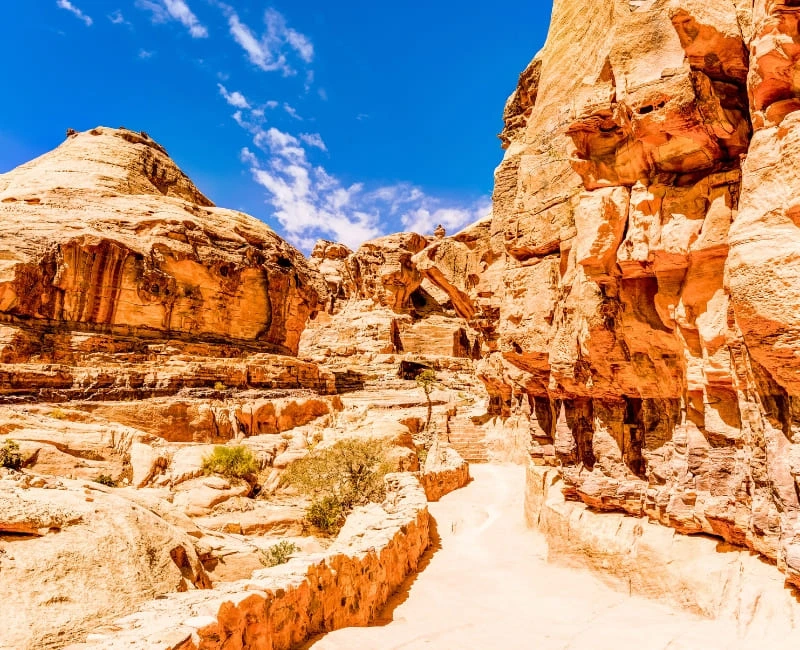
Petra, the UNESCO World Heritage Site often called the Rose-Red City, stands as Jordan’s crown jewel. Carved into sandstone cliffs by the Nabataeans over 2,000 years ago, Petra reveals a civilization’s artistic mastery and strategic prowess. The journey begins at the Siq, a narrow gorge flanked by towering walls that gradually unveil glimpses of ornate facades. As you walk through this natural gateway, anticipation builds until the Treasury (Al-Khazneh) emerges in a surge of ochre hues. The Treasury’s intricate carvings pay homage to deities and display Hellenistic influences. Exploring further, you encounter the Street of Facades—rock-cut tombs with elaborate designs—testament to Petra’s funerary traditions.Beyond the central area, the Monastery (Ad-Deir) offers a rewarding hike: a climb of several hundred steps leads to a vast facade overlooking a broad valley, ideal for sunrise or sunset visits when light accentuates the rose-red stone. The Royal Tombs and the Byzantine Church with its well-preserved mosaics reveal layers of history. For the adventurous, trails such as the High Place of Sacrifice provide panoramic views across Wadi Araba and beyond. Engage a certified local guide to illuminate Petra’s water management systems, trade network significance, and daily life of its inhabitants. Overnight experiences include Petra by Night: walking the Siq lit by candles en route to the Treasury, accompanied by Bedouin music—an atmospheric ritual linking past and present.To make the most of your visit, plan early arrival to avoid midday crowds and heat. Comfortable walking shoes, sun protection, and water are essential. Nearby Petra hotels offer accommodations ranging from luxury lodges to boutique camps in Wadi Musa. Culinary options around Petra feature Jordanian staples—mansaf, mezze platters, and sweet treats like baklava. Combine Petra with other sites: the desert of Wadi Rum, the Dead Sea’s relaxation, or Amman’s modern comforts. This guide ensures you experience Petra not as a fleeting stop but as an immersive journey into ancient ingenuity and enduring mystery.
Amman’s Heritage and Urban Pulse

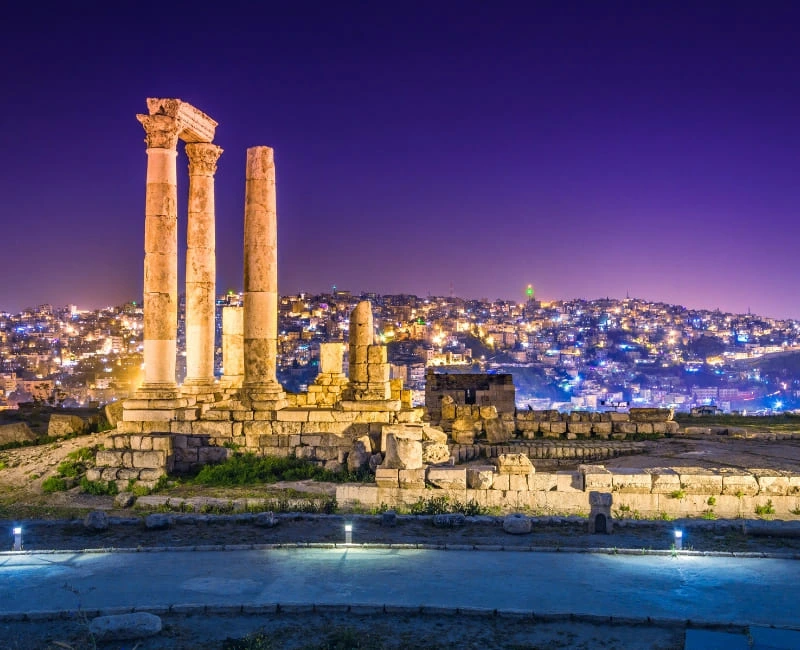
Amman, Jordan’s capital, melds ancient ruins with modern vibrancy. Perched on seven hills, the city’s skyline mixes whitewashed buildings, minarets, and remnants of past empires. Start at the Citadel on Jabal al-Qal’a: the Temple of Hercules and Umayyad Palace overlook the city, offering panoramic views. Nearby, the Jordan Archaeological Museum houses artifacts that trace the region’s history from prehistoric eras through Byzantine and Islamic periods. Descend to the Roman Theatre in downtown Amman, an impressively preserved amphitheater where cultural events still occur.Stroll through Al-Balad, the old downtown district, where narrow streets bustle with vendors selling spices, olives, and sweets. Savor falafel sandwiches at local stalls and sip Arabic coffee in traditional cafés. Visit the Jordan Museum to explore interactive exhibits on heritage and archaeology. For contemporary culture, explore Rainbow Street, lined with galleries, boutiques, and eateries serving fusion cuisine and Arabic classics. Evenings here come alive with live music, street performances, and artisan markets. Amman’s culinary scene extends to fine dining, rooftop lounges, and family-run restaurants offering mansaf or seafood dishes.Cultural immersion continues with visits to art galleries showcasing Jordanian artists, workshops in handicrafts, and evenings at the Royal Cultural Center if performances align with your stay. Coffee culture is strong: try specialty coffee shops that roast beans locally. Day trips from Amman include Jerash’s Greco-Roman ruins, a short drive north. Jerash hosts festivals featuring musical performances within the ancient hippodrome. Amman also serves as a base to sample Jordanian wine in the Madaba region or hike in Ajloun Forest Reserve. Despite being a capital, Amman retains a relaxed pace: friendly locals welcome conversation, sharing insights into daily life. Efficient transport options include taxis and ride-hailing apps, though exploring on foot in neighborhoods often reveals hidden gems.By combining heritage exploration with urban experiences—cafés, galleries, nightlife—Amman becomes more than a transit point. It’s a place to understand modern Jordanian society, blending tradition and innovation. Plan visits to coincide with cultural events or seasonal markets for deeper engagement. This guide equips you to navigate Amman’s contrasts, ensuring that every corner visited reveals layers of history and contemporary culture, making your time in Jordan’s capital enriching and memorable.
Wadi Rum: The Valley of the Moon

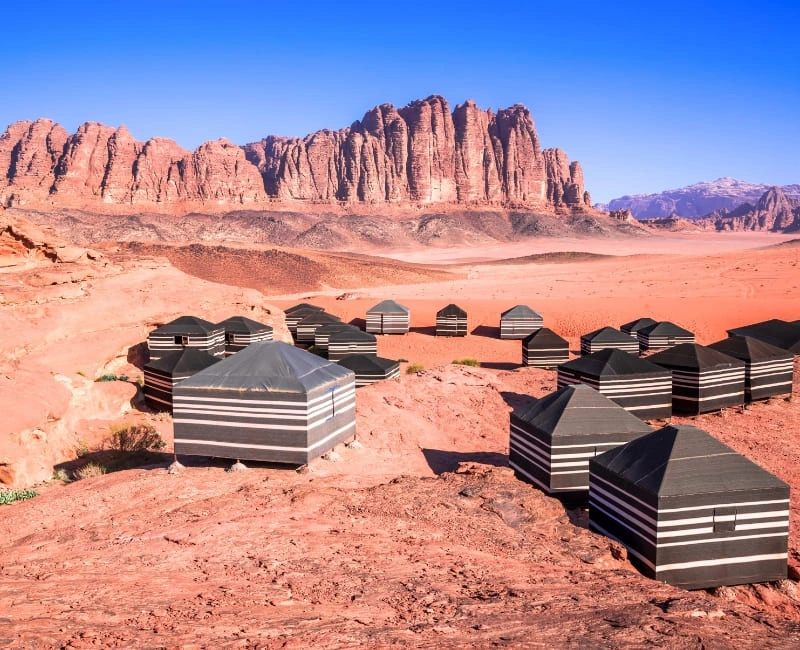
Wadi Rum’s vast desert landscape, known as the Valley of the Moon, offers a dramatic backdrop for adventure seekers and nature enthusiasts. Its sandstone and granite cliffs, sculpted by wind and water, create canyons, arches, and dunes that evoke an otherworldly ambiance. Exploring Wadi Rum typically begins with a 4x4 jeep safari led by Bedouin guides who navigate sandy tracks to remote vistas. These guides share stories of the desert’s geology, Bedouin traditions, and its role in Lawrence of Arabia’s travels.For those seeking active experiences, options include camel treks across shifting sands, rock climbing on massive rock faces, and hiking to viewpoints such as Burdah Rock Bridge or Jebel Umm ad Dami, Jordan’s highest peak, offering sunrise panoramas. Unique to Wadi Rum are overnight stays in desert camps: from comfortable glamping tents with ensuite facilities to traditional Bedouin-style tents. Nights here reveal a magnificent sky: with minimal light pollution, stargazing becomes a highlight, often guided by Bedouin hosts who identify constellations and share folklore. Camp meals feature hearty stews cooked in underground ovens (zarb), offering an authentic taste of Bedouin hospitality.Seasonal considerations matter: spring brings blooming desert flora, while cooler winter nights can be brisk. Bring appropriate clothing layers, sturdy footwear, sun protection, and ample water. Photography opportunities abound: sunrise and sunset cast warm hues on rock faces; night photography captures star trails against desert silhouettes. For multi-day itineraries, combine Wadi Rum with visits to nearby Aqaba or Petra. Responsible tourism practices in Wadi Rum ensure minimal impact: following marked trails when available, using reusable water containers, and supporting Bedouin-operated camps. Many tour operators collaborate directly with local communities to ensure revenue benefits remain local.Wadi Rum’s appeal extends beyond adventure: its serene expanses invite reflection, offering a chance to disconnect from modern distractions. Whether you’re drawn by adrenaline-fueled activities or by the desire to witness a timeless landscape, Wadi Rum delivers a transformative desert experience. This guide equips you with planning tips, activity options, and cultural insights to make your Wadi Rum journey safe, respectful, and unforgettable.

Aqaba & Red Sea Diving

Aqaba, Jordan’s coastal gateway to the Red Sea, presents a compelling mix of underwater wonders and beachside leisure. This small port city boasts coral reefs teeming with marine life, making it a sought-after dive destination in the Middle East. Certified divers can explore diverse dive sites: wrecks such as the Cedar Pride, vibrant coral gardens, and encounters with tropical fish species. Dive centers in Aqaba adhere to international safety standards, offering guided dives, equipment rental, and courses for beginners. Snorkelers also enjoy clear waters and accessible reef sections close to shore.Beyond diving, Aqaba’s beaches offer sunbathing, paddleboarding, and boat excursions, including glass-bottom boat tours for non-divers to glimpse coral formations. Sunset dhow cruises provide a romantic perspective of the coastline. Aqaba’s compact city center features markets where local vendors sell seafood, spices, and handicrafts. Sample freshly caught fish grilled with Mediterranean spices or enjoy a seafood feast at waterfront restaurants, with prices shown in British pounds for clarity when booking. For families, beach resorts provide kid-friendly amenities, pools, and supervised activities.Combining Aqaba with inland adventures enhances your Jordan itinerary: easily travel north to Wadi Rum or Petra. Aqaba’s airport (AQJ) offers some international connections, making it a convenient entry or exit point. Seasonal considerations: diving is possible year-round, though water temperatures vary; spring and autumn offer comfortable sea temperatures. Responsible marine tourism is emphasized: choose dive operators engaged in reef conservation, avoid touching coral, and support local environmental initiatives. Day trips include visiting Wadi Rum camps or the Dana Biosphere Reserve for hiking.Aqaba’s mix of adventure and relaxation caters to diverse travelers: whether you seek underwater exploration, beach downtime, or cultural encounters in the market, this Red Sea jewel enriches any Jordan holiday. Plan lodging according to your focus—dive resorts near the marina or boutique hotels in the city center—and coordinate dive bookings in advance to secure preferred dive sites. This guide ensures you maximize Aqaba’s marine and coastal offerings, creating a balanced and memorable seaside experience within your broader Jordan itinerary.

Destination

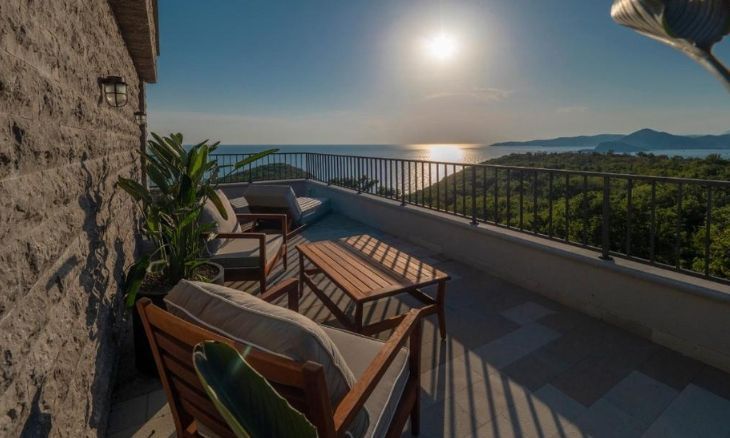
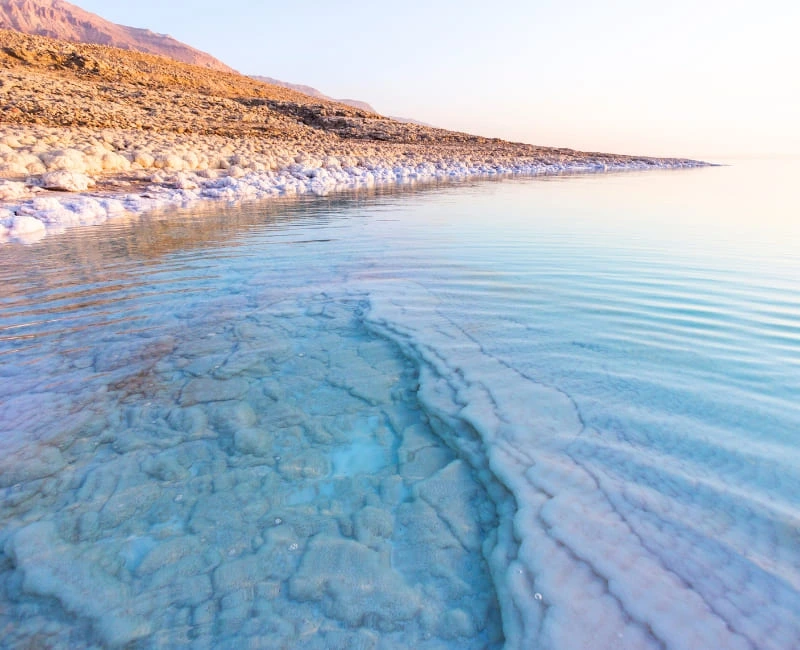
The Dead Sea, the Earth’s lowest land elevation, offers a singular wellness experience. Its hypersaline waters allow effortless floating, and its mineral-rich mud is acclaimed for skincare benefits. Dead Sea resorts line the western shore, providing luxury spa facilities, therapeutic pools, and treatment packages harnessing salts and mud. Begin with a saltwater float: the sensation of buoyancy is both novel and relaxing, often followed by a mud scrub or mask applied under expert guidance. These treatments aim to soothe skin conditions, relieve muscle tension, and promote relaxation.Spa programs may include massages, aromatherapy, and guided relaxation sessions overlooking the scenic valley. Many resorts offer sunrise or sunset yoga and meditation on terraces facing the water. Accommodation ranges from five-star hotels with full-service spas to boutique lodges offering more intimate settings. Dining at Dead Sea resorts features healthy cuisine options: salads with local produce, lean proteins, and juices promoting hydration. Packages can be customized: combine multiple-day spa regimens with short excursions to nearby sites such as Mount Nebo or Madaba for cultural balance.Environmental awareness is integral: the Dead Sea region faces challenges like receding water levels. Some resorts participate in conservation efforts or use sustainable practices. Visitors can learn about local initiatives during their stay. Seasonal timing matters: spring and autumn offer moderate temperatures ideal for outdoor treatments; summers can be very hot in midday, so early-morning spa sessions are advisable. Evenings are pleasant for outdoor dining or relaxation by the water.Travel logistics: Madaba area serves as a common base for Dead Sea visits, with easy road access. Transport arrangements via private transfer or rental cars ensure comfort. Visitors should bring appropriate swimwear that can handle mineral-rich water, sandals, and sun protection. Many resorts provide facilities to rinse off salt after floating. This guide helps you select the right resort, plan treatment schedules, and balance wellness with light exploration, making your Dead Sea retreat a rejuvenating highlight of your Jordan holiday.

Dead Sea Retreats

Discover world-famous destinations that continue to captivate travelers with their iconic landmarks, rich history, and vibrant cultures. These popular spots offer well-developed tourism infrastructure, diverse accommodation options, and countless activities for every type of traveler. While these destinations attract millions of visitors annually, they maintain their unique charm and continue to offer new experiences even for repeat visitors seeking to uncover hidden layers beyond the main attractions.

Hotel

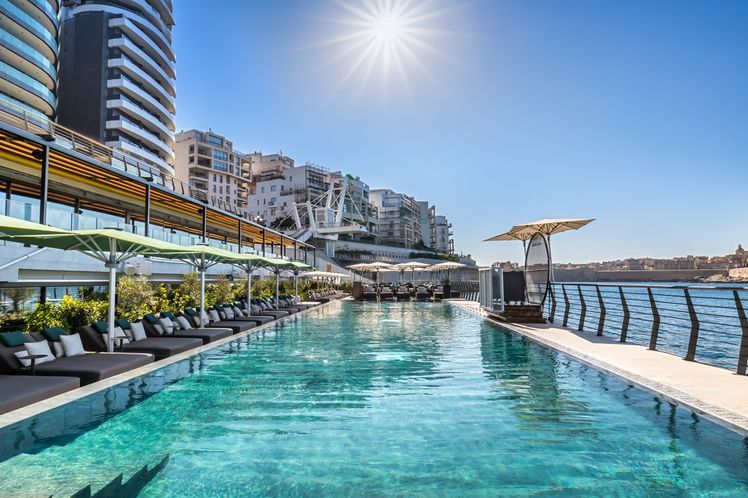
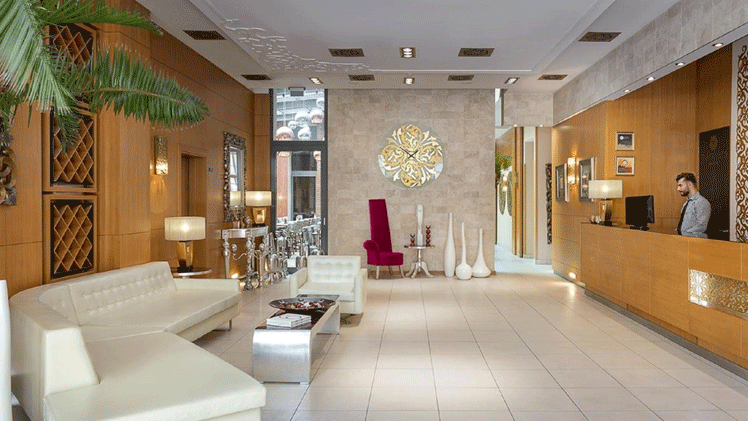
Indulge in premium accommodation options that offer exceptional service, world-class amenities, and exquisite dining experiences. Luxury hotels provide personalized attention, sophisticated design, and exclusive facilities that transform your stay into a memorable journey. From five-star city hotels to boutique resorts in exotic locations, these properties prioritize guest comfort and satisfaction while offering unique local experiences and impeccable hospitality standards.

Hotel

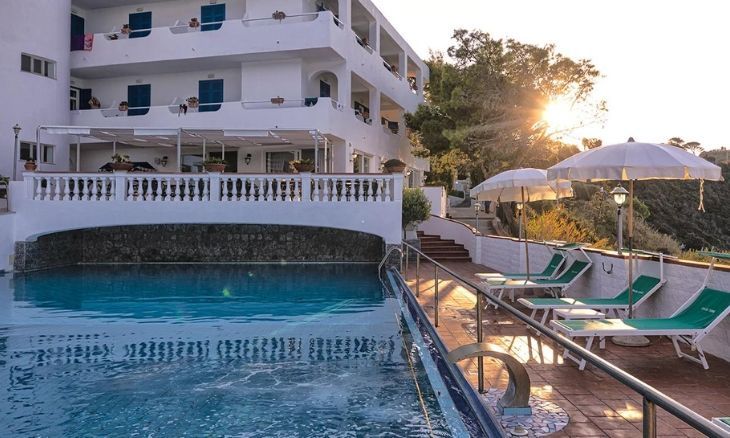
Find comfortable and affordable lodging options that don't compromise on quality or experience. Budget hotels, hostels, and guesthouses offer excellent value for money while providing clean, safe accommodations in convenient locations. Many budget options feature communal spaces that encourage social interaction, local recommendations from knowledgeable staff, and authentic experiences that allow travelers to stretch their budget further while exploring new destinations.

Join our newsletter
Subscribe to see secret deals prices drop the moment you sign up!

No ads. No trails. No commitments