
Kenya

Kenya

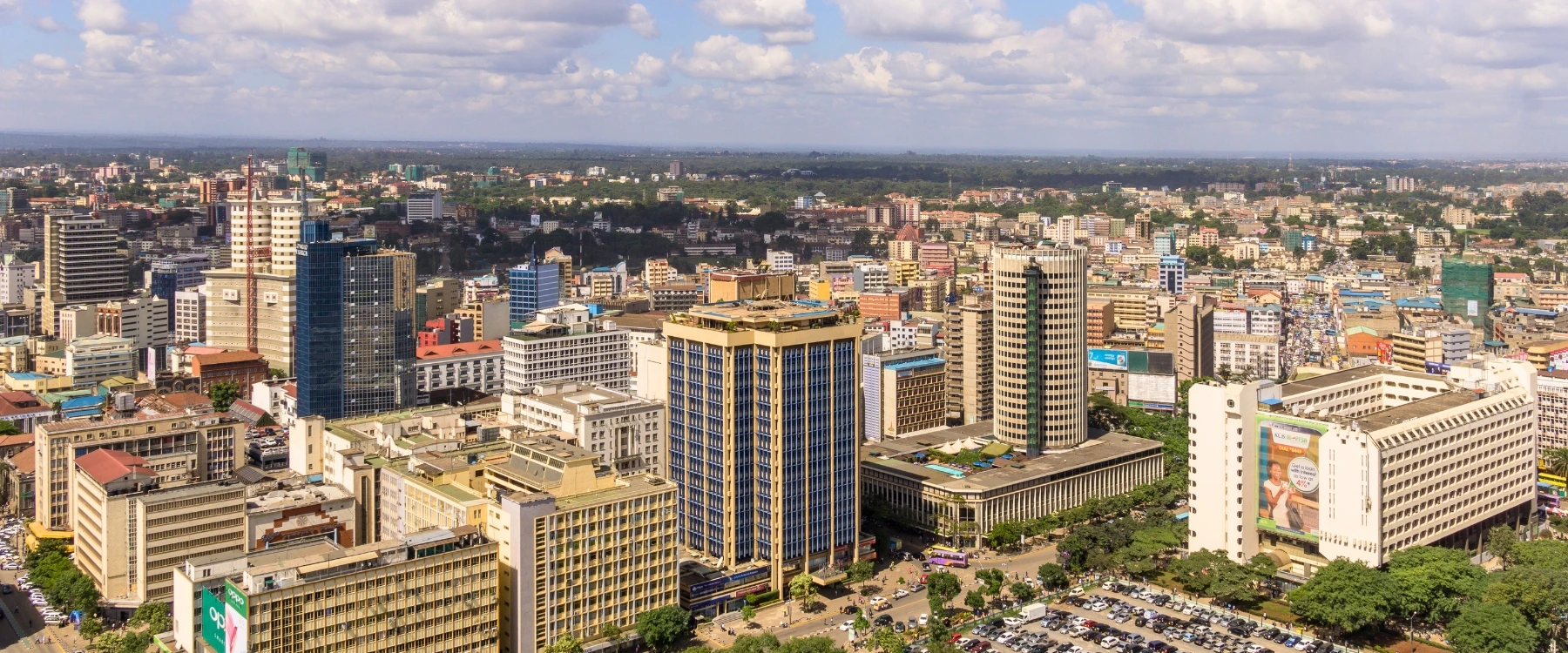
Kenya, often regarded as the quintessential African safari destination, captivates travelers with its dramatic landscapes, abundant wildlife, vibrant cultures, and pristine coastlines. Spanning from the snow-capped peaks of Mount Kenya to the golden beaches along the Indian Ocean, the country offers an unparalleled tapestry of experiences. As Africa’s leading tourist destination, Kenya’s tourism contributes significantly to foreign exchange revenue and supports numerous communities through ecotourism initiatives . Visitors flock to witness the Great Migration in the Maasai Mara, explore the vast Tsavo parks, and relax on the white-sand beaches of Diani and Watamu. Beyond wildlife, the country’s landscapes range from the Great Rift Valley escarpments to lush highland tea plantations, offering scenic diversity within relatively short travel distances .Safaris remain the centerpiece of Kenya travel. The opportunity to spot the “Big Five”—lion, elephant, buffalo, leopard, and rhinoceros—draws wildlife enthusiasts from around the globe. National parks and reserves such as Maasai Mara, Amboseli, Tsavo East and West, Samburu, and Ol Pejeta Conservancy provide habitat for these iconic species, alongside cheetahs, giraffes, hippos, and a myriad of birdlife. Kenya’s conservation efforts, including community-run conservancies like Namunyak and Reteti Elephant Sanctuary, enable sustainable tourism and local empowerment .Cultural immersion complements wildlife viewing. With over 40 ethnic groups, including Maasai, Samburu, Kikuyu, and Luo, travelers can engage in authentic experiences: visiting Maasai homesteads, participating in traditional dances, and learning about age-old customs. Urban centers like Nairobi and Mombasa blend modernity with tradition. Nairobi’s dynamic arts scene, bustling markets, and cosmopolitan dining coexist with nearby attractions such as the Giraffe Centre and elephant orphanages. Mombasa’s historic Old Town reflects Swahili heritage, spice trade influences, and coastal culture framed by coral stone architecture.Kenya’s coast, stretching from Lamu through Malindi to Diani and farther south, offers idyllic beach escapes. Crystal-clear waters teem with coral reefs, ideal for snorkeling, diving, and deep-sea fishing. Islands such as Lamu, recognized as a UNESCO World Heritage site, enchant with narrow streets, dhow sails, and Swahili architecture. Coastal cuisine—fresh seafood, coconut-infused dishes, and Swahili spices—enhances the sensory journey .Adventure extends beyond game drives and beach lounging. The highlands around Mount Kenya and Aberdare Range provide trekking and hiking challenges, while Hell’s Gate National Park near Nairobi offers rock climbing, cycling among wildlife, and geothermal scenery. Hot-air balloon safaris at dawn over the Maasai Mara present a unique vantage point for wildlife photography. For birdwatchers, Kenya ranks among the world’s top destinations, hosting migratory and endemic species across varied habitats.Climate in Kenya varies by region but generally features warm weather year-round, tempered by altitude in highland areas. Two rainy seasons—March to May (long rains) and September to October (short rains)—influence travel planning; the dry seasons (June to October and December to February) offer the best wildlife-viewing opportunities, although coastal regions remain pleasant year-round . Infrastructure for tourism is well-developed, with international and domestic flight connectivity, paved highways linking major parks, and a wide range of accommodation from luxury lodges to budget camps.In summary, Kenya’s blend of iconic wildlife safaris, rich cultural encounters, diverse landscapes, and inviting coastlines make it a must-visit destination. Whether seeking the thrill of spotting the Big Five, immersive cultural exchanges with local tribes, adrenaline-pumping adventures, or serene beach relaxation, Kenya delivers an unforgettable journey.

Travila Kenya Travel Guide

What to know before Travelleing

Paris is known around the world as the “capital of love,” and even if you don't understand the history of Paris at all

Language: Swahili, English
Peak Season: June to October and December to February
Time Zone: UTC+3
Currency: Kenyan Shilling (KES)
Travila

9 Hours

Average Flight Time

£2.02

Price Of Pint
Transport
Best time to visit
Safari in Maasai Mara

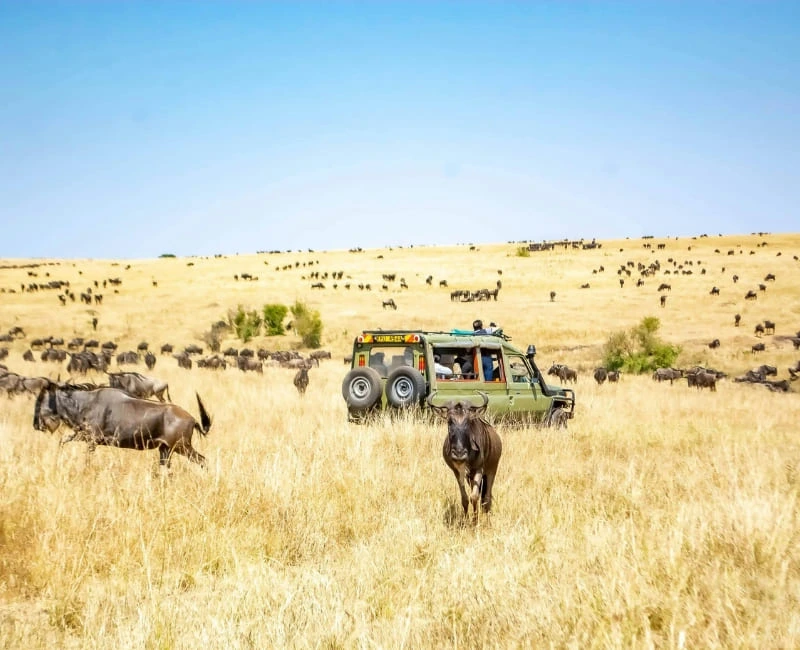
Kenya’s Maasai Mara National Reserve, covering over 1,500 km² of rolling savannah and riverine woodland, stands as Africa’s preeminent safari destination. The reserve plays host to the Great Migration from July through October, when more than a million wildebeest and hundreds of thousands of zebra trek northward from Tanzania’s Serengeti, braving crocodile-choked river crossings and leopard-patrolled banks. Experiencing this living spectacle—from riverbank vantage points or open-roof game vehicles—ranks among the planet’s most unforgettable wildlife encounters.Yet Maasai Mara isn’t a seasonal showpiece alone: year-round, the Mara offers consistent sightings of the “Big Five.” Early morning and late afternoon game drives reveal prides of lions lounging beneath acacia trees, bull elephants fording seasonal rivers, cape buffalo herds grazing on golden grass, elusive leopards dozing on branches, and both black and white rhino in conservation zones. Expert local guides—often from Maasai communities—interpret spoor, animal vocalizations, and herd dynamics, enriching each drive with ecological context and Maasai cultural perspectives.For a uniquely tranquil viewpoint, hot-air balloon safaris lift off at dawn, gliding silently above plains blanketed in mist. After landings on riverbanks, guests enjoy a gourmet bush breakfast complete with fresh fruits, pastries, and Kenyan coffee under acacia canopies. Accommodation spans luxury tented camps with plunge pools and butler service, eco-lodge retreats crafted from sustainable materials, and community-owned camps where tourism revenue directly benefits local schools and healthcare programs. Many operators embed anti-poaching patrol experiences or visits to wildlife monitoring stations into their itineraries, allowing travelers to witness firsthand the conservation efforts that protect Mara’s biodiversity.Birdlife abounds: raptors like martial eagles and bateleurs wheel overhead, while ground-dwelling species such as ostriches and kori bustards roam open plains. Photographers prize the Mara’s “golden hour” light—when the sun’s low angle casts dramatic shadows and illuminates tawny coats. Night under the Mara sky, unpolluted by city lights, reveals a canopy of stars that underscores the wilderness’s raw beauty.Visiting Maasai Mara offers more than a photo tour—it’s an immersive journey into Africa’s heart, blending wildlife spectacle, cultural exchange with Maasai communities, and active support for ongoing conservation initiatives.
Conservancies & Community Safaris

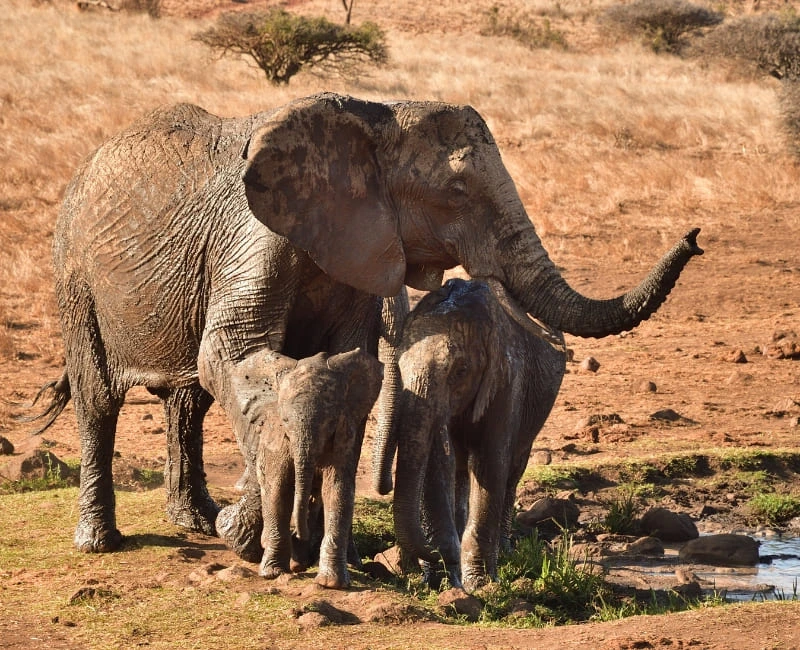
Beyond Kenya’s national parks, private and community conservancies deliver more intimate and conservation-focused safari experiences. Situated adjacent to reserves such as Tsavo East, Amboseli, Laikipia, and Samburu, these conservancies—like Ol Kinyei, Mara North, Namunyak, and Lewa Wildlife Conservancy—protect wildlife corridors and support local landowners, marrying habitat preservation with community livelihoods.Conservancy safaris typically operate off-road game drives, unrestricted by the track networks found in national parks. This flexibility allows vehicles to follow game trails, resulting in close-up observations of predator-prey interactions, nocturnal species on specialized night drives, and guided walking safaris that reveal smaller biodiversity, medicinal plants, and insect life invisible from vehicles. Guest participation in conservation activities—such as tracking GPS-collared elephants, assisting rhino population censuses, or accompanying anti-poaching units—offers hands-on insights into wildlife management and protection strategies.Many conservancies are owned or co-managed by local pastoralist communities. Visiting these areas supports revenue-sharing models that fund education, healthcare, and infrastructure for Maasai, Samburu, and Rendille villages. Cultural extensions—village homestays, beadwork workshops, and traditional dancing demonstrations—foster meaningful engagement and ensure that tourism benefits reach the grassroots.Accommodations in conservancies range from minimalist luxury tented camps—with elevated walkways, solar-power lighting, and private decks—to eco-lodge estates built with locally sourced timber and stone. Birders prize wetlands and riparian corridors for rare sightings such as the secretive Pel’s fishing owl, colorful bee-eaters, and migratory waterfowl. Photographers benefit from fewer vehicles, resulting in unobstructed sightlines and dynamic compositions.Choosing a conservancy safari underscores a commitment to sustainable tourism: knowing your stay funds grassroots conservation and community development. It also provides a personalized safari—unhurried, educational, and authentically Kenyan, weaving together wildlife encounters, ecological stewardship, and cultural solidarity.
Maasai & Samburu Cultural Immersion

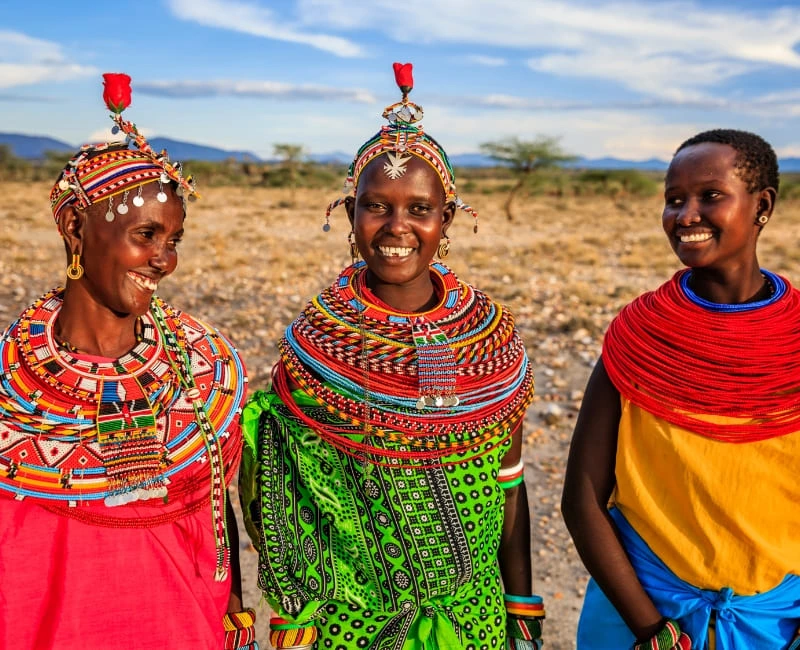
Kenya’s cultural tapestry is woven from centuries-old traditions, and few experiences are as enriching as an immersive visit to the Maasai and Samburu communities. The Maasai—recognizable by their red shúkà cloth, elaborate beadwork, and semi-nomadic pastoral lifestyle—extend warm welcomes through cultural tourism initiatives that prioritize respect and community benefit.A typical Maasai village (enkang) visit begins with a boma tour, guided by local elders, highlighting the construction of cattle kraals, medicinal plant gardens, and traditional homesteads made from mud, sticks, and cow dung. Guests learn to prepare ugali (maize porridge), sample fermented milk (mursik), and participate in adumu—the famous Maasai jumping dance—while understanding its social and historical significance. Storytelling circles around evening fires convey folklore, clan histories, and cosmological beliefs that link wildlife stewardship to spiritual values.In northern counties, the Samburu share parallel yet distinct customs: showcasing multi-layered beaded necklaces, ornately braided hair, and the art of spearing goats—a rite of passage symbolizing bravery. Village walks introduce guests to chirping weaver nests, sacred watering holes, and age-set hierarchies that govern social structures. Interactive workshops on bead crafting allow travelers to create their own bracelets while contributing to micro-enterprise finances.Responsible tourism operators emphasize ethical guidelines: obtaining consent before photography, compensating hosts fairly, and ensuring that cultural demonstrations remain authentic rather than commodified. Proceeds fund local clinics, schools, and water borehole projects.Urban cultural experiences in Nairobi and Mombasa complement village immersion: visits to the Kenya National Archives, Nairobi’s Village Market, and Fort Jesus reveal colonial histories and contemporary artistic expressions. Swahili-style tours in Lamu Old Town transport travelers through coral stone alleyways, dhow-building yards, and centuries-old mosques.By engaging with Kenya’s indigenous custodians—Maasai and Samburu—travelers gain profound insights into human-wildlife coexistence, resilience in semi-arid landscapes, and the vibrant living heritage that underpins Kenya’s conservation ethos.

Culinary Journeys & Local Flavors

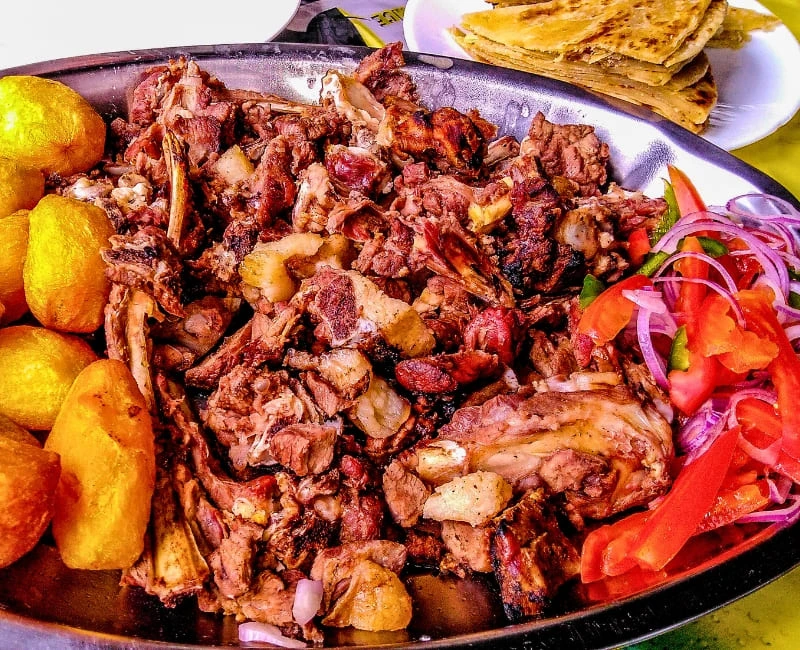
Kenyan cuisine is a vibrant fusion of indigenous staples, Swahili coast spices, and evolving urban tastes. Embark on a culinary journey that begins in Nairobi’s street-food alleys, where sizzling nyama choma (charcoal-grilled meat) draws locals and visitors alike. Nearby markets, such as the City Market and Maasai Market, overflow with fresh produce—avocados, mangoes, sukuma wiki (collard greens), and locally reared nyama (goat, beef, chicken)—providing inspiration for both home cooks and foodies.In the capital’s Karen and Westlands neighborhoods, acclaimed restaurants blend global techniques with African ingredients—think coconut fish curry infused with Swahili spices or fusion tapas featuring ugali arancini. For hands-on experience, join a cooking class at a homestead outside Nairobi: harvest heirloom vegetables, grind spices by mortar and pestle, and master the art of making chapati and mandazi (fried dough)—all while learning about the communal role of food in Kenyan society.Travel the coastal corridor to Mombasa, Malindi, and Diani to discover coconut-based delicacies. Savor pilau rice stewed in fragrant masala, belek (rice with vegetables and meat), and rare Swahili breads like bhajia (bean fritters) and mkate wa sinia. Join a spice farm tour on Pemba Island or the Shimba Hills, tracing the journeys of cloves, cinnamon, and cardamom from plant to plate, and end with a tasting session of fresh coconut water and spiced tea.Highland tea estates in Kericho and Nandi offer behind-the-scenes tours through endless green terraces. Learn about plucking, withering, rolling, and oxidation processes that yield Kenya’s world-class black teas—then sip the brew alongside mandazi at a plantation café overlooking misty hills. Coffee aficionados can explore estates around Mount Kenya and Aberdare, witnessing bean drying rituals and sampling freshly roasted beans paired with artisan chocolates.For a modern twist, Nairobi’s burgeoning craft brewery scene experiments with sorghum and millet, while cafés on Lamu Island serve unique infusions of local herbs. End your culinary odyssey at a charity-run café or social enterprise restaurant, where profits support youth training programs and sustainable agriculture projects.This gastronomic exploration transcends mere tasting—it forges connections between land and table, between farmers and chefs, and between travellers and host communities, ensuring that every bite contributes to Kenya’s rich cultural and economic fabric.

Destination

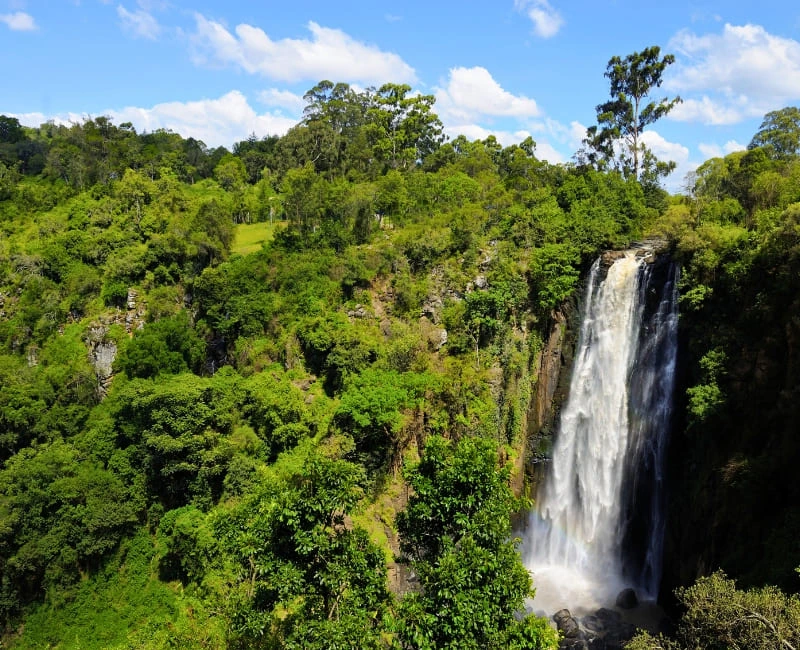
Kenya’s mountainous regions offer thrilling adventures beyond its iconic savannahs. Mount Kenya, Africa’s second-highest peak at 5,199 m, boasts multiple trekking routes—Sirimon, Naro Moru, and Chogoria—catering to a range of skill levels. Trekkers typically spend three to five days ascending through diverse ecological zones: deep montane forests alive with elephants and buffalo, bamboo zones echoing with birdcalls, heath-and-moorland scented by lobelias, and the stark alpine desert speckled with glaciers. Experienced mountaineers can tackle steep rock sections toward the twin summits of Batian and Nelion, while less technical routes lead to Point Lenana (4,985 m), rewarding climbers with spectacular sunrises over the Mau Escarpment.The Aberdare Range—characterized by mist-clad forests, bamboo thickets, and moorlands—invites day hikes along Karuru Falls and Chania Falls, or multi-day expeditions to bases like Treetops, where early visits might spot elephants grazing on hotel lawns. Wildlife enthusiasts may glimpse rhino, bushbuck, and a multitude of primate species within conservation areas.Hell’s Gate National Park, just 90 km from Nairobi, offers rock climbing, caving, and zip-lining amid dramatic cliffs and geothermal landscapes. The park’s network of trails allows cycling alongside free-roaming giraffes, zebras, and buffalo on a secured corridor—a rare blend of adrenaline and wildlife immersion.Water adventurers journey to Tana River for white-water rafting through gorges, rapids, and palm-lined banks, while Lake Naivasha’s tranquil waters invite kayaking past hippo pods and bird nesting sites. For paragliding enthusiasts, Rift Valley escarpments near Hells Gate provide reliable thermals and sweeping vistas.Guided multi-day excursions combine camping under starry skies, mountain-side bonfires, and expert-led interpretation of equatorial glaciers, which—though retreating—offer scientific insights into climate change. Whether you seek the challenge of high-altitude trekking, the thrill of cycling among wildlife, or the serenity of paddling through still waters, Kenya’s mountains deliver an active adventure that complements its famed safari experiences.

Trekking & Mountain Adventures

Discover world-famous destinations that continue to captivate travelers with their iconic landmarks, rich history, and vibrant cultures. These popular spots offer well-developed tourism infrastructure, diverse accommodation options, and countless activities for every type of traveler. While these destinations attract millions of visitors annually, they maintain their unique charm and continue to offer new experiences even for repeat visitors seeking to uncover hidden layers beyond the main attractions.

Hotel

Indulge in premium accommodation options that offer exceptional service, world-class amenities, and exquisite dining experiences. Luxury hotels provide personalized attention, sophisticated design, and exclusive facilities that transform your stay into a memorable journey. From five-star city hotels to boutique resorts in exotic locations, these properties prioritize guest comfort and satisfaction while offering unique local experiences and impeccable hospitality standards.

Hotel

Find comfortable and affordable lodging options that don't compromise on quality or experience. Budget hotels, hostels, and guesthouses offer excellent value for money while providing clean, safe accommodations in convenient locations. Many budget options feature communal spaces that encourage social interaction, local recommendations from knowledgeable staff, and authentic experiences that allow travelers to stretch their budget further while exploring new destinations.

Join our newsletter
Subscribe to see secret deals prices drop the moment you sign up!

No ads. No trails. No commitments