

 Krakow Travel Guide


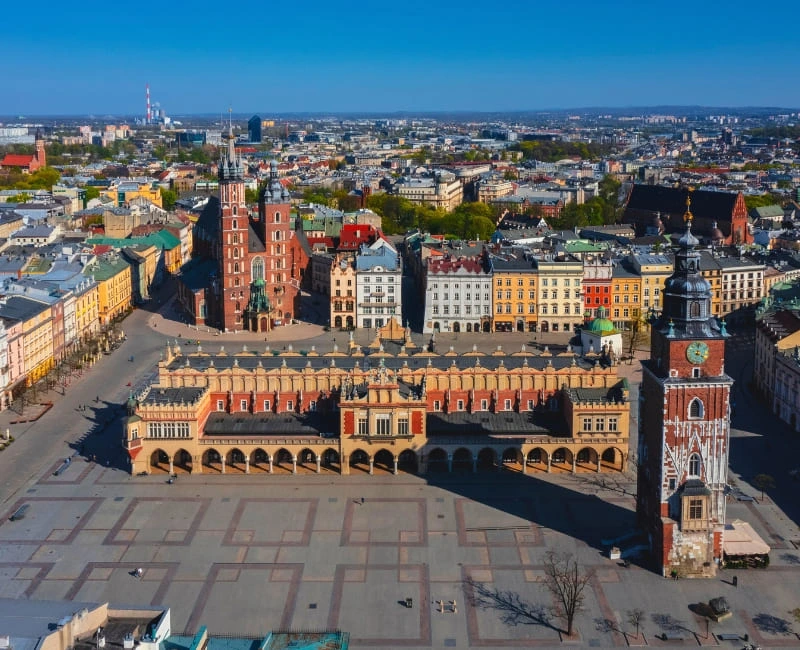
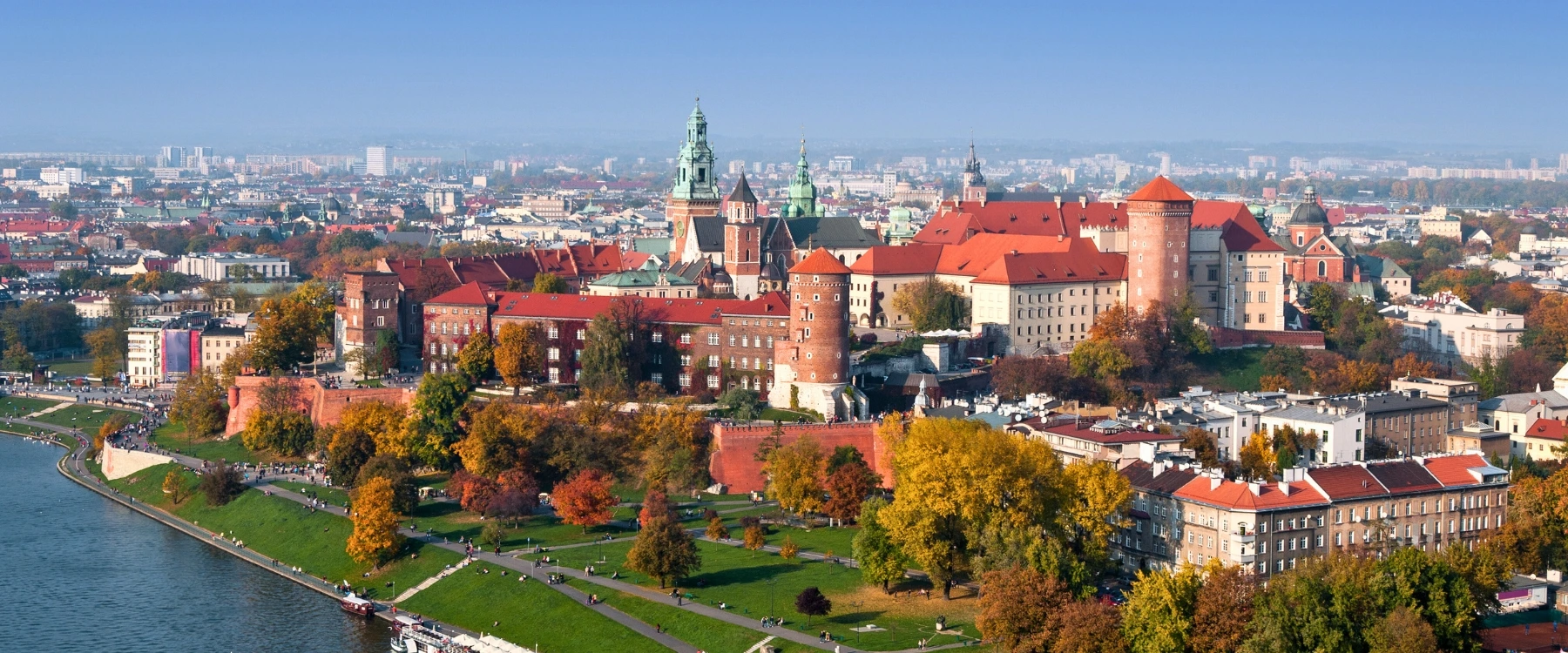
Krakow’s Old Town is a mesmerizing journey into the past. At its heart lies the Main Market Square (Rynek Główny), one of the largest medieval squares in Europe, surrounded by charming townhouses, cozy cafés, and historic landmarks. Dominating the square is St. Mary’s Basilica, known for its iconic twin towers and the hourly trumpet call (hejnał mariacki), played from the highest tower in memory of a 13th-century trumpeter shot during a Tatar invasion. A stroll through the Old Town reveals a tapestry of Gothic, Baroque, and Renaissance architecture. The Cloth Hall (Sukiennice), once a major center of international trade, now hosts market stalls with handmade crafts and souvenirs. Beneath it lies an underground museum that presents Krakow’s layered history through archaeological remains and interactive exhibits. Walking further, you'll encounter the mighty Wawel Castle, perched above the Vistula River. Once the residence of Polish monarchs, this royal complex includes Wawel Cathedral, a national sanctuary where kings were crowned and buried. Exploring its chambers, armories, and the famous Dragon’s Den makes it easy to imagine Krakow’s regal past. The Planty Park, which encircles the Old Town where the medieval walls once stood, offers a peaceful green belt dotted with statues, benches, and fountains—ideal for a restful moment between sightseeing. For a panoramic view of the city, climb the Town Hall Tower or enjoy a horse-drawn carriage ride across the cobbled square for a touch of old-world romance. Old Town Krakow isn’t just a relic of history—it’s a living, breathing hub of culture, artistry, and community. Whether you're enjoying a concert in a centuries-old church or sipping coffee on a café terrace, every moment feels part of a grand, timeless narrative.
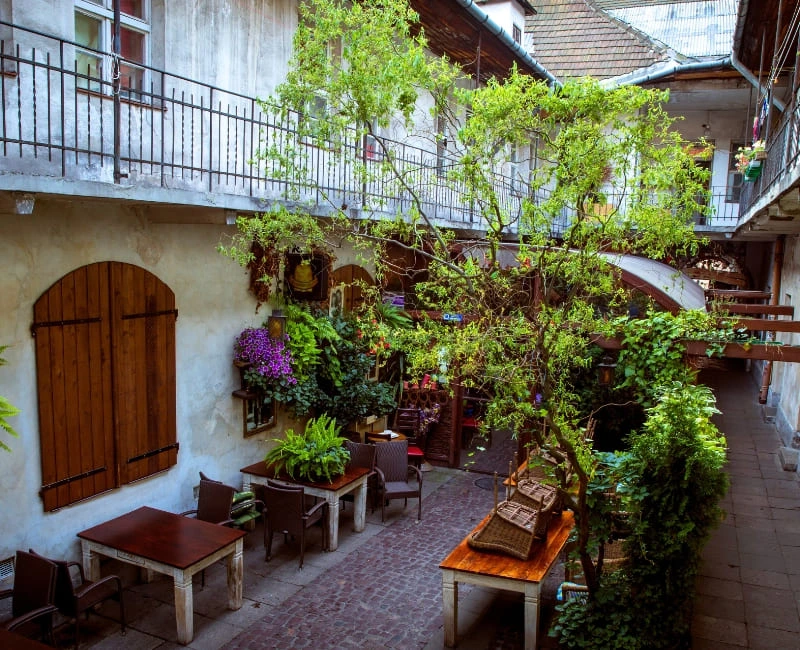
Kazimierz, Krakow’s historic Jewish Quarter, is a district of emotional depth, vibrant culture, and inspiring transformation. Located just south of the Old Town, Kazimierz was once an independent town and for centuries served as the heart of Jewish life in Poland. Today, it stands as both a memorial to the past and a testament to the resilience and creativity of its community. The district is home to several historic synagogues, including the Old Synagogue, dating back to the 15th century, now functioning as a Jewish museum. The Remuh Synagogue and its adjacent cemetery offer insight into centuries of religious life and persecution. Walking tours guide visitors through these landmarks and recount the stories of Jewish scholars, merchants, and artists who once flourished here. Kazimierz was significantly impacted during WWII, and reminders of the Holocaust are thoughtfully preserved, including memorials and plaques. Across the Vistula River, in the Podgórze district, lies the site of the former Krakow Ghetto and the powerful Oskar Schindler Factory Museum, which chronicles the Nazi occupation and the heroic acts of individuals like Schindler who saved over 1,000 Jews. Despite its heavy history, Kazimierz is now one of Krakow’s most dynamic neighborhoods. Bohemian and artistic, it’s filled with hip cafés, boutique stores, vintage markets, and graffiti-covered alleys that celebrate free expression. Plac Nowy, the central square, is famous for its food stalls, especially the zapiekanka—a delicious open-faced baguette covered in cheese, mushrooms, and other toppings. Kazimierz is not just a district; it’s an experience. A place where reverence meets rejuvenation, where you can attend a klezmer music concert one evening and browse contemporary art galleries the next. It’s Krakow’s soul, and a visit here lingers in the heart long after you leave.