

 Lisbon Travel Guide


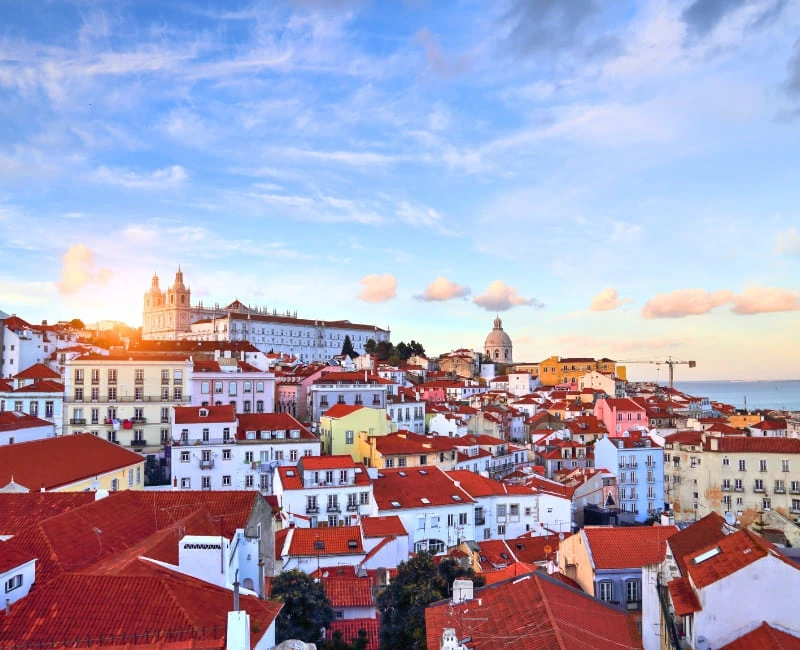
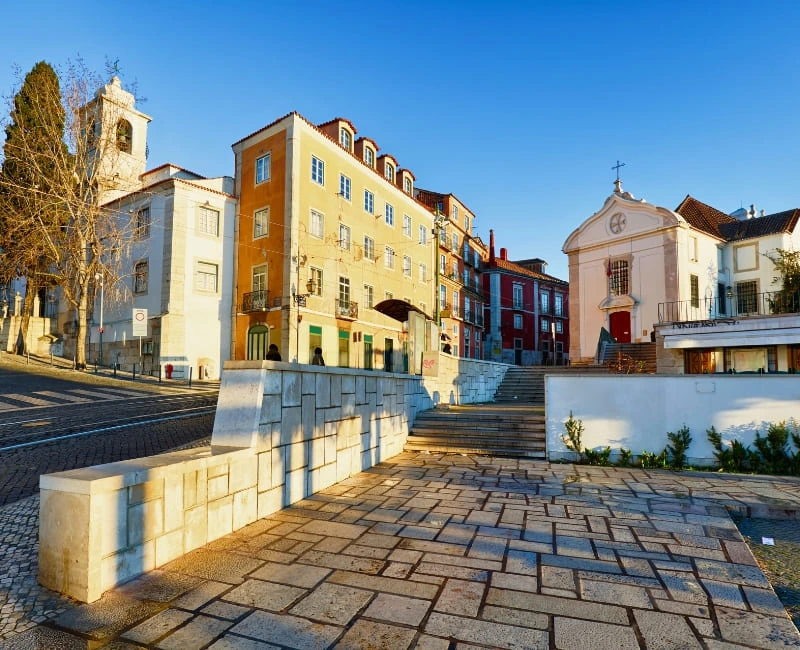
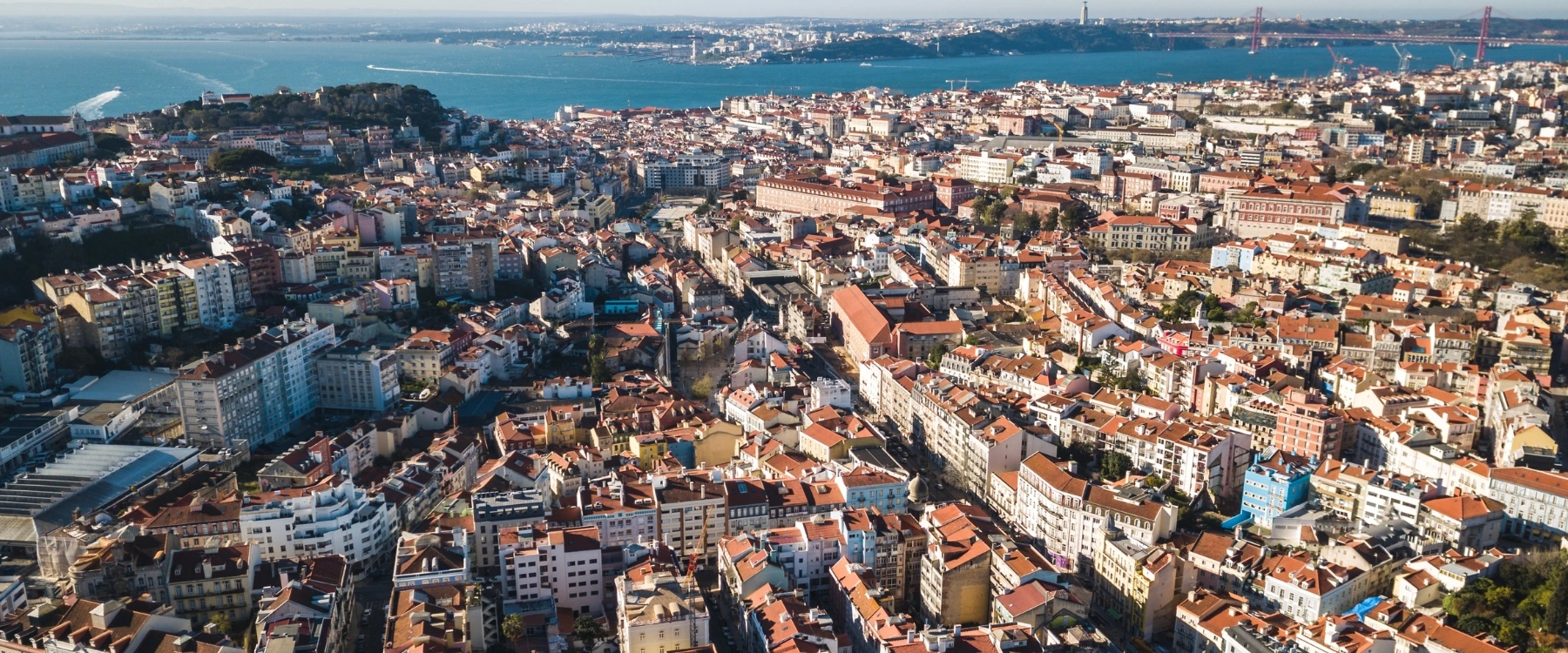
Lisbon is a city of layers, each neighbourhood offering a distinct personality that feels like a chapter in its story. From historic quarters to modern hubs, these districts define Lisbon’s charm.Start your journey in Alfama, Lisbon’s oldest district, where winding alleys climb steep hills and history lingers at every turn. This neighbourhood is a tapestry of whitewashed houses, hanging laundry, and colourful azulejos. The soulful sound of Fado music drifts from cosy taverns, adding an air of nostalgia. Landmarks like Lisbon Cathedral (Sé de Lisboa) and the São Jorge Castle provide sweeping views of the Tagus River and red-tiled rooftops. Alfama is a living museum of Moorish heritage and Portuguese traditions, perfect for culture seekers.From Alfama, head to Bairro Alto, Lisbon’s bohemian quarter. During the day, its cobbled streets are quiet, home to vintage shops, art galleries, and quirky cafes. At night, Bairro Alto transforms into a lively nightlife hub, buzzing with rooftop bars, music venues, and locals spilling into narrow streets.Nearby lies Chiado, Lisbon’s elegant artistic district. Known for literary icons like Fernando Pessoa, Chiado blends old-world charm with modern sophistication. Visit the São Carlos Theatre, shop at upscale boutiques, and sip espresso at the historic A Brasileira café.Baixa, rebuilt after the devastating 1755 earthquake, offers a completely different feel. Its grid-like streets are lined with neoclassical architecture, broad avenues, and lively squares like Praça do Comércio. Baixa is a great starting point for sightseeing and shopping.A tram ride away, Belém transports visitors to Lisbon’s maritime golden age. Marvel at the Belém Tower and Jerónimos Monastery, both UNESCO World Heritage Sites. Don’t forget to enjoy a world-famous pastel de nata from Pastéis de Belém.Lisbon also embraces modernity in Parque das Nações, a futuristic riverside district built for Expo ’98. With its sleek design, Oceanário de Lisboa, and Vasco da Gama Bridge, it’s a perfect stop for families.Round out your exploration with Graça, home to stunning viewpoints like Miradouro da Graça, and Príncipe Real, known for antique shops, leafy squares, and weekend markets. Together, Lisbon’s neighbourhoods form a vibrant mosaic, making every walk feel like stepping into a new world.
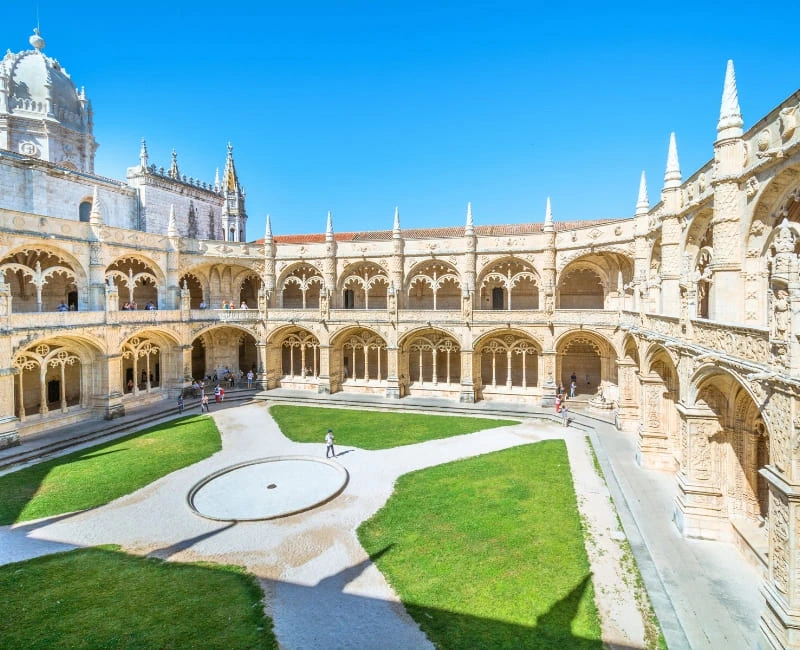
Lisbon is a treasure trove for culture lovers, where centuries of history meet cutting-edge creativity. Its museums, monuments, and artistic hubs offer an immersive journey through Portugal’s rich heritage.Begin in Belém, a district that reflects Portugal’s maritime power during the Age of Discovery. The Jerónimos Monastery, with its elaborate Manueline-style carvings, is a UNESCO World Heritage Site and a stunning example of Portuguese craftsmanship. Nearby, the Belém Tower once guarded Lisbon’s harbour and now stands as an icon of exploration. The Monument to the Discoveries celebrates the explorers who shaped the world’s maps, making Belém a history lover’s paradise.Lisbon’s museums showcase its diverse cultural heritage. The Museu Nacional de Arte Antiga is home to masterpieces from Portugal and beyond, while the Calouste Gulbenkian Museum offers a private collection spanning ancient Egypt, Islamic art, and European paintings. The National Azulejo Museum celebrates Portugal’s tilework tradition, with vibrant panels dating back to the 15th century.Lisbon’s contemporary scene is equally vibrant. The MAAT (Museum of Art, Architecture, and Technology) is a riverside marvel of modern design, featuring rotating exhibitions. Street art lovers will enjoy Lisbon’s open-air gallery, with artists like Vhils and Bordalo II turning walls and recycled materials into stunning murals.For a blend of art and community, explore LX Factory, a former factory complex transformed into a creative hub with design shops, cafes, studios, and the renowned Ler Devagar bookstore.Music is central to Lisbon’s cultural identity. Visit the Fado Museum to learn about Portugal’s soulful music and experience it live in intimate venues in Alfama. Theatre lovers can enjoy performances at Teatro Nacional D. Maria II in Rossio Square.Don’t miss the haunting beauty of the Carmo Convent, a Gothic ruin left open to the sky after the 1755 earthquake, or the Roman Theatre Museum, which showcases Lisbon’s ancient roots. Lisbon’s mix of medieval, Renaissance, and modern artistry makes it a living canvas where every corner tells a story.