

 Lithuania Travel Guide
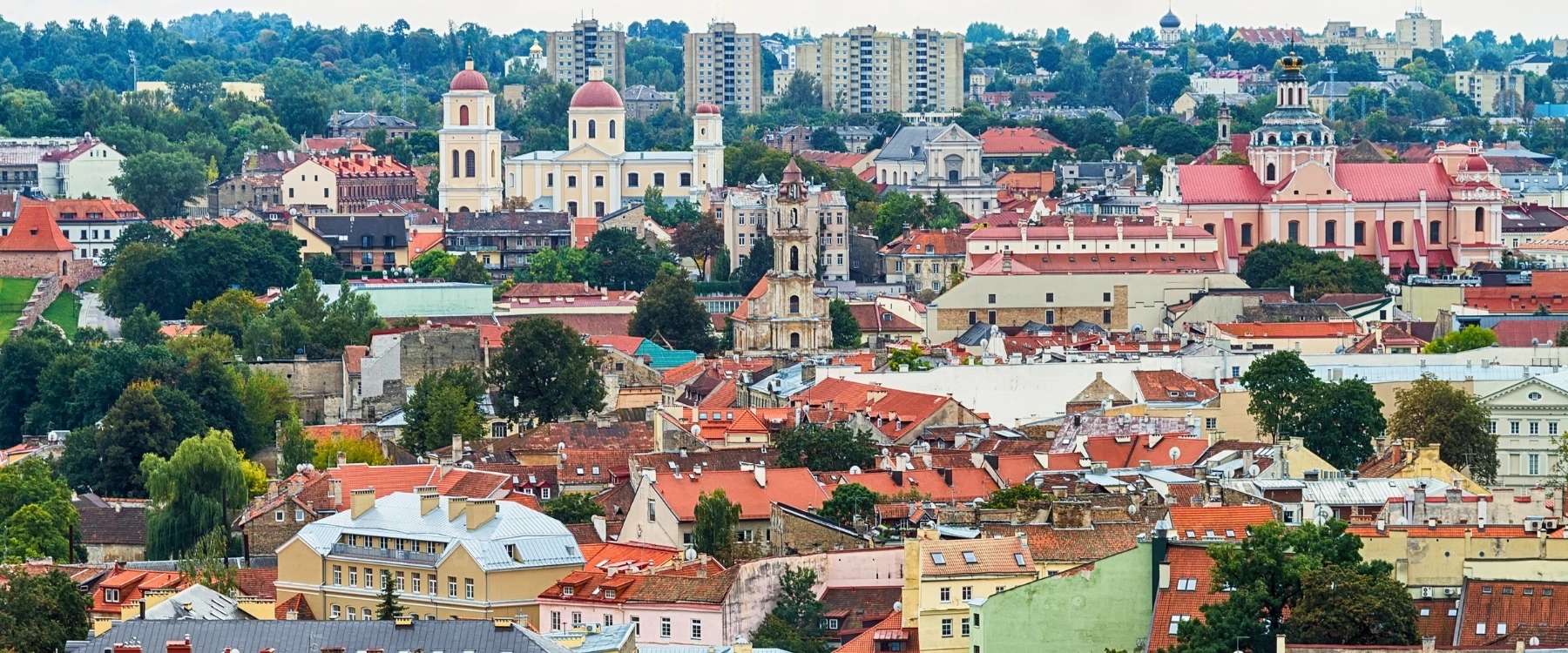
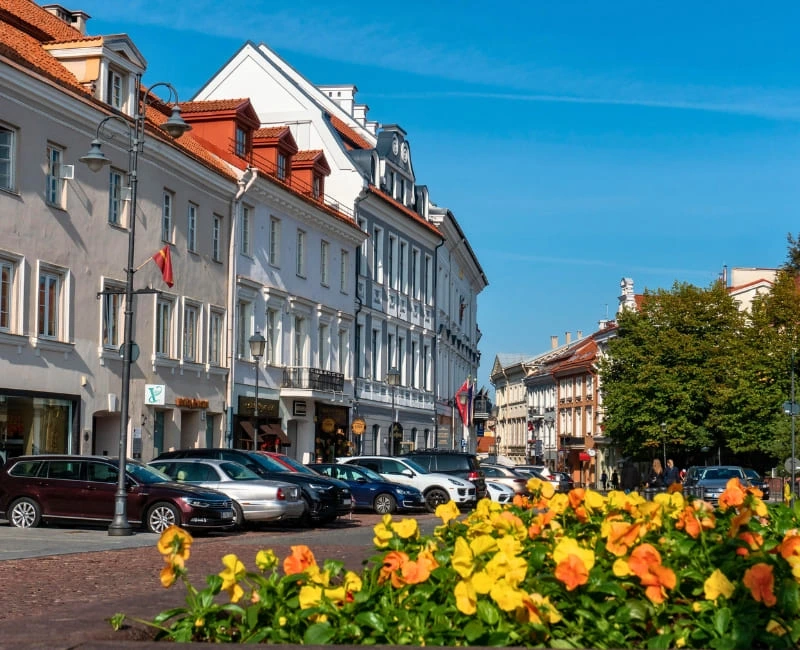
Vilnius Old Town, a UNESCO World Heritage site, epitomizes Lithuania’s rich tapestry of history and architecture. Begin at Cathedral Square, dominated by the neoclassical Vilnius Cathedral. Climb its bell tower for sweeping views of red-tiled roofs and winding streets. From there, wander down Pilies Street, where artisan shops, cozy cafés, and grand merchant houses flank your path. Along the way, pause at the Gates of Dawn chapel to see the revered icon of the Virgin Mary, then continue to the historic University of Vilnius courtyard, whose cloisters echo with centuries of scholarship.Cross the Vilnia River to Užupis, the bohemian quarter that styles itself an “independent republic.” Murals and whimsical sculptures line its narrow lanes, while riverside cafés and galleries invite lingering conversations with local artists. Back in Old Town, admire St. Anne’s Church—Napoleon reputedly compared its red-brick façade to a lacework model—and explore the nearby Bernardine Gardens, a verdant oasis.History comes alive in Vilnius’s museums: the National Museum of Lithuania charts the nation’s evolution, while the Museum of Occupations and Freedom Fights delivers a poignant account of Soviet oppression. Contemporary art enthusiasts can seek out experimental galleries and pop-up exhibitions tucked in former merchant houses.As dusk falls, Old Town transforms under amber lamplight. Sample cepelinai (potato dumplings) in a medieval-style tavern or sip locally brewed kvass beside an open hearth. Seek out an intimate organ concert in a Baroque church, or join a courtyard performance of Lithuanian folk music. For deeper context, book a Jewish heritage tour that uncovers synagogues, hidden courtyards, and stories of Vilnius’s once-vibrant Jewish community.Seasonal festivals animate the streets: street theater and music fill squares in summer, while winter brings a festive Christmas market under twinkling lights. Every alley conceals a discovery—an antique bookshop, a centuries-old library, or a tucked-away café perfect for reflection. Whether you savor a slow-brew coffee, craft amber jewelry in a workshop, or simply lose yourself among the cobbles, Vilnius Old Town offers an immersive journey into Lithuania’s soul.
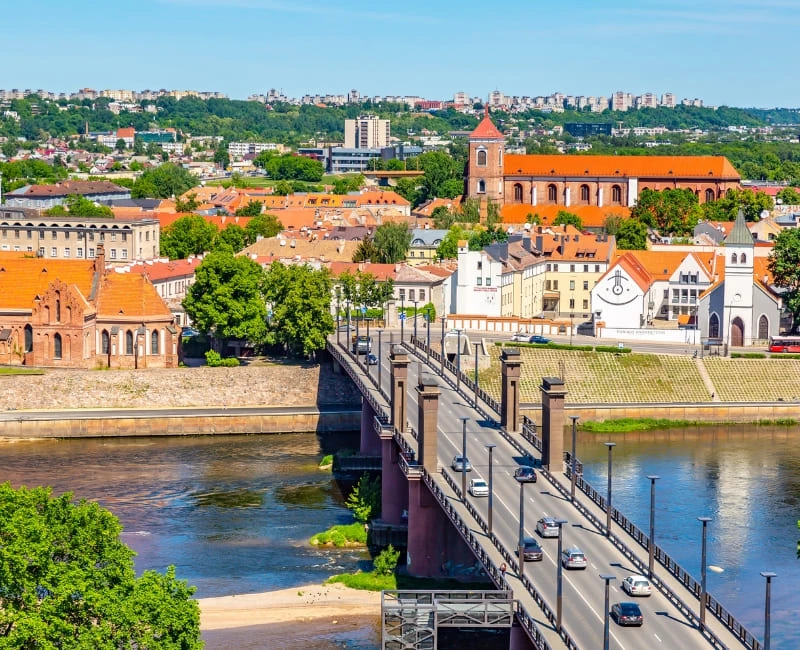
Kaunas, Lithuania’s second city, has reemerged as a beacon of modern creativity set against an interwar architectural backdrop. Town Hall Square, dominated by the “White Swan” façade, anchors the Old Town, where pastel-hued buildings now house artisan boutiques and cafés serving inventive takes on Lithuanian classics. Stroll along Laisvės Alėja, one of Europe’s longest pedestrian boulevards, alive with street performers, pop-up galleries, and outdoor terraces.Architecture aficionados will delight in Kaunas’s functionalism landmarks: the Vytautas Magnus University campus, nurse Alexandra’s clinic, and residential blocks exemplify 1930s modernist design. Thanks to its 2022 European Capital of Culture title, many of these gems have been lovingly restored and repurposed as cultural venues.Art lovers should visit the M. K. Čiurlionis National Art Museum, showcasing works by the Lithuanian painter-composer whose art fuses symbolism with national folklore. Nearby, the Kaunas Picture Gallery and converted factory spaces host rotating contemporary exhibitions. Street art has also transformed former industrial quarters into vibrant open-air galleries where massive murals celebrate local and international talent.The city’s riversides—where the Nemunas and Neris merge—offer scenic trails for walking, cycling, or simply enjoying a picnic. Creative quarters such as Panemunė feature workshops in ceramics, printmaking, and weaving, enabling hands-on immersion in Lithuanian crafts. Culinary innovation thrives here too: sleek bistros reinterpret cepelinai with seasonal vegetables, while craft breweries on the outskirts invite tastings of bold, hop-forward beers and botanical gins.Kaunas’s cultural calendar pulses year-round. The Kaunas Jazz Festival brings global musicians, street art festivals debut new murals, and Design Week spotlights local craftsmanship. For a sobering counterpoint, the Ninth Fort museum delivers a moving account of wartime history. After dark, riverside bars and open-air concert venues hum with energy, uniting visitors and locals alike.Accommodation runs the gamut from boutique hotels in restored tenement houses to sleek hostels in modernist buildings—each reflecting Kaunas’s unique blend of heritage and innovation. Day trips to the Rumšiškės Open Air Museum or the Baroque Pažaislis Monastery expand the experience beyond city limits. Compact and walkable, Kaunas invites travelers to discover a city reinventing itself through art, architecture, and entrepreneurial spirit—an authentic snapshot of contemporary Lithuania.