

 Luxembourg Travel Guide
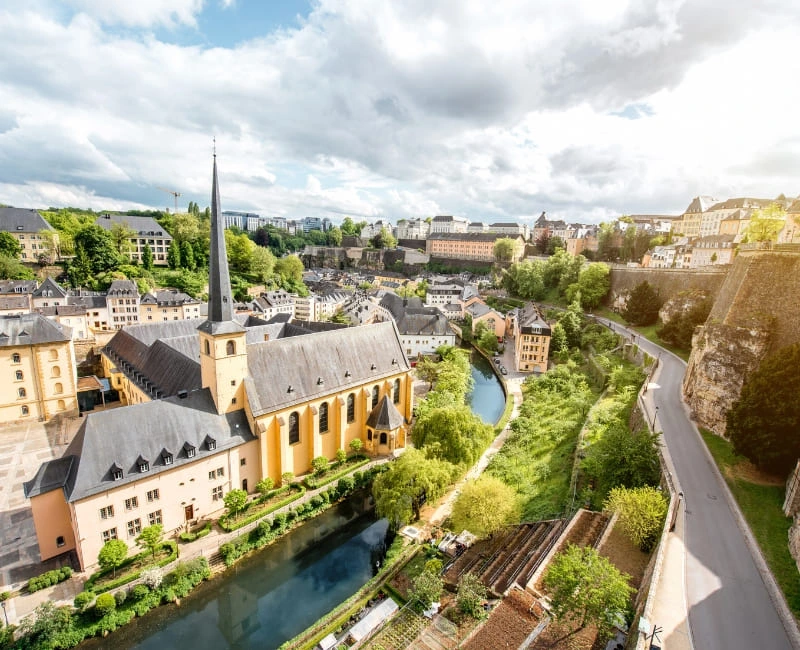
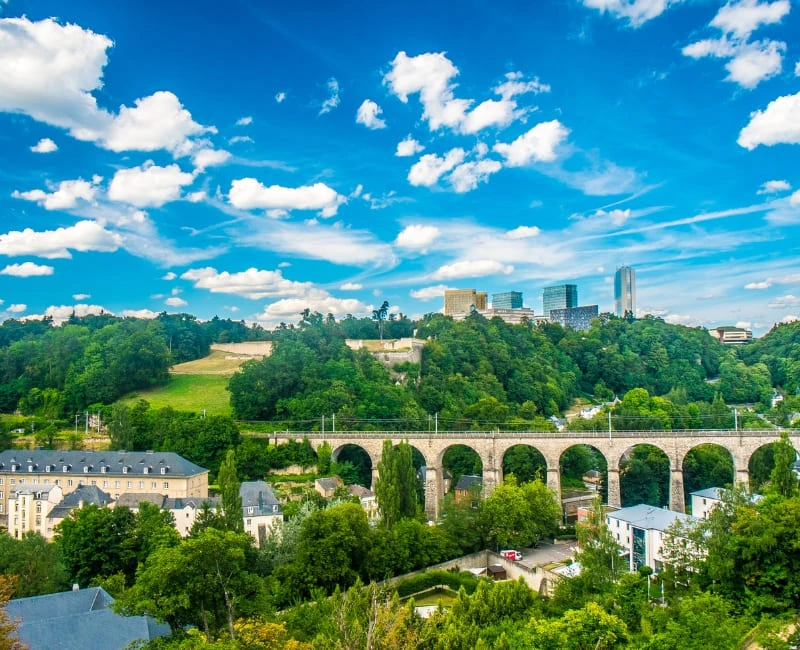
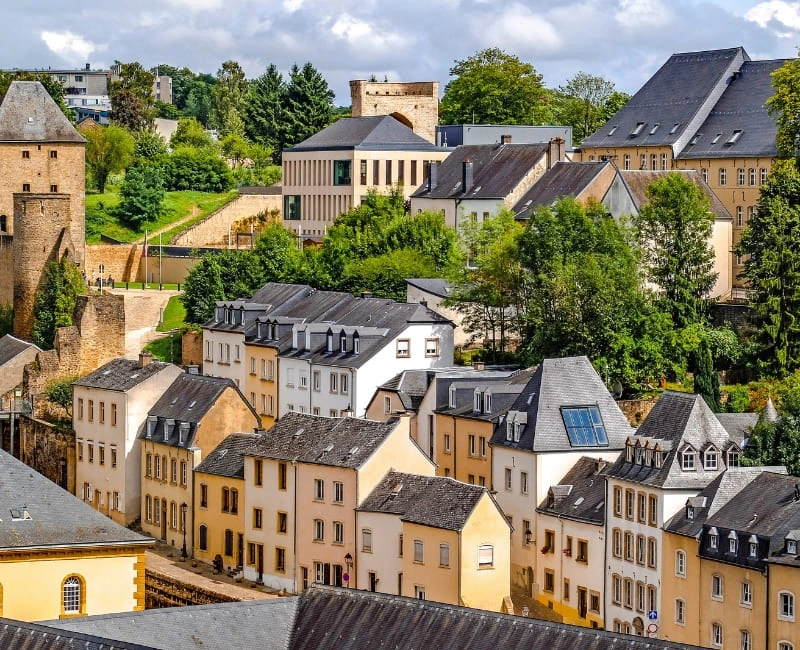
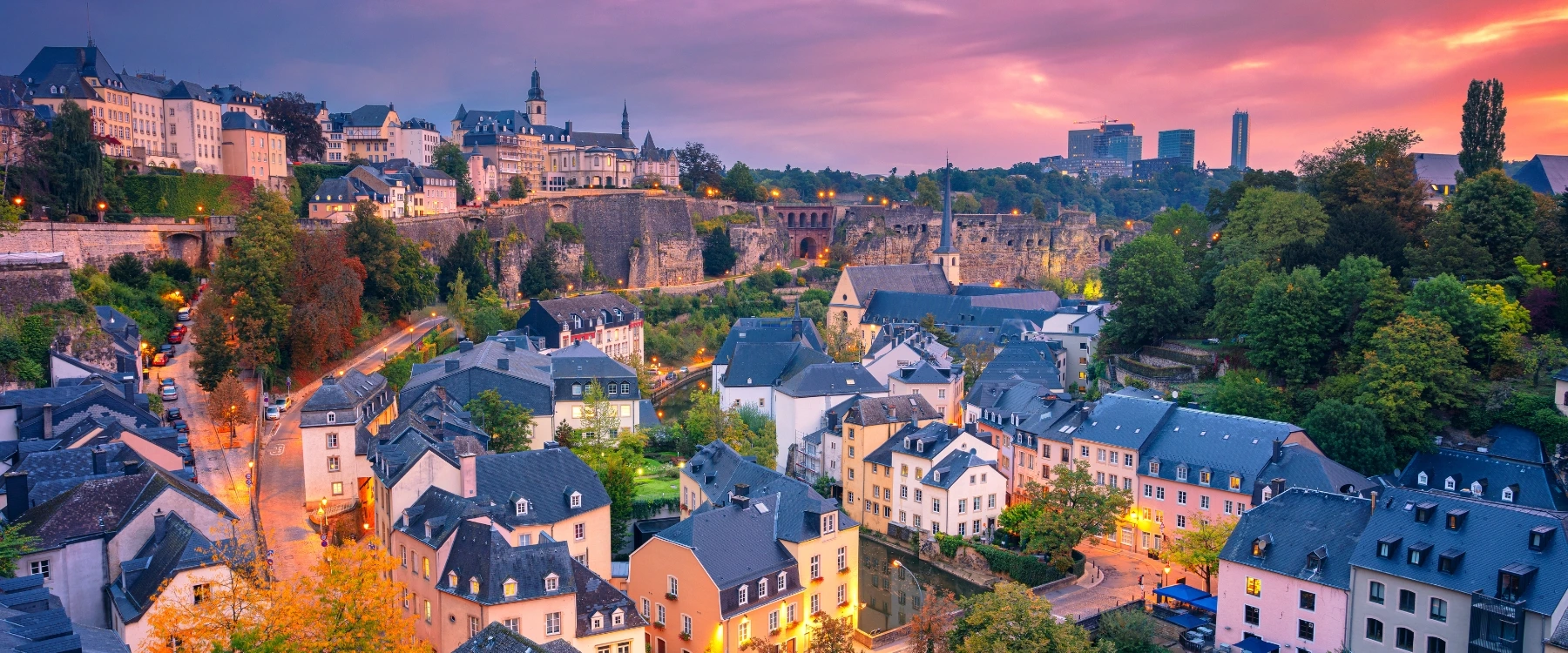
Luxembourg City’s Old Quarter, a UNESCO World Heritage site, immerses visitors in a tapestry of history, architecture, and lively urban life. This compact yet richly layered district unfolds across dramatic cliffs and valley terraces, revealing remnants of ancient fortifications interwoven with modern touches. Begin at the Place Guillaume II, where cobblestones teem with local markets or events under the statue of William II. From here, stroll to the Grand Ducal Palace—its ornate façade hinting at centuries of ducal history. Time your visit to witness the changing of the guard, an elegant ritual reflecting the country’s ceremonial traditions.Wandering through narrow streets such as Rue du Curé, admire historic townhouses with pastel shutters, centuries-old churches, and small plazas bursting with café culture. The Notre-Dame Cathedral, with Gothic spires and Renaissance elements, offers a serene interlude and insights into Luxembourg’s ecclesiastical past. Nearby, the National Museum of History and Art (MNHA) presents archaeological finds from Roman times through medieval artifacts and contemporary artworks, framing Luxembourg’s identity evolution. The Bock Promontory invites exploration of ancient casemates—underground galleries carved into rock, once sheltering troops; today they offer dramatic views across the Petrusse Valley.Local guides often lead walking tours highlighting hidden corners: secret courtyards, remnants of fort walls camouflaged among buildings, and stories of historical sieges and diplomatic significance. Architectural contrasts appear where sleek modern structures—such as the Philharmonie or Mudam (Museum of Modern Art)—sit near centuries-old ramparts, illustrating how contemporary culture thrives alongside heritage. Pause at viewpoint terraces (Chemin de la Corniche) for panoramic vistas over red-tiled roofs, verdant valleys, and the Alzette River winding below.Culinary breaks punctuate explorations: sample pastries and coffee at artisanal bakeries, or enjoy refined Luxembourgish dishes in intimate bistros overlooking historic streets. Evening visits reveal illuminated fortifications and atmospheric lighting that accentuates architectural details. Cultural events—concerts in vaulted halls, outdoor performances in summer, or seasonal markets in winter—enrich the experience, offering immersive encounters with local life. For photography enthusiasts, the interplay of old and new, light and shadow, offers endless inspiration.Because the Old Quarter is compact, one can cover main highlights in a day yet return for deeper dives: museum visits, dining experiences, and hidden gems off main thoroughfares. Combine this with short excursions to nearby neighborhoods—like Grund in the valley below—accessible via scenic lifts or stairways, where riverside cafés and green spaces offer a more tranquil pace. Overall, exploring Luxembourg City’s Old Quarter blends history, culture, and modern vibrancy in a walkable setting, ideal for those seeking authentic insights into this dynamic European capital.
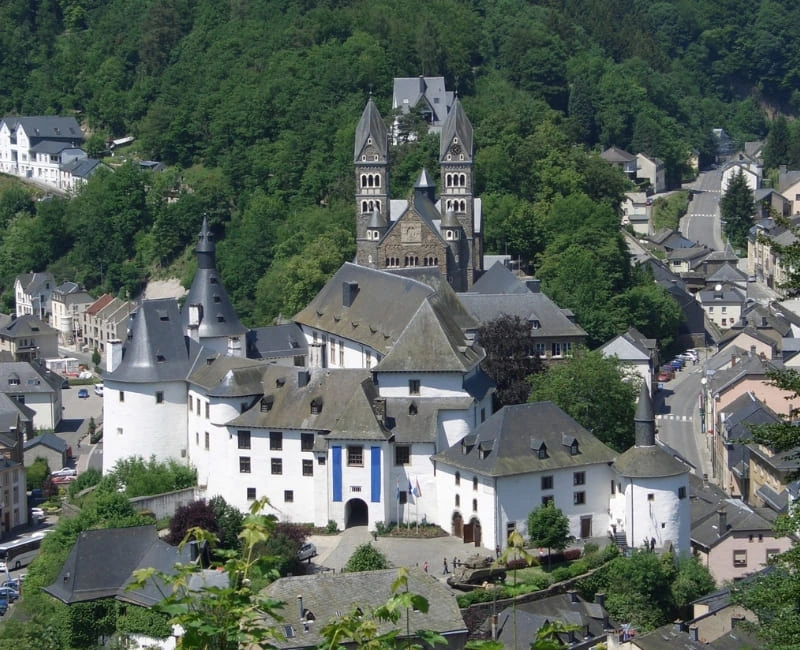
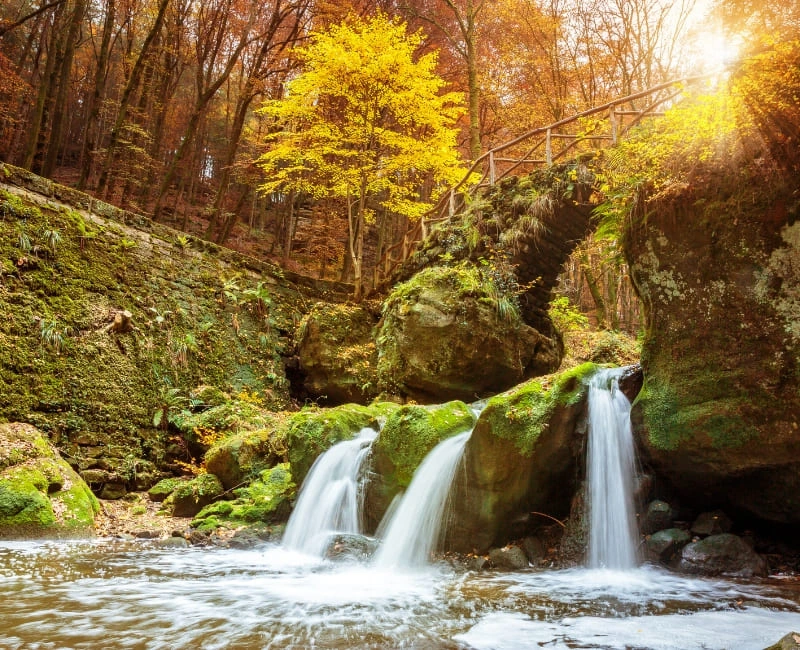
Beyond Luxembourg City’s fortifications, the Grand Duchy unfolds a wealth of castles, fortified towns, and heritage sites that evoke medieval romance and rural charm. A short drive or regional train journey leads to Vianden, where the hilltop Vianden Castle soars above the valley. Meticulously restored, the castle’s ramparts, grand halls, and towers reveal feudal life and offer panoramic views over the Our Valley. Seasonal events—medieval fairs or guided torchlit tours—bring the past to life. Nearby Vianden town’s quaint streets, local bakeries, and riverside paths complement the castle’s allure.Echternach, one of Luxembourg’s oldest towns, charms with its Benedictine abbey and centuries-old architecture. The Abbey of Echternach houses manuscripts and art reflecting religious heritage. Join guided walks along the Mullerthal Trail, where rocky formations and woodland trails border historic chapels. The annual Echternach Dancing Procession showcases UNESCO-listed intangible heritage, exemplifying living traditions.In central Luxembourg, the medieval town of Clervaux hosts Clervaux Castle with its family portrait exhibition and local history displays. Picturesque villages like Esch-sur-Sûre, nestled in a river bend, center around a ruined castle overlooking the lake, offering both historical atmosphere and scenic serenity. Beaufort Castle features two distinct structures: a medieval ruin and a Renaissance residence, each reflecting architectural evolution. Guided tours reveal stories of nobility, defense strategies, and everyday life across centuries.Many heritage sites provide interactive experiences: medieval-themed workshops, falconry displays, or traditional crafts demonstrations. Local museums spotlight regional customs: folk costumes, agricultural history, or wine production traditions in the Moselle Valley. Seasonal festivals often animate historic settings: open-air concerts in castle courtyards or evening illuminations that dramatize stone walls against night skies.Accessibility is generally good: regional buses and trains connect major heritage sites, while rental cars or guided excursions offer flexibility for remote locations. Combine castle visits with local culinary stops: farm-to-table restaurants near heritage centers serve regional specialties, often paired with local wines or artisanal beers. Photo opportunities abound, whether capturing castle silhouettes at sunrise or exploring labyrinthine corridors within fortress walls.This guide encourages travelers to venture beyond the capital to appreciate Luxembourg’s rich historical tapestry woven through small towns and rural landscapes. Exploring castles and heritage sites fosters deeper understanding of Luxembourg’s strategic significance in European history, its evolving governance, and the resilience of local communities. Whether fascinated by medieval architecture, interested in local traditions, or simply enchanted by scenic vistas around historic ruins, visitors will find these heritage journeys both enlightening and memorable.