
 Montenegro Travel Guide

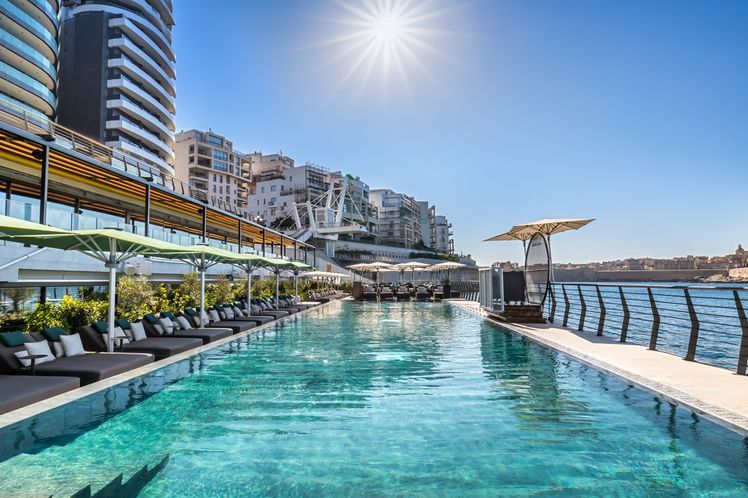
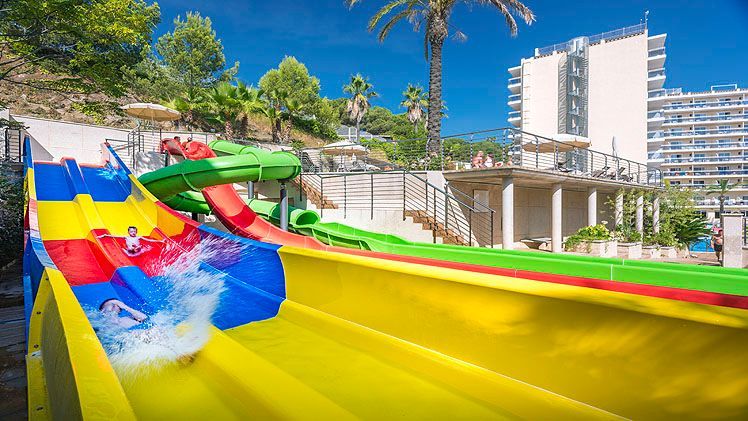
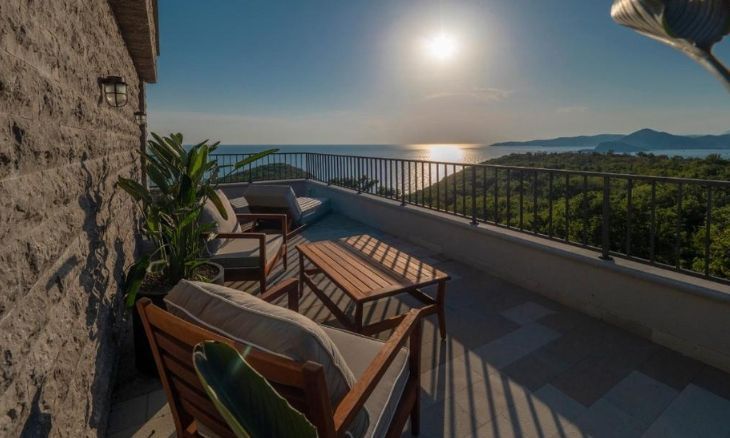
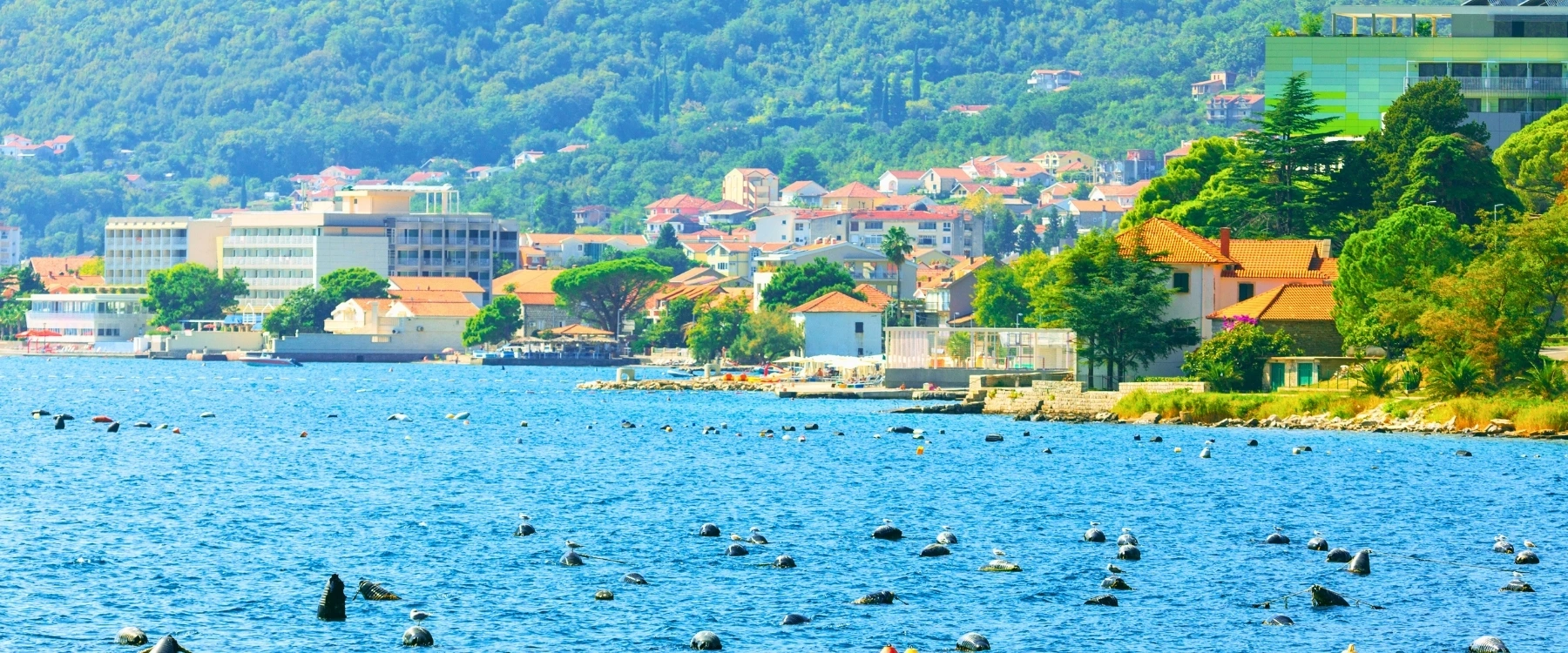
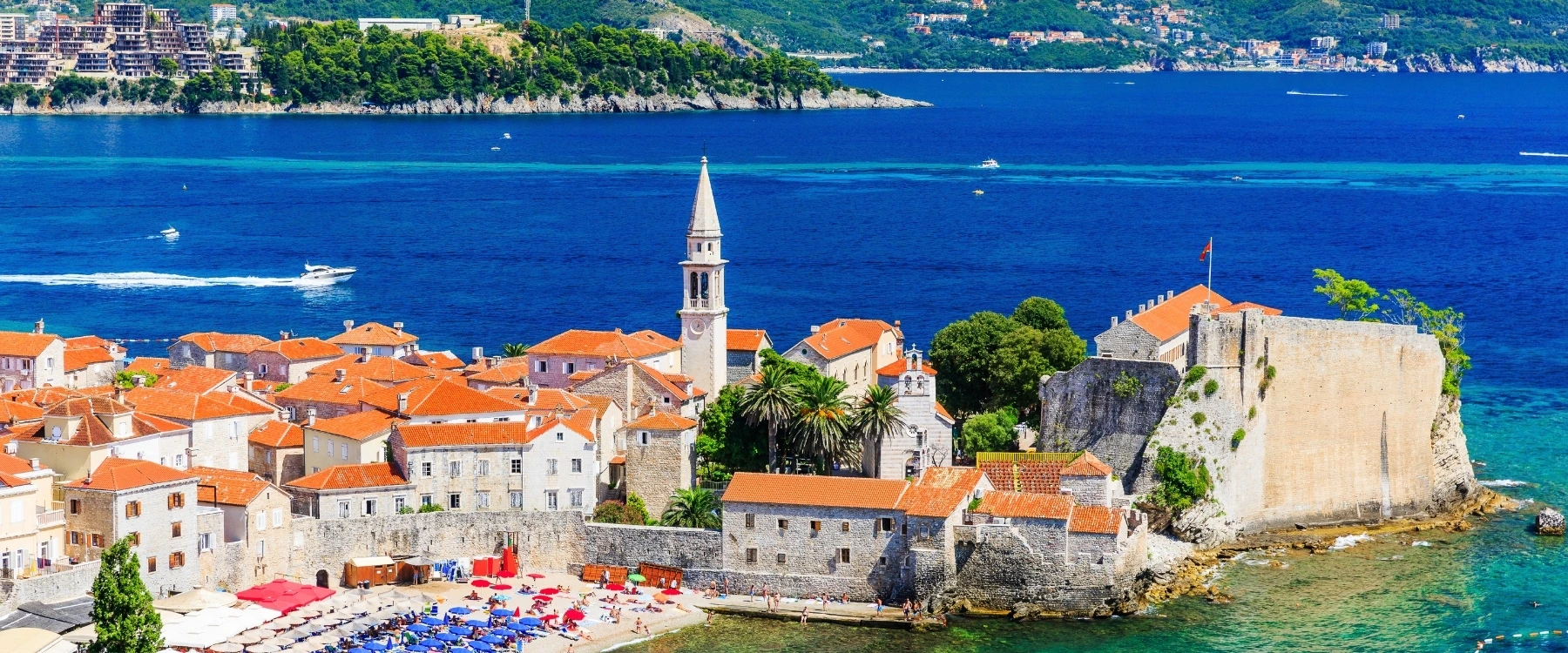
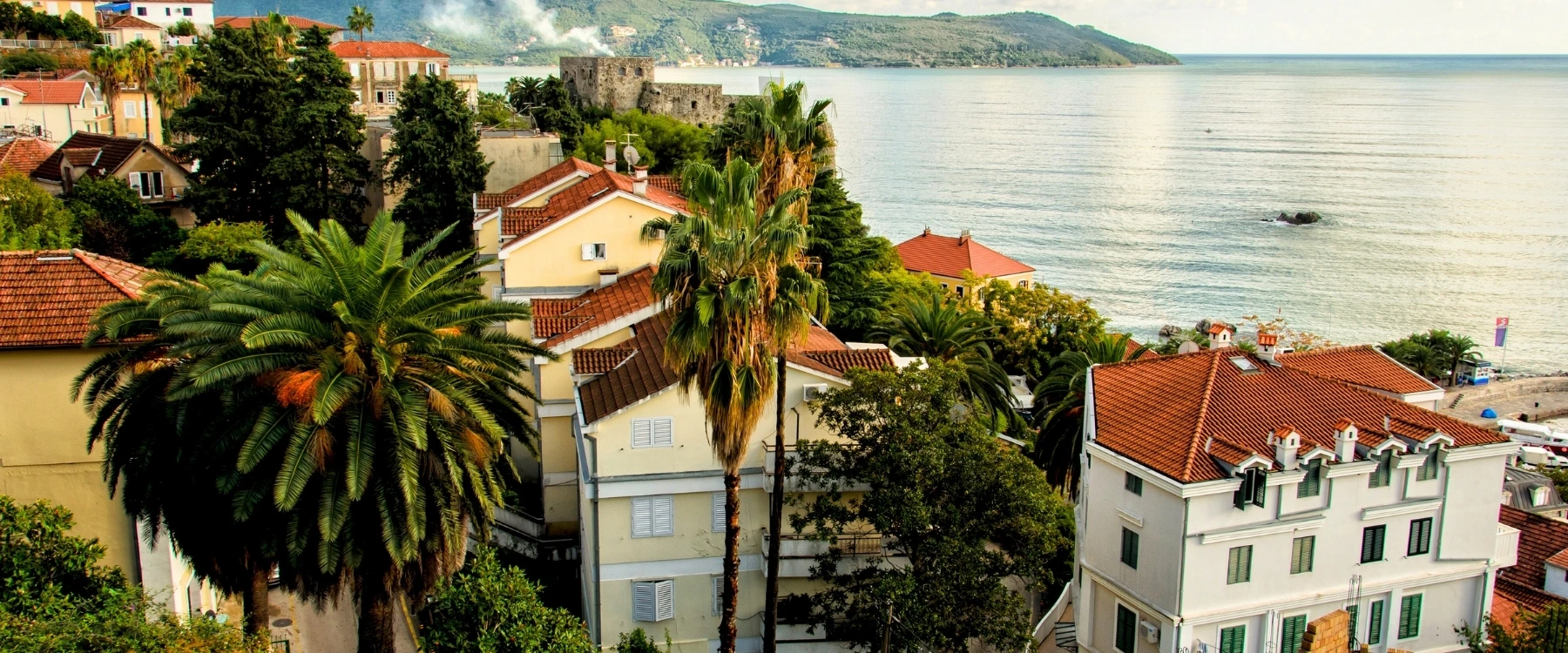
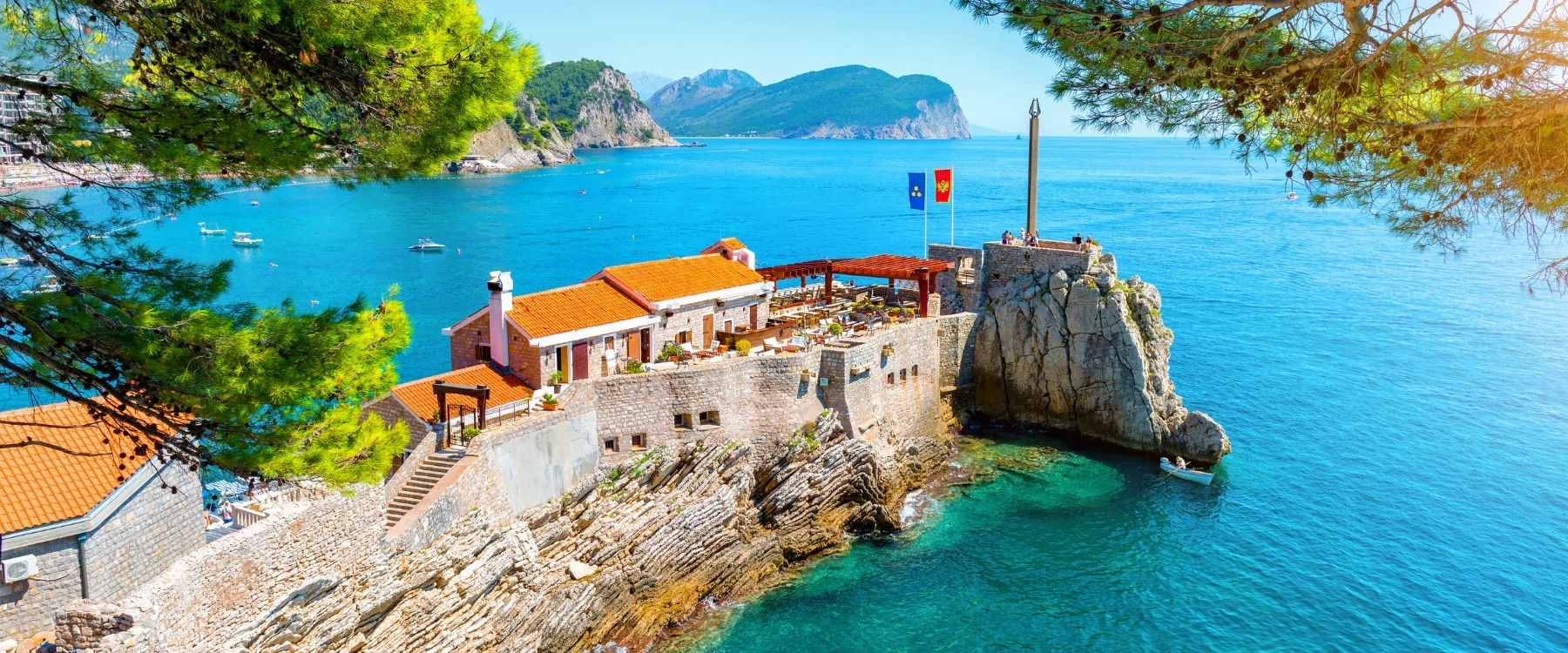
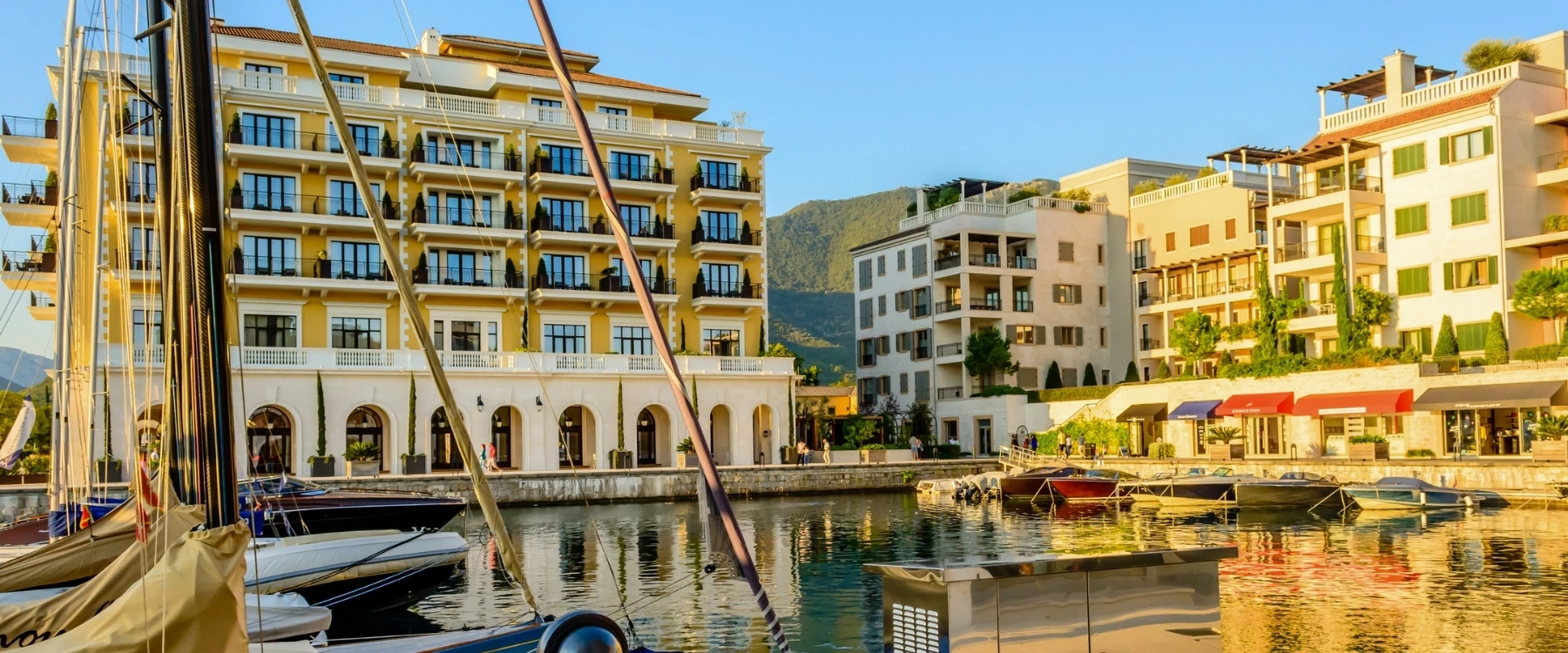
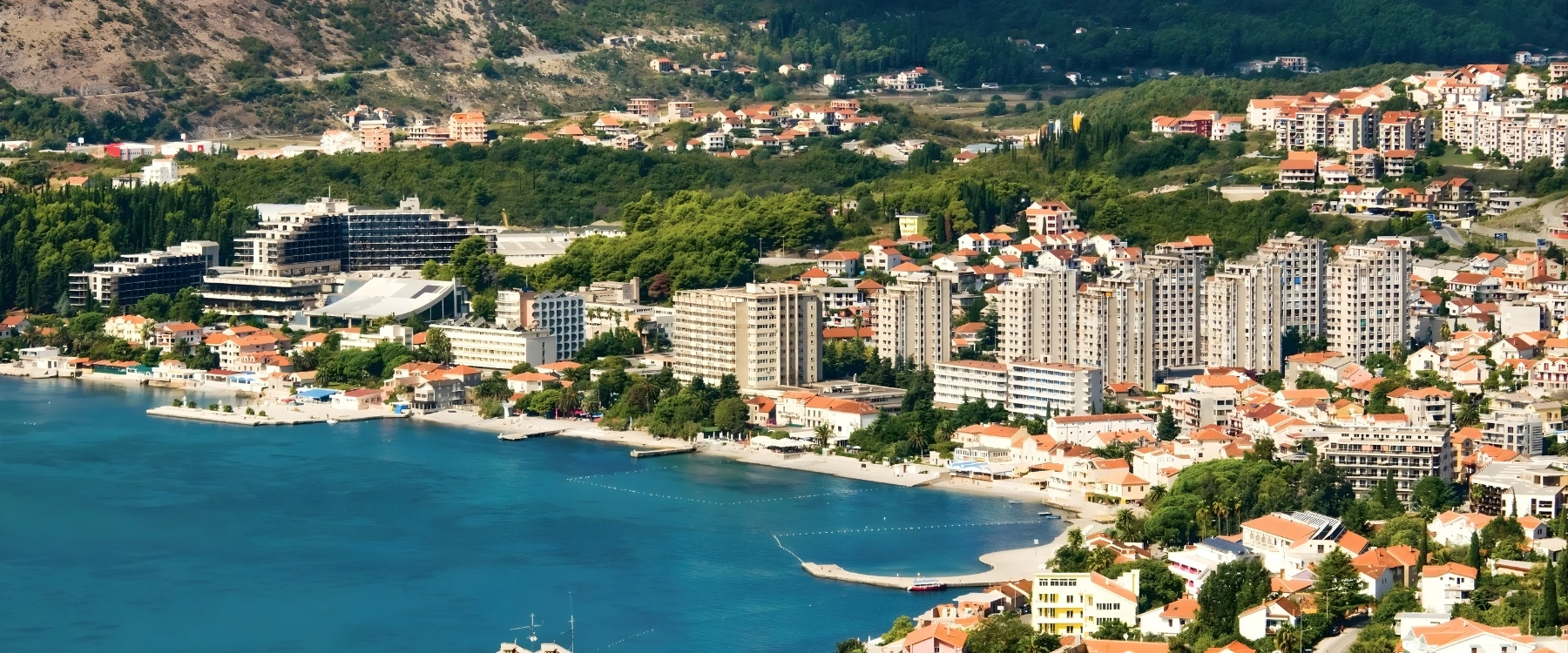
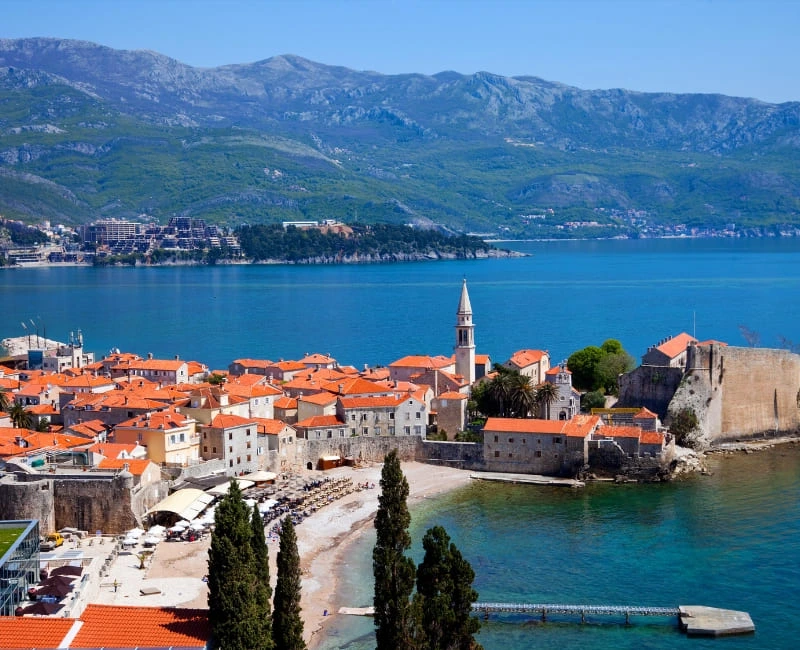
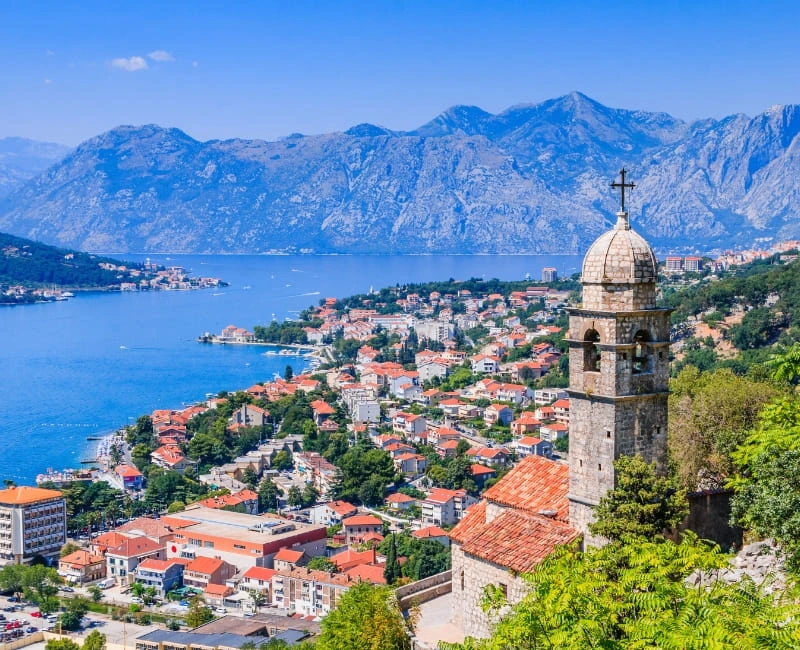
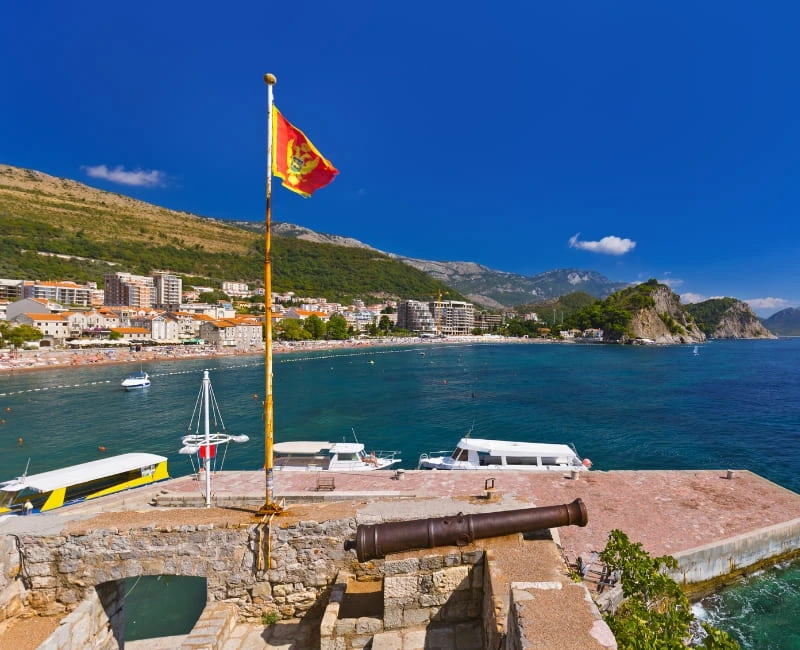
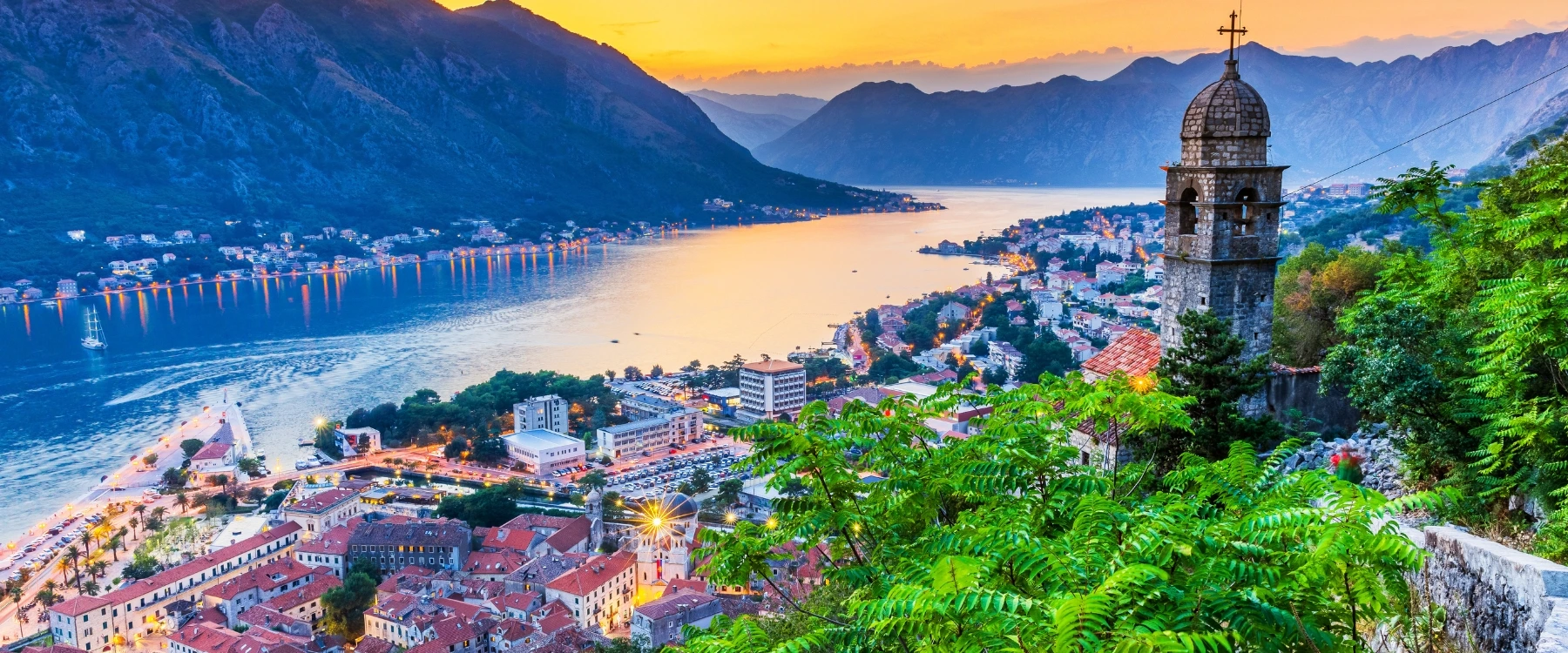
Montenegro’s Adriatic coastline may be compact, but it's rich in beauty, culture, and experiences—none more iconic than the twin jewels of Budva and Kotor. These two coastal towns are the heartbeat of Montenegro’s tourism scene, offering distinct yet complementary vibes that appeal to all kinds of travelers.Budva is the country’s premier beach destination. With more than 30 kilometers of coastline and over a dozen sandy and pebble beaches, Budva is perfect for sunseekers. Slovenska Beach is the most popular, while Mogren Beach charms with its turquoise waters and dramatic cliffs. Beyond its beaches, Budva's Old Town (Stari Grad) is a labyrinth of narrow streets, stone houses, and historical landmarks like the Citadel and the Church of Saint John. At night, Budva transforms into a buzzing entertainment hub with seaside clubs, bars, and beach parties that last till dawn.Kotor offers a more serene and romantic alternative. Set at the edge of the breathtaking Bay of Kotor—often called Europe’s southernmost fjord—this UNESCO World Heritage Site captivates with its medieval architecture and majestic mountain backdrop. Walking through the Old Town feels like stepping into a different era. Ancient churches, palaces, and stone-paved alleyways tell stories of Venetian, Ottoman, and Roman influence. For the best views, hike up to the San Giovanni Fortress and soak in the panorama of terracotta rooftops and blue waters.What sets Kotor and Budva apart is how well they balance history and hedonism. In a single trip, you can explore a 12th-century cathedral in the morning, lounge on a sun-kissed beach in the afternoon, and enjoy seafood with a waterfront sunset in the evening. For travelers who crave diversity without long travel times, these towns are ideal.From yacht lovers and honeymooners to history enthusiasts and families, Budva and Kotor welcome all with open arms and endless options. Their beauty, accessibility, and charm make them the perfect introduction to Montenegro’s coastal magic.
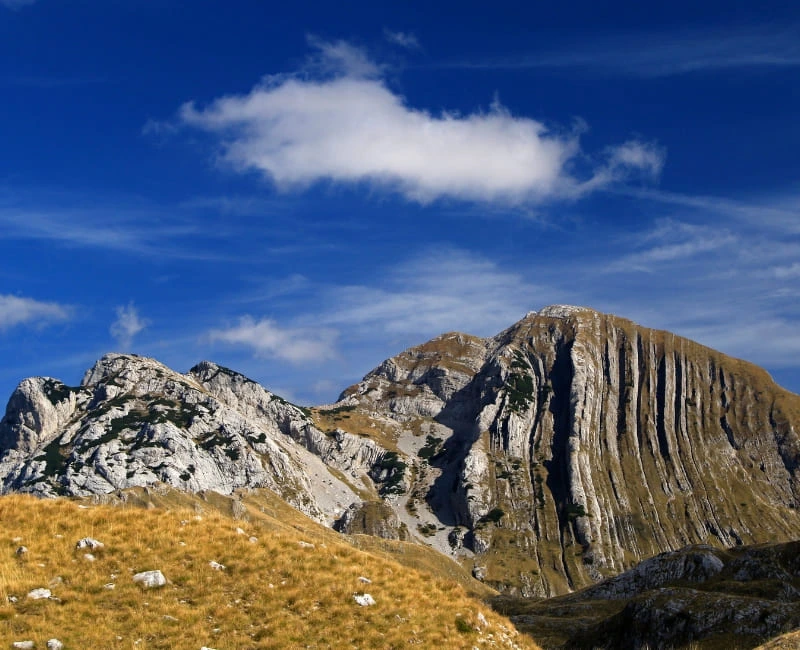
Durmitor National Park is a masterpiece of natural grandeur that embodies the wild, rugged heart of Montenegro. This UNESCO World Heritage Site is located in the north of the country and encompasses 48 peaks over 2,000 meters high, dense pine forests, deep glacial valleys, and 18 serene mountain lakes, including the iconic Black Lake (Crno Jezero).For nature lovers, Durmitor is paradise. Hiking trails crisscross the park, leading to jaw-dropping viewpoints and hidden alpine meadows. One of the most popular treks is the ascent to Bobotov Kuk, Montenegro’s highest peak at 2,523 meters, offering spectacular views of the surrounding Dinaric Alps. In the warmer months, the park is a canvas of wildflowers and wildlife, home to eagles, lynx, wolves, and bears.But it’s not just about hiking. The Tara River Canyon, slicing through the park, is the second deepest in the world after the Grand Canyon. Here, you’ll find Europe’s best white-water rafting experience—adrenaline-packed yet stunningly scenic. If that’s not thrilling enough, try canyoning, paragliding, or ziplining across the vast canyon.In winter, Durmitor transforms into a snowy wonderland. The small town of Žabljak becomes a base for skiing, snowboarding, and snowshoeing. Though less developed than Alpine resorts, it offers a more intimate, affordable, and authentic experience.Durmitor isn’t just about action—it’s about reconnection. The crisp mountain air, untouched scenery, and remote feel make it a place to truly disconnect from the world and immerse yourself in nature. Whether you're after physical adventure or spiritual peace, Durmitor will leave a lasting impression.