
 Morocco Travel Guide
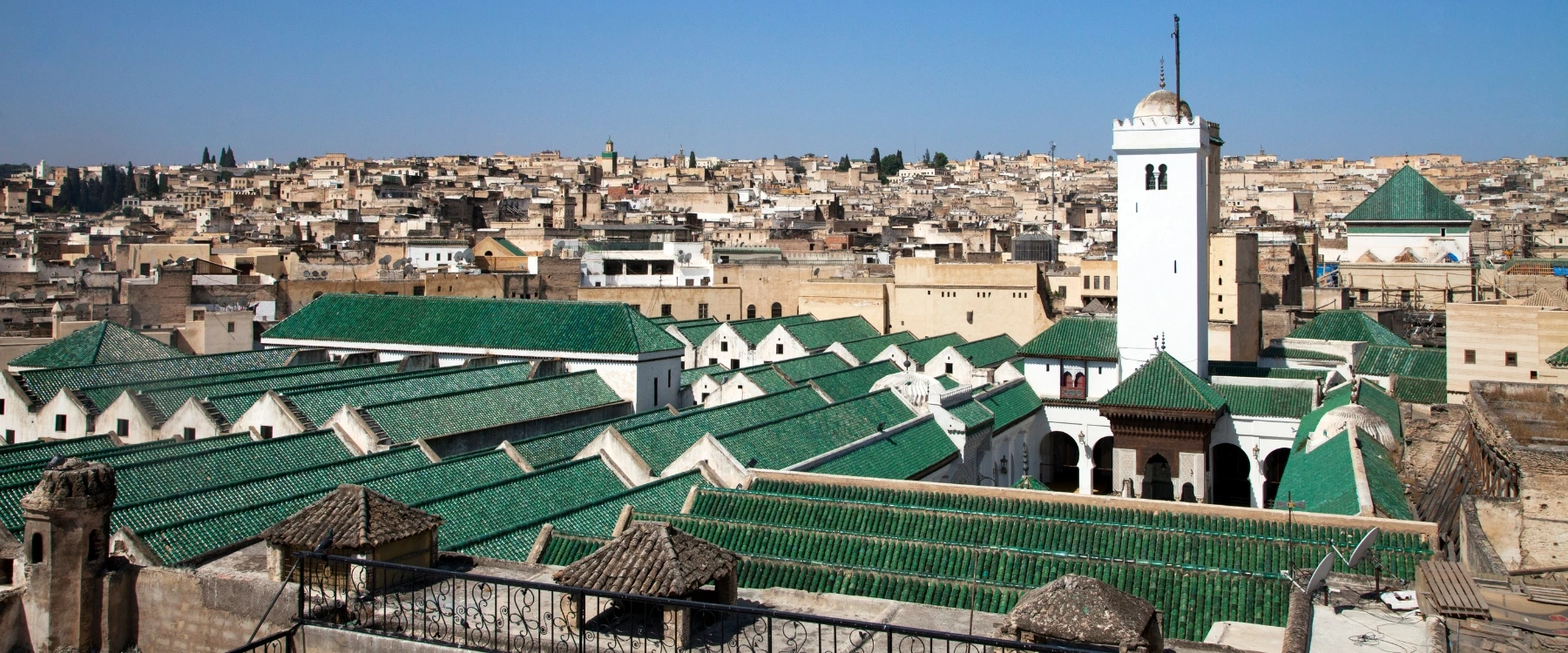
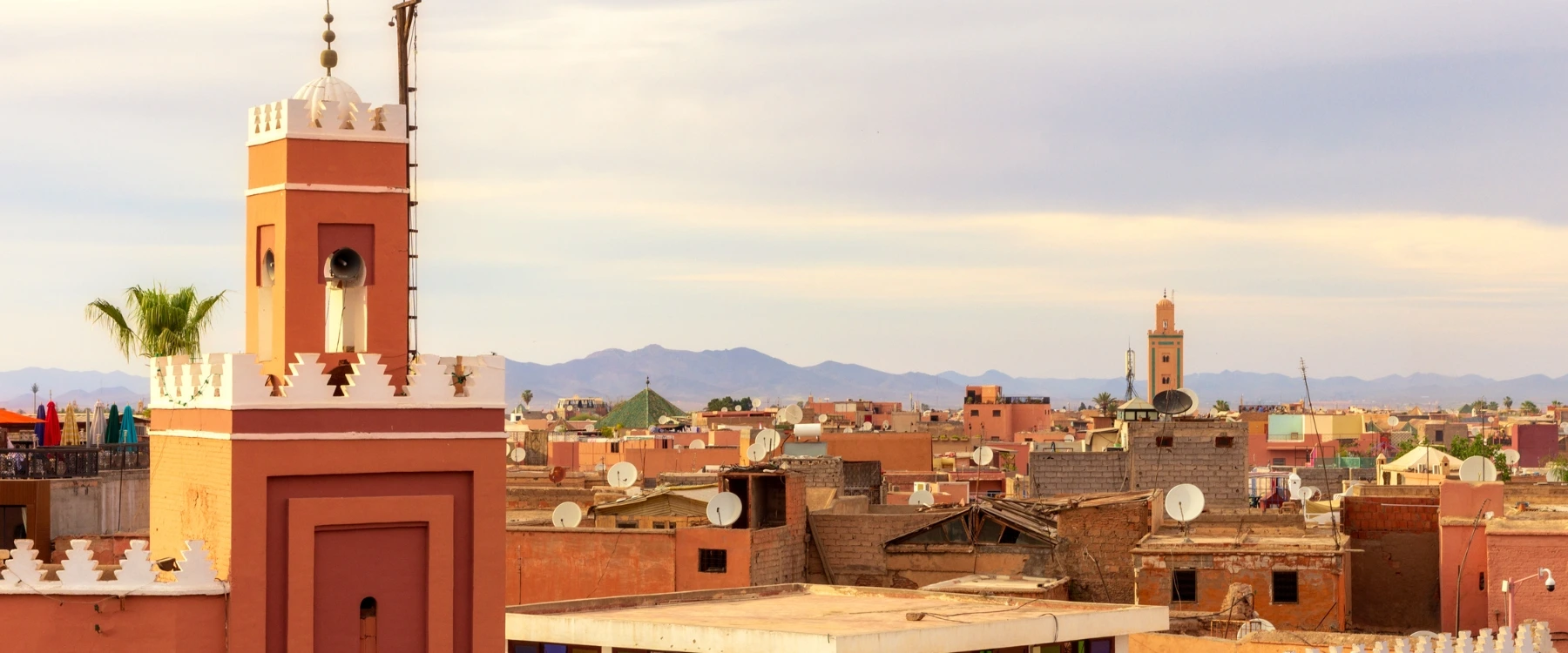
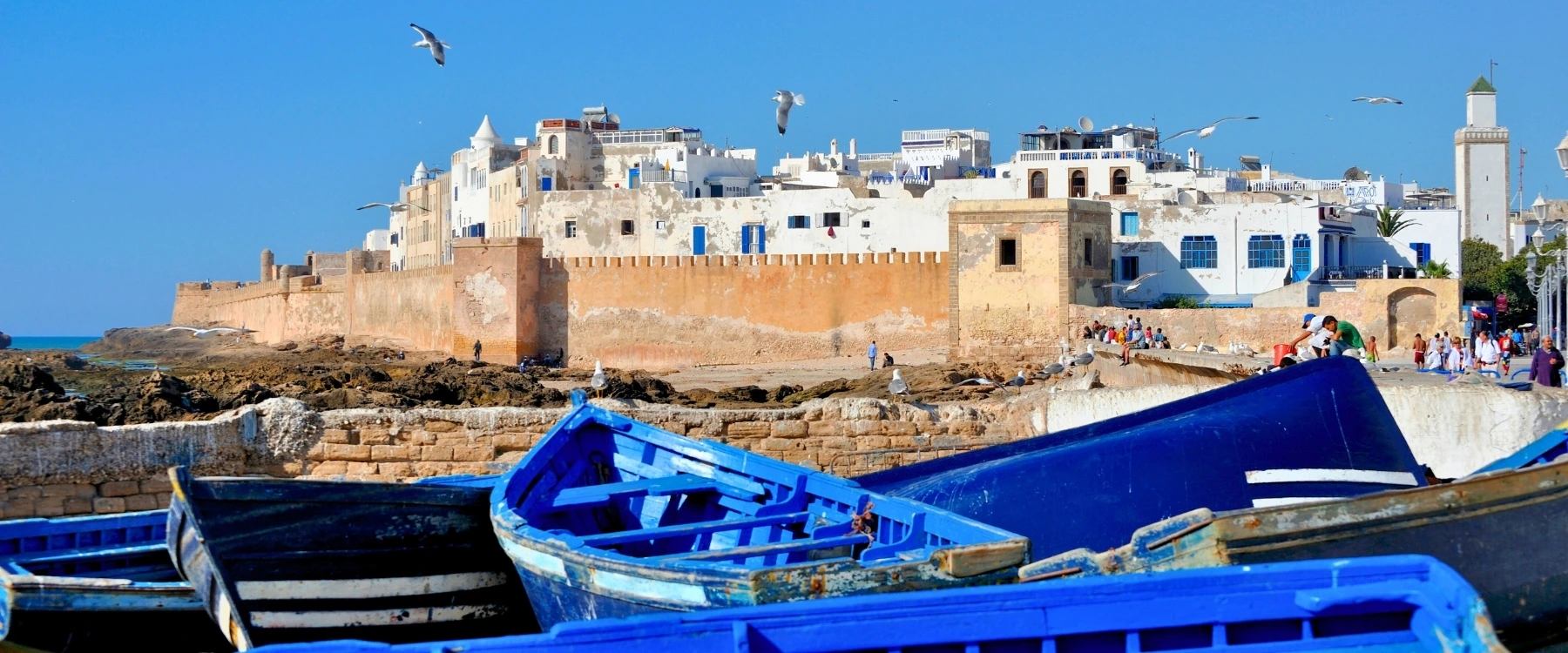
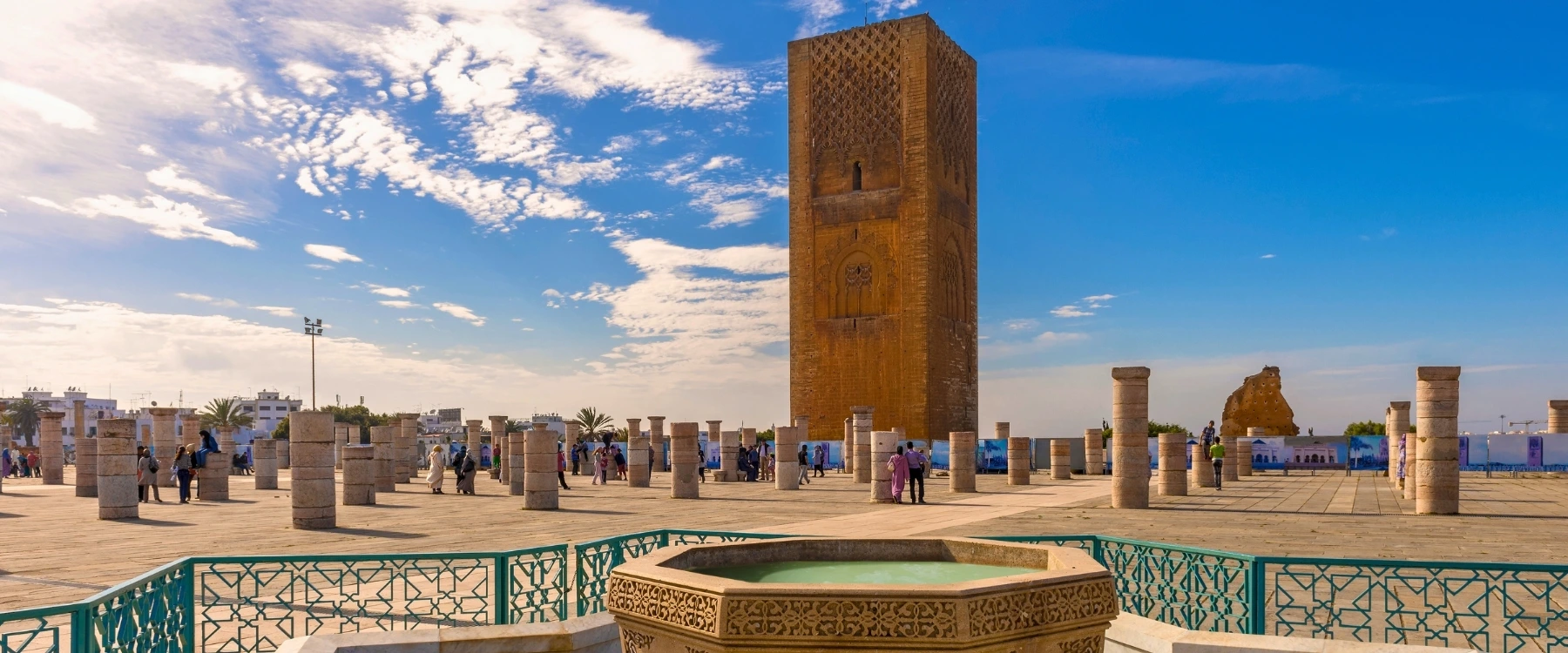
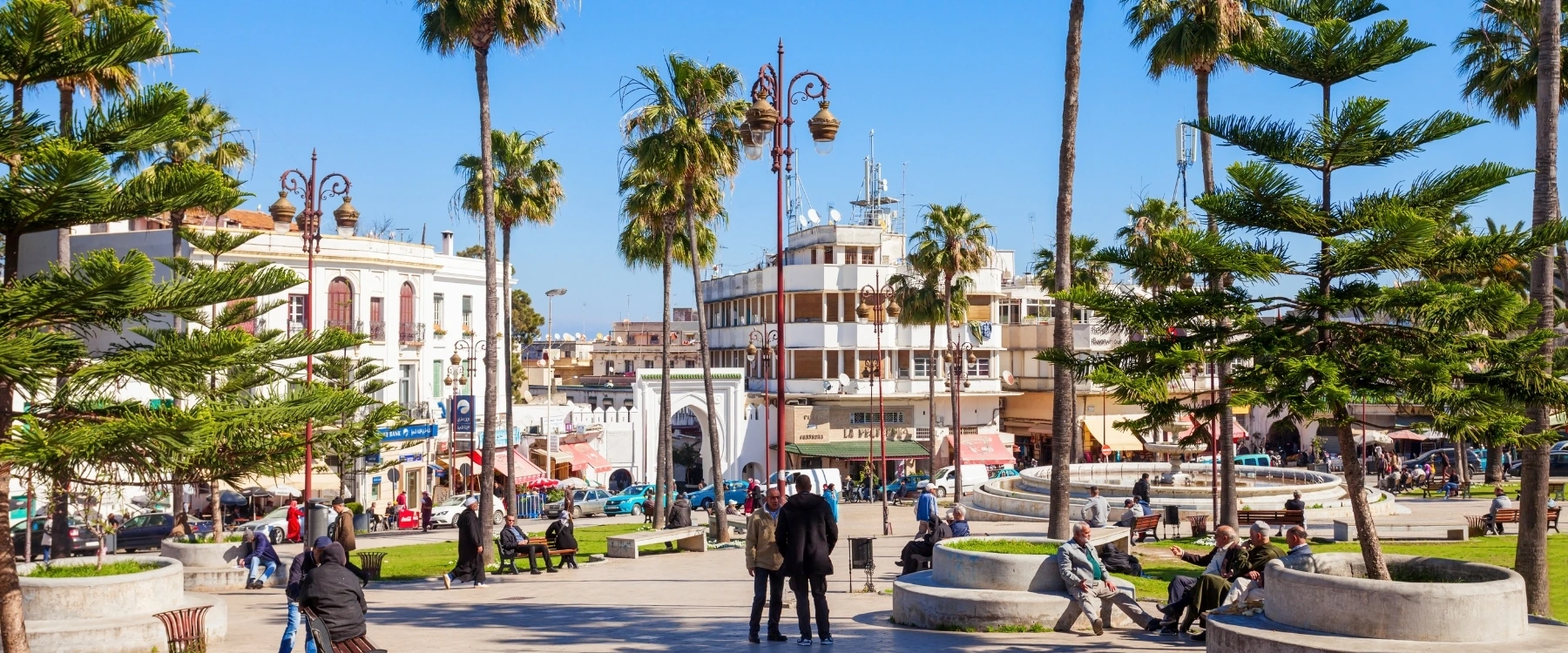
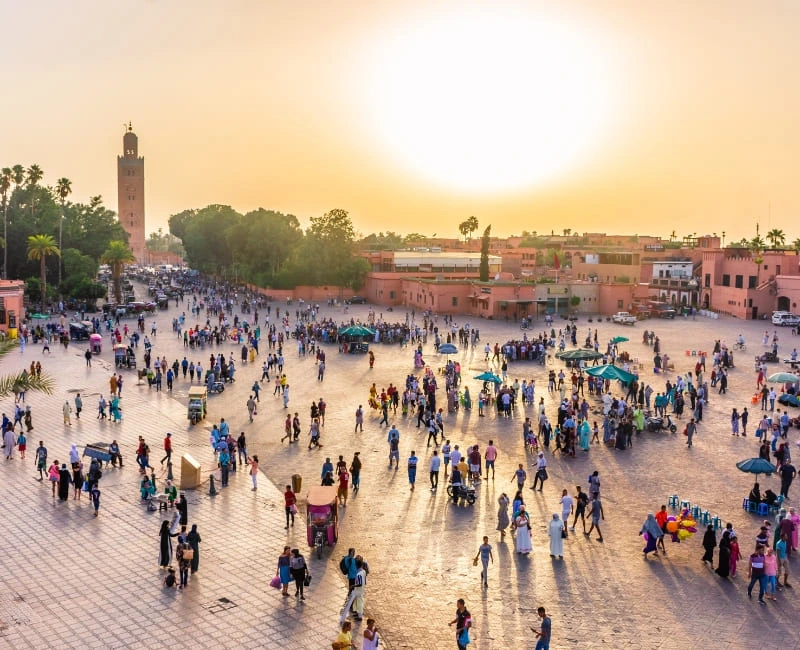
Morocco’s imperial cities—Marrakech, Fez, Meknes, and Rabat—are living museums that tell the story of a nation forged through centuries of dynasties, trade, and diverse cultures. Each city holds the coveted title of having once been the capital, and each presents a different side of Moroccan heritage. Start your journey in Marrakech, where the scent of spices fills the air and snake charmers entertain in the iconic Jemaa el-Fnaa square. Wander into the souks, where artisans craft intricate lanterns, leather slippers, and hand-woven carpets. The Bahia Palace, with its mosaic-tiled courtyards, offers a glimpse into royal life, while the Majorelle Garden brings a serene burst of colour. Fez, Morocco’s oldest imperial city, is a place where time seems to pause. The Fez el-Bali medina, a UNESCO World Heritage site, is the world’s largest car-free urban area, boasting over 9,000 narrow streets. Here, you can witness ancient traditions in the Chouara Tannery, where leather is dyed using natural pigments in centuries-old vats. Rabat, the current capital, is a more modern reflection of Moroccan culture. Its clean streets, palm-lined boulevards, and landmarks like the Hassan Tower and Kasbah of the Udayas make it an easy and enjoyable city to explore. It’s also home to many embassies and a cosmopolitan crowd, bridging Morocco’s past and future. Meknes, often overlooked, rewards the curious traveller. Once home to Sultan Moulay Ismaïl, the city showcases grand gates like Bab Mansour, royal stables, and vast granaries that speak of imperial ambition. Together, these cities offer a journey through Morocco’s dynastic history, artistic achievement, and cultural resilience—perfect for travellers hungry for authenticity and depth.
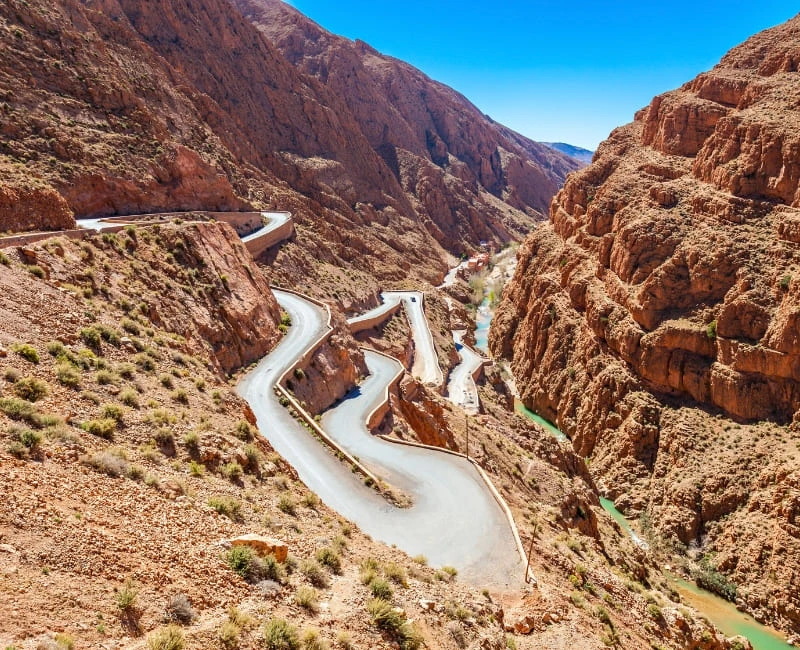
The Atlas Mountains are Morocco’s majestic backbone, stretching over 2,500 kilometres and offering landscapes as diverse as its cultures. Whether you’re a casual hiker or a seasoned trekker, the Atlas range offers unforgettable experiences framed by snow-capped peaks, lush valleys, and charming Berber villages. The High Atlas, home to Jebel Toubkal (4,167m), North Africa’s highest peak, is the crown jewel for adventurers. Climbing Toubkal is a challenge, but the payoff is panoramic views and the camaraderie of fellow trekkers. Most expeditions begin in Imlil, a picturesque village just 90 minutes from Marrakech. Local guides, many of Berber descent, lead visitors on safe, insightful routes while sharing their knowledge of the region. Further east, the Dades and Todra Gorges provide dramatic canyon landscapes with cliff walls towering over palm oases. These areas are ideal for both hiking and rock climbing, especially from spring through autumn when the temperatures are milder. Walking through these gorges feels like entering a natural cathedral, with silence broken only by the sound of water and birdsong. The Middle Atlas, around the cities of Azrou and Ifrane, contrasts with cedar forests and alpine meadows. Here, you might spot Barbary macaques and enjoy cooler temperatures in summer. The region is dotted with serene lakes and is perfect for laid-back hikes or day trips. In the Anti-Atlas, near Tafraoute, expect an otherworldly landscape of pink granite boulders and flowering almond trees in spring. This off-the-beaten-path region is ideal for those seeking solitude and soul-stirring scenery. No matter where you go in the Atlas, the hospitality of the Berber people adds a meaningful layer to your adventure. Home-cooked tagines, tea ceremonies, and simple yet warm accommodation in mountain gîtes create a genuine connection to the land and its guardians.