
North America

North America

North America, a vast continent spanning from the Arctic Circle to the tropics of Mexico and beyond, offers an extraordinary tapestry of experiences for every kind of traveler. From iconic urban skylines to pristine natural wonders, cultural melting pots to hidden gems off the beaten path, North America’s diversity ensures that every journey leaves a lasting impression. In the United States and Canada, cosmopolitan cities pulse with energy—New York’s bustling streets, Los Angeles’s star-studded avenues, Toronto’s multicultural neighborhoods, and Vancouver’s scenic waterfronts. Mexico, in turn, combines ancient civilizations with vibrant modern culture: historic sites like Chichén Itzá and Teotihuacán stand alongside lively markets, colorful festivals, and world-class beaches on both coasts.The continent is celebrated for its natural landscapes: majestic mountain ranges such as the Rockies and Sierra Nevada; breathtaking national parks like Yellowstone, Banff, Yosemite, and Grand Canyon; expansive forests and lakes in Canada’s wilderness; and tropical paradises along Mexico’s Riviera Maya and Caribbean shores. Adventure seekers can hike rugged trails, ski world-renowned slopes, kayak through fjords, or dive in coral reefs. Wildlife encounters abound: from grizzly bears in Canada’s parks to whale watching off the Pacific Northwest, from alligators in the southern wetlands to migratory birds across vast flyways.Cultural experiences in North America are equally compelling. Indigenous heritage is present in museums, guided cultural tours, and community-run centers, offering insights into traditions that predate modern borders. Urban food scenes range from street tacos and barbecue to Michelin-starred dining, reflecting centuries of culinary fusion. Festivals celebrate music, film, food, art, and cultural heritage year-round: think jazz festivals in New Orleans, film festivals in Toronto and Sundance, Día de los Muertos in Mexico, and indigenous gatherings across Canada and the U.S.Practical travel infrastructure is well-developed: major international airports connect globally, efficient domestic networks allow flexible itineraries, and a range of accommodations suit various budgets—from boutique inns and eco-lodges to luxury resorts. English, Spanish, and French are widely spoken, facilitating communication. Travelers should plan according to the season: summer brings popular national park visits and city festivals; winter offers ski seasons in the Rockies and festive holiday atmospheres in major cities; spring and autumn showcase natural transitions—cherry blossoms in Washington, D.C., foliage in New England and Canadian provinces, and milder weather for exploring.Safety and accessibility features vary by location, so research is advised; however, many areas emphasize visitor services, guided tours, and accessible facilities. Currency considerations: while local currencies are USD, CAD, and MXN, budgeting in British pounds helps UK-based travelers gauge costs—flights typically range from £400–£700 return (off-peak to peak seasons), mid-range hotel nights average £80–£150 (varies by city), meals at casual eateries often convert to £10–£20 per person, and a pint of local beer averages around £4.50. Transportation options include car rentals (ideal for road trips), trains in certain corridors (e.g., VIA Rail in Canada, Amtrak in the U.S.), domestic flights for longer distances, and well-maintained bus networks.In summary, North America stands as a continent of contrasts and complementarities: cosmopolitan hubs adjacent to wild frontiers; ancient heritage sites near cutting-edge creativity; temperate forests next to arid deserts; snow-capped peaks alongside sun-drenched beaches. Planning a North America journey involves selecting the combination that resonates: perhaps a road trip from coast to coast, a multi-city tour blending major metropolises, or a focused region itinerary exploring national parks or cultural heartlands. By balancing logistics (flights, visas if applicable, seasonal considerations) with personal interests, travelers can unlock a continent where each day brings fresh discoveries. North America’s scale may seem daunting, but with thoughtful planning and an open mind, visitors can navigate its expanse and return with unforgettable memories, stories, and inspiration for future explorations.

Travila North America Travel Guide

What to know before Travelleing

Paris is known around the world as the “capital of love,” and even if you don't understand the history of Paris at all

Language: English, Spanish, French
Peak Season: June to August
Time Zone: UTC−10 to UTC−3
Currency: United States Dollar (USD), Canadian Dollar (CAD), Mexican Peso (MXN)
Travila

7 to 10 hours

Average Flight Time

£4.50

Price Of Pint
Transport
Best time to visit
Iconic Metropolises: New York, Los Angeles & Toronto

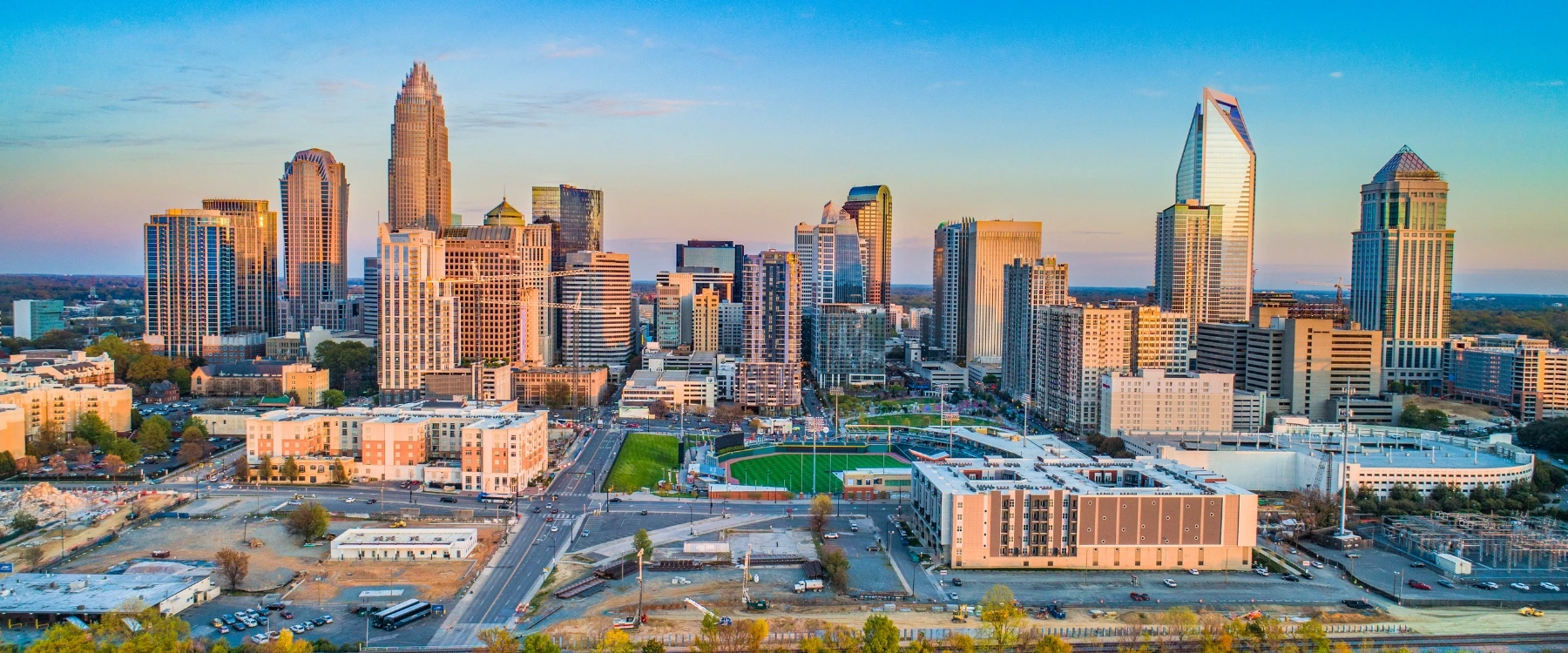
North America’s iconic metropolises are magnets for travelers seeking the vibrancy of global cities fused with local character. In New York City, the convergence of neighborhoods—from Manhattan’s Midtown skyscrapers to Brooklyn’s creative enclaves—creates an urban mosaic. Begin your exploration at landmarks such as Times Square and Central Park, then dive into boroughs like Queens for multicultural food scenes or the Bronx for cultural heritage sites. Museums like the Metropolitan Museum of Art and the Museum of Modern Art showcase world-renowned collections, while Broadway and off-Broadway productions offer theatrical variety. Culinary adventures range from street-side delis and food trucks to fine dining establishments by acclaimed chefs. New York’s 24/7 energy means neighborhoods transform from daytime sightseeing hubs to evening hotspots brimming with nightlife and live music.Los Angeles, the entertainment capital, merges beach lifestyles with Hollywood glamour. Stroll along Santa Monica Pier at sunset, explore art districts in Downtown LA, and visit historic theaters on Hollywood Boulevard. Beyond celebrity scouting, LA’s neighborhoods such as Silver Lake and Echo Park reveal indie culture, coffee shops, street art, and farm-to-table eateries. Nearby theme parks and studio tours provide behind-the-scenes glimpses, while Malibu and Venice Beach cater to surf and sun enthusiasts. Traffic may shape your schedule, so plan visits strategically—use mornings for coastal drives, afternoons for studio experiences, and evenings for rooftop bars or live performances.Toronto, Canada’s largest city, embodies multiculturalism. Neighbourhoods like Kensington Market and Chinatown highlight diverse immigrant influences, with markets, cafés, and street art reflecting a global palette. The CN Tower offers panoramic views, while Toronto Island Park presents a tranquil escape from urban bustle. Cultural institutions such as the Royal Ontario Museum and Art Gallery of Ontario house significant collections, and performing arts venues host world-class shows. Dining spans from hearty Canadian comfort foods to cutting-edge cuisine influenced by immigrant communities. Seasonal events—film festivals, music concerts, and sports championships—add dynamic elements to any visit. Toronto’s efficient transit system facilitates exploration across city districts.These cities share traits: iconic landmarks, robust arts and entertainment scenes, and culinary landscapes shaped by multicultural populations. Yet each retains unique flavors: New York’s frenetic pace, LA’s laid-back creativity, and Toronto’s inclusive mosaic. Travelers can tailor itineraries: museum-hopping one day, neighborhood food tours the next, followed by live performances or day trips to nearby natural attractions (e.g., Niagara Falls from Toronto). Embrace the rhythm of city life: early mornings at local cafés, afternoons exploring markets or galleries, and evenings soaking in skyline views or live events. By balancing must-see landmarks with off-the-beaten-path discoveries—from hidden bars to community festivals—visitors gain authentic experiences that reflect each city’s heartbeat. Whether it’s the rush of New York’s subway, LA’s coastal vistas, or Toronto’s multicultural neighborhoods, these metropolises exemplify North America’s urban vibrancy, making them essential chapters in any continent-wide journey.

Hidden Urban Gems: Montreal, Seattle & Mexico City

Beyond headline cities lie urban gems whose character rewards deeper exploration. Montreal, in Canada’s Quebec province, blends European flair with North American dynamism. Stroll through Old Montreal’s cobblestone streets, admire historic architecture, and visit Notre-Dame Basilica. The city’s bilingual heritage surfaces in cafés serving both French pastries and North American brunch specialties. Summer festivals—jazz, comedy, and film—fill streets with performances, while winter brings festive markets and ice skating. Mount Royal offers panoramic city views and green space for outdoor activities year-round. Culinary exploration ranges from poutine variations and smoked-meat sandwiches to upscale fine dining emphasizing local produce and creative interpretations. Art galleries, underground music venues, and boutique shops reflect a thriving creative scene.Seattle, nestled between Puget Sound and Lake Washington with the Cascade Range nearby, offers urban sophistication alongside natural beauty. Iconic attractions include Pike Place Market, where fresh seafood and artisanal products mingle with local culture. The Space Needle provides sweeping vistas, and museums such as MoPOP and the Chihuly Garden showcase art and innovation. Coffee culture runs deep—you can trace origins at the original Starbucks and explore independent roasters. Proximity to outdoor escapes like Mt. Rainier and Olympic National Park invites day trips for hiking, kayaking, or wildlife viewing. Seattle’s tech-driven economy ensures modern amenities, yet neighborhoods like Capitol Hill and Fremont preserve eclectic charm through street art, indie boutiques, and craft breweries. Culinary scenes highlight seafood (salmon, oysters) and Pacific Northwest produce, with farm-to-table ethos prevalent.Mexico City, a colossal cultural hub, juxtaposes ancient history with contemporary creativity. Historic center landmarks include the Zócalo and Templo Mayor, echoing Aztec heritage, while colonial-era architecture and grand cathedrals reflect Spanish influences. Modern neighborhoods like Roma and Condesa buzz with art galleries, trendy cafés, and boutiques. The city’s museums—to mention only a few—range from Museo Nacional de Antropología’s extensive pre-Hispanic collections to contemporary art spaces. Street food culture is legendary: tacos al pastor, tlacoyos, and tamales abound at markets and roadside stalls, with prices translating to approximately £1–£2 per item. Fine dining has earned global acclaim, with Mexican chefs innovating on traditional flavors. Traffic and size can challenge logistics, so focus on thematic itineraries: history and archaeology one day, culinary tours another, followed by explorations of artistic and craft communities. Utilizing metro, ride-sharing, and guided tours optimizes time. Mexico City’s evocative blend of past and present, culinary richness, and vibrant neighborhoods makes it a must-visit hidden gem for discerning travelers.These urban gems highlight North America’s capacity to surprise: cities that are less heralded globally but pack rich cultural, culinary, and scenic experiences. Combining visits to headline metropolises with these hidden gems deepens understanding of the continent’s varied urban tapestry. By immersing in local rhythms—market strolls in Montreal, coffee-fueled mornings and mountain vistas from Seattle, or late-night taco hunts in Mexico City—travelers uncover authentic facets that distinguish North America’s cities beyond postcards.
National Parks & Wilderness: Yellowstone to Banff

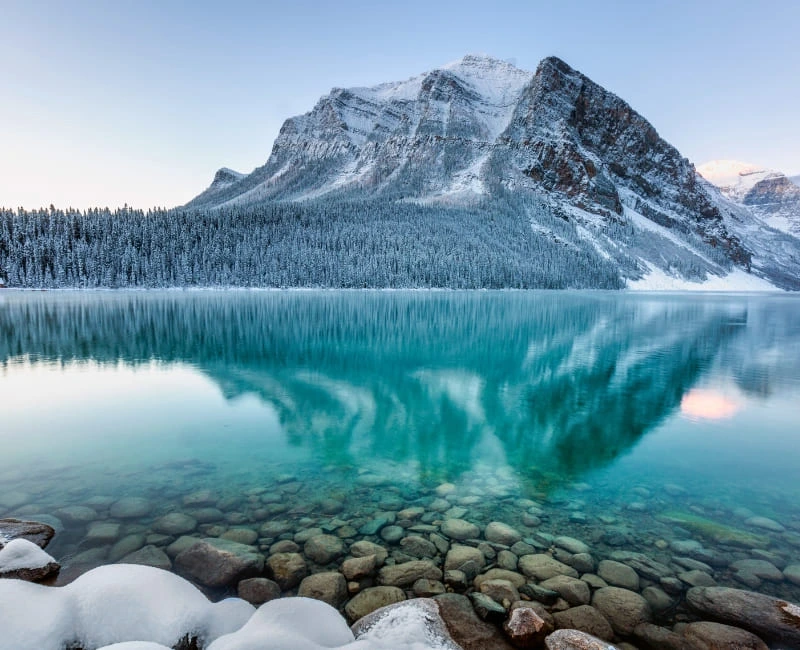
North America boasts a network of national parks and protected wilderness areas that rank among the globe’s most celebrated. Yellowstone National Park, spanning Wyoming, Montana, and Idaho, epitomizes geothermal drama: geysers like Old Faithful erupt regularly, while hot springs and mud pots create surreal landscapes. Wildlife thrives—bison herds roam historic grasslands, wolves and bears inhabit remote regions, and elk gather in valleys. Ranger-led programs and guided tours deepen understanding of ecology and conservation challenges. To fully experience Yellowstone, plan multi-day visits: morning wildlife watching, midday hikes on trails of varying difficulty, and evenings stargazing in low-light zones.Heading north, Banff National Park in Canada’s Alberta province offers dramatically different yet equally compelling scenery. Towering peaks of the Canadian Rockies frame turquoise lakes such as Lake Louise and Moraine Lake. Hiking trails range from gentle lakeside walks to challenging summit routes; backcountry camping immerses adventurers in pristine wilderness. Wildlife encounters include elk, mountain goats, and occasionally bears; following park guidelines ensures safe and respectful observation. Scenic drives like the Icefields Parkway reveal cascading waterfalls, glaciers, and alpine meadows. In winter, Banff transforms into a snow-sports haven, with skiing and snowboarding at world-class resorts, ice skating on frozen lakes, and hot springs for relaxation.Other parks—Grand Canyon in Arizona with its immense carved vistas; Glacier National Park straddling the U.S.-Canada border showcasing jagged peaks and glacial lakes; Yosemite in California with iconic granite cliffs and waterfalls; and lesser-known gems like Great Smoky Mountains on the U.S. East Coast—offer distinct ecosystems and experiences. Each park demands logistical planning: lodging near park entrances can book out months in advance, and seasonal access varies (some roads close in winter). Guided tours, ranger programs, or self-guided exploration with thorough preparation ensure safety and maximize enjoyment.Canada’s vast boreal forests and Arctic regions beckon adventurous travelers seeking remote experiences: northern lights viewing in Yukon, wildlife tours in Churchill (polar bears), or canoe expeditions in Ontario’s lake-studded wilderness. Mexico’s natural parks include volcanic landscapes (Pico de Orizaba region), desert biospheres (Baja coastal reserves), and tropical reserves safeguarding coral reefs and mangroves. These areas often combine cultural encounters with local communities practicing traditional resource stewardship.Responsible travel is key: adhere to Leave No Trace principles, respect wildlife distances, and choose eco-friendly operators. In many parks, sustainable accommodations—eco-lodges, glamping sites, or certified green hotels—minimize environmental impact. Engage in educational offerings: Indigenous-guided experiences share traditional ecological knowledge, enriching appreciation for landscapes and histories. Consider seasonality: summer provides easier access for hiking and camping; fall reveals changing foliage hues; winter invites snow-based activities; spring brings emerging wildlife and fewer crowds.Whether your preference is day hikes from a basecamp or multi-day backcountry treks, North America’s national parks and wilderness areas offer endless possibilities. Plan travel durations according to interests: a focused visit to one park can span 2–4 days, while a circuit of multiple parks may require weeks. Factor in travel between parks—road trips often provide scenic transitions, but domestic flights can bridge larger distances. Ultimately, the diversity—from geothermal wonders of Yellowstone to glacial majesty in Banff—underscores North America’s natural splendor and positions the continent as a premier destination for nature and wilderness enthusiasts.

Coastal Paradises: Pacific Shores & Caribbean Gems

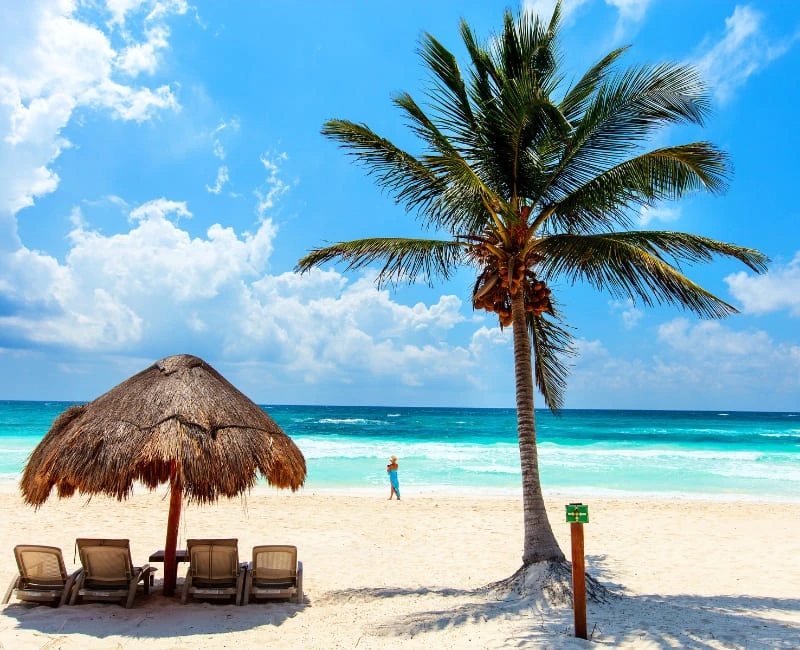
North America’s coastlines range from rugged Pacific seaboards to sun-drenched Caribbean shores, framing diverse seaside experiences. Along the U.S. West Coast, California’s Pacific Coast Highway unveils dramatic cliffs, hidden coves, and scenic towns—Big Sur’s winding roads, Santa Barbara’s Mediterranean ambiance, and San Diego’s surf culture illustrate coastal variety. Oregon and Washington states offer temperate rainforests meeting ocean vistas, with tide pools teeming with marine life and lighthouse-studded headlands. Vancouver Island in Canada combines wilderness beaches, whale-watching opportunities, and indigenous cultural tours. For active travelers, kayaking among sea caves, stand-up paddleboarding in calm bays, or coastal hikes reveal intimate marine ecosystems.Contrasting these temperate shores, the Caribbean region—including Mexico’s eastern coast, the Yucatán Peninsula, and nearby islands—presents turquoise waters and white-sand beaches. Riviera Maya’s cenotes provide unique freshwater swimming amidst ancient limestone sinkholes, while coral reefs offshore invite snorkeling and diving among vibrant marine life. Coastal towns like Tulum blend boutique eco-resorts with Mayan archaeological ruins overlooking the sea. Further east, Caribbean islands offer all-inclusive resorts, vibrant local culture, and varied water sports: from windsurfing in breezy bays to sailing charters exploring hidden coves. Costs convert favorably to British pounds for UK travelers: beachfront accommodations sometimes start around £80–£120 per night in shoulder seasons, with meals at seaside eateries often around £10–£20 per person.In the Gulf Coast regions of the U.S., beaches in Florida and Texas provide warm waters and family-friendly resorts; wildlife tours include dolphin spotting and bird sanctuaries. East Coast beaches from the Carolinas to New England vary seasonally: summer brings popular boardwalk destinations; autumn offers quieter shores with crisp air and migrating birdwatching. Atlantic Canada’s Bay of Fundy region showcases unique tidal phenomena and coastal cliffs. For colder-climate coastal experiences, Alaska’s fjords and Canadian Arctic archipelagos introduce remote cruises and expedition-style voyages to witness glaciers, marine mammals, and rugged wilderness.Coastal travel logistics depend on region and season: West Coast benefits from temperate summers but can be cooler and foggy; Caribbean and Gulf Coast feature hurricane seasons—plan travel in safe windows (e.g., November to April for many Caribbean destinations). Book accommodations and tours in advance during high seasons. Coastal activities often require minimal gear if renting locally; eco-friendly operators promote reef conservation and sustainable practices. Whether seeking surfing and coastal road trips on the Pacific, snorkeling in Caribbean reefs, or wildlife cruises in Alaska, North America’s coastal paradises cater to diverse preferences. These shores complement inland adventures, allowing travelers to combine mountain treks with beach relaxation or city visits with seaside escapes, showcasing the continent’s multifaceted appeal.

Destination

North America’s Indigenous cultures represent millennia of histories, knowledge systems, and artistic traditions intimately tied to the land. From the First Nations of Canada to Native American tribes in the United States and Indigenous communities in Mexico, travelers can engage in respectful cultural journeys that illuminate ancestral connections and resilience. Many regions offer guided experiences led by Indigenous hosts: cultural centers, museums curated in collaboration with communities, and immersive tours on traditional lands share stories of creation, language revivals, and contemporary art expressions.In Canada, destinations like British Columbia’s Haida Gwaii or the Yukon host experiences demonstrating traditional crafts—wood carving, weaving, and storytelling—often accompanied by explanations of sustainable relationships with ecosystems. Powwows and cultural festivals invite visitors to observe or sometimes respectfully participate in dance, music, and rituals, fostering cross-cultural understanding. In the United States, reservations such as those in the Southwest (e.g., Navajo Nation) open opportunities for guided visits to sacred sites, demonstrations of pottery or jewelry-making traditions, and learning about land stewardship practices. Educational tours often cover historical contexts: the impacts of colonization, efforts toward cultural preservation, and revitalization of languages.Mexico’s Indigenous heritage is visible in regions like Oaxaca, Chiapas, and Yucatán, where communities maintain traditional weaving, pottery, and culinary practices passed through generations. Participating in textile workshops or cooking classes led by Indigenous artisans connects travelers to daily life traditions. Festivals still rooted in Indigenous calendars and beliefs—sometimes syncretized with later influences—offer vibrant celebrations of identity. Travelers should approach with cultural sensitivity: adhere to guidelines, request permission for photography, purchase authentic handicrafts directly from artisans to support local economies, and avoid exploitative “staged” performances.Many museums and cultural institutions across North America are collaborating with Indigenous curators to present balanced narratives. Visiting these institutions enriches understanding of pre-colonial histories and contemporary Indigenous contributions to arts, politics, and environmental movements. Volunteer opportunities or longer stays (e.g., guest stays in community-run lodges) can deepen connections but require advance arrangement and clear communication about purpose and respect for community protocols.By weaving Indigenous heritage into broader itineraries, travelers gain nuanced perspectives on landscapes and societies. For example, a national park visit may include an Indigenous-led talk on ecological knowledge; a city art tour may feature Indigenous contemporary artists; culinary explorations can showcase ancestral ingredients. Such engagements foster meaningful travel that honors stewardship traditions and supports community-led initiatives. Ultimately, cultural journeys rooted in Indigenous perspectives enrich the North America travel experience, transforming visits into opportunities for learning, respect, and solidarity.

Indigenous Heritage & Traditions

Discover world-famous destinations that continue to captivate travelers with their iconic landmarks, rich history, and vibrant cultures. These popular spots offer well-developed tourism infrastructure, diverse accommodation options, and countless activities for every type of traveler. While these destinations attract millions of visitors annually, they maintain their unique charm and continue to offer new experiences even for repeat visitors seeking to uncover hidden layers beyond the main attractions.

Hotel

Indulge in premium accommodation options that offer exceptional service, world-class amenities, and exquisite dining experiences. Luxury hotels provide personalized attention, sophisticated design, and exclusive facilities that transform your stay into a memorable journey. From five-star city hotels to boutique resorts in exotic locations, these properties prioritize guest comfort and satisfaction while offering unique local experiences and impeccable hospitality standards.

Hotel

Find comfortable and affordable lodging options that don't compromise on quality or experience. Budget hotels, hostels, and guesthouses offer excellent value for money while providing clean, safe accommodations in convenient locations. Many budget options feature communal spaces that encourage social interaction, local recommendations from knowledgeable staff, and authentic experiences that allow travelers to stretch their budget further while exploring new destinations.

Join our newsletter
Subscribe to see secret deals prices drop the moment you sign up!

No ads. No trails. No commitments