
Norway

Norway

Norway captivates travelers with its dramatic fjords, striking northern lights, vibrant cultural heritage, and world-class outdoor adventures. Stretching from the temperate south to the Arctic north, Norway offers a unique blend of natural wonders and modern comforts. The West Norwegian Fjords, including Geirangerfjord and Nærøyfjord, are UNESCO World Heritage Sites renowned for their sheer cliffs, cascading waterfalls, and deep waters, providing an immersive fjord exploration experience by boat or kayak. Beyond the fjords, the Arctic regions of Tromsø and Lofoten present opportunities to chase the northern lights from late autumn to early spring, while the midnight sun phenomenon in summer offers endless daylight for hiking, cycling, and wildlife watching above the Arctic Circle .Culturally, Norway weaves Viking heritage, stave churches, and contemporary design into its urban fabric. In Oslo, visitors can explore modern museums, waterfront promenades, and lively neighborhoods, while historic Bergen charms with its Bryggen wharf and gateway to fjord cruises . Local cuisine highlights fresh seafood such as salmon, cod, and Arctic char, complemented by artisanal cheeses and reindeer specialties. Coffee culture is strong even in remote areas, and visitors find that English is widely spoken alongside Norwegian (Bokmål and Nynorsk) .Outdoor enthusiasts will relish Norway’s extensive hiking networks, from Jotunheimen National Park peaks to coastal trails in Lofoten, as well as world-class skiing in winter. Scenic drives, including routes like the Atlantic Road and Trollstigen, and rail journeys such as the Bergen Railway, reveal spectacular vistas. Thermal spas and wellness retreats by fjord shores or mountain lodges offer relaxation after active days. Practical considerations include flying from the UK to Oslo in under 2 hours, traveling in CET/CEST time zones , and budgeting for higher living costs (e.g., a pint costs around £7–£8). Norway’s infrastructure is efficient, with frequent domestic flights, ferries, and well-maintained roads. Whether seeking breathtaking natural scenery, cultural immersion, or adrenaline-fueled activities, Norway delivers an unforgettable travel experience.

Travila Norway Travel Guide

What to know before Travelleing

Paris is known around the world as the “capital of love,” and even if you don't understand the history of Paris at all

Language: Norwegian
Peak Season: June to August(Summer) and December to March(Winter)
Time Zone: UTC+1 (CET)
Currency: Norwegian Krone (NOK)
Travila

2 Hours

Average Flight Time

£7–£8

Price Of Pint
Transport
Best time to visit

Top Destinations in Norway

Oslo Urban & Cultural Highlights

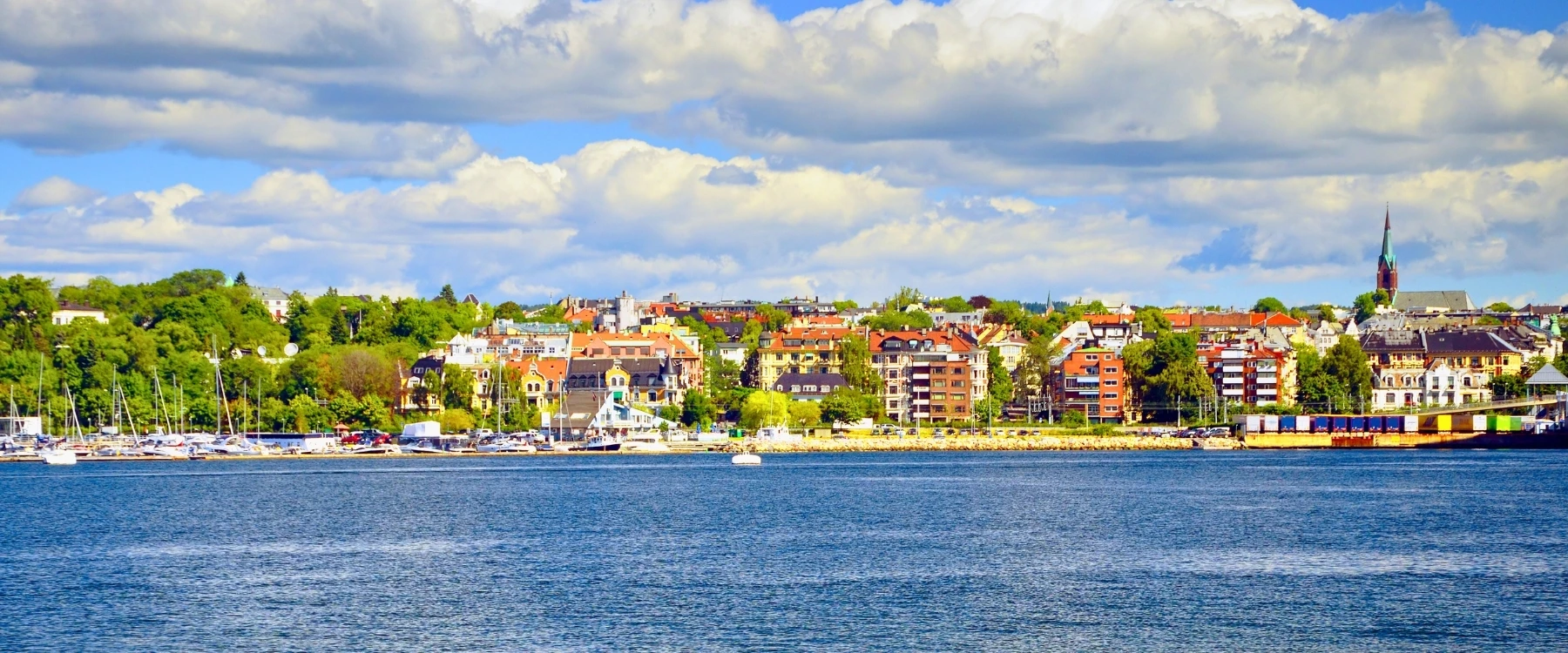
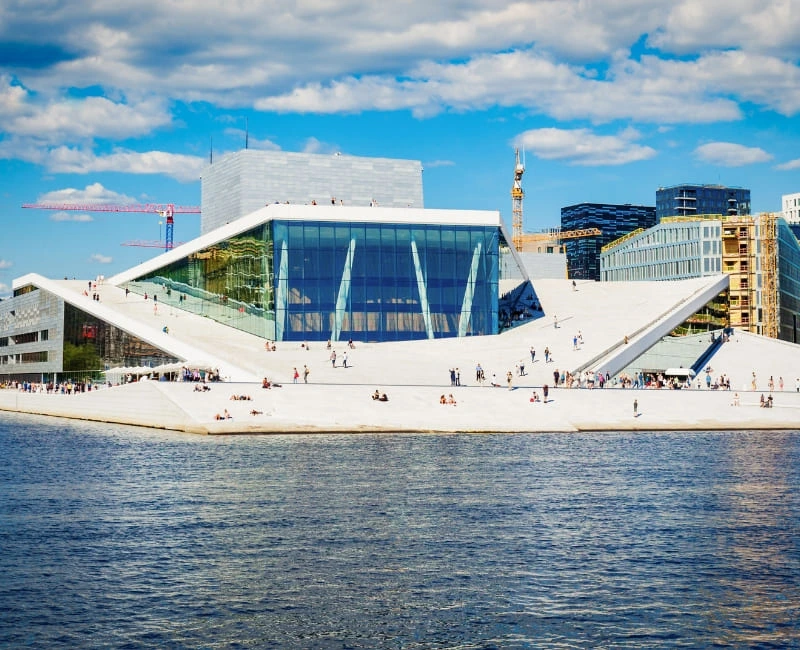
Oslo, Norway’s capital, seamlessly blends contemporary design with historic roots. Begin at Aker Brygge, the revitalized waterfront district where sleek boardwalks overlook the Oslofjord. Enjoy a morning coffee at a quay-side café, then stroll to the nearby Astrup Fearnley Museum—a striking Renzo Piano–designed building housing contemporary art. From here, head north along Karl Johans gate, Oslo’s main boulevard: admire the 19th-century Royal Palace, wander through leafy Slottsparken, and window-shop along bustling pedestrian streets lined with boutiques and bakeries.For history enthusiasts, the Viking Ship Museum on Bygdøy peninsula showcases impeccably preserved 9th-century longships and burial artifacts, transporting visitors to the Viking Age. A short walk brings you to the Kon-Tiki Museum and Fram Museum, where polar exploration vessels tell tales of heroic Arctic expeditions. Return to the city center via ferry on the Oslofjord—an idyllic eight-minute crossing offering skyline views.Oslo’s architectural marvels include the Opera House, its gleaming white roof rising from the water and inviting you to climb and survey the harbor. Inside, catch a matinee performance or join a guided tour to learn about Norwegian opera traditions. Nearby, the Munch Museum holds an extensive collection of Edvard Munch’s pivotal works, including multiple versions of The Scream.Culinary exploration in Oslo ranges from casual food halls like Mathallen, where local purveyors offer seafood, cheeses, and reindeer sausage, to Michelin-starred establishments reimagining Nordic cuisine with foraged ingredients. Afternoon fika at a minimalist coffee bar highlights Norway’s specialty-coffee culture, while evening cocktails in the trendy Grünerløkka district reveal Oslo’s vibrant nightlife. This former working-class neighborhood now buzzes with street art, craft breweries, and pop-up galleries.Green spaces are always within reach: relax in Vigeland Sculpture Park, where hundreds of bronze and granite sculptures by Gustav Vigeland populate an open park, or cycle along forested trails in Nordmarka, just a short subway ride away. Whether your interests lean toward art, history, design, or gastronomy, Oslo offers a compact, walkable itinerary that encapsulates Norway’s progressive spirit and deep cultural heritage.
Bergen & Gateway to the Fjords

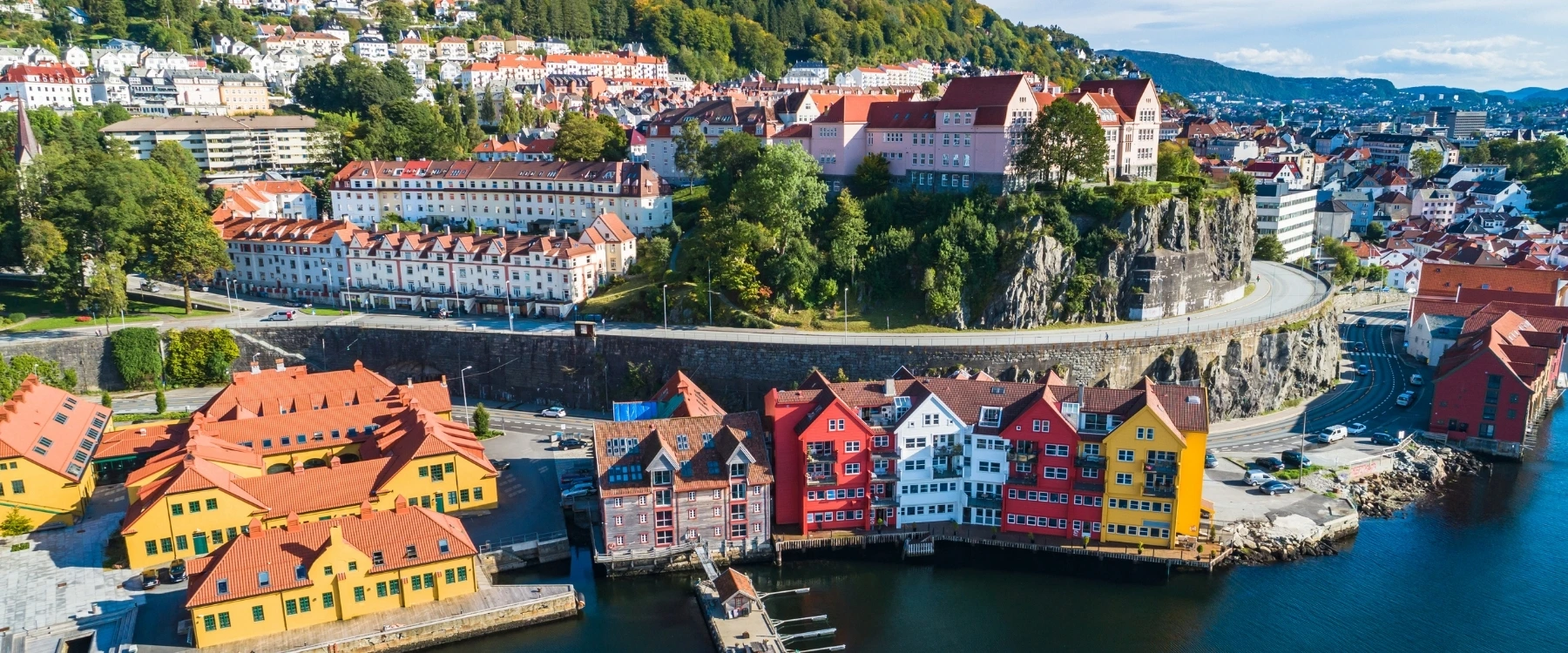
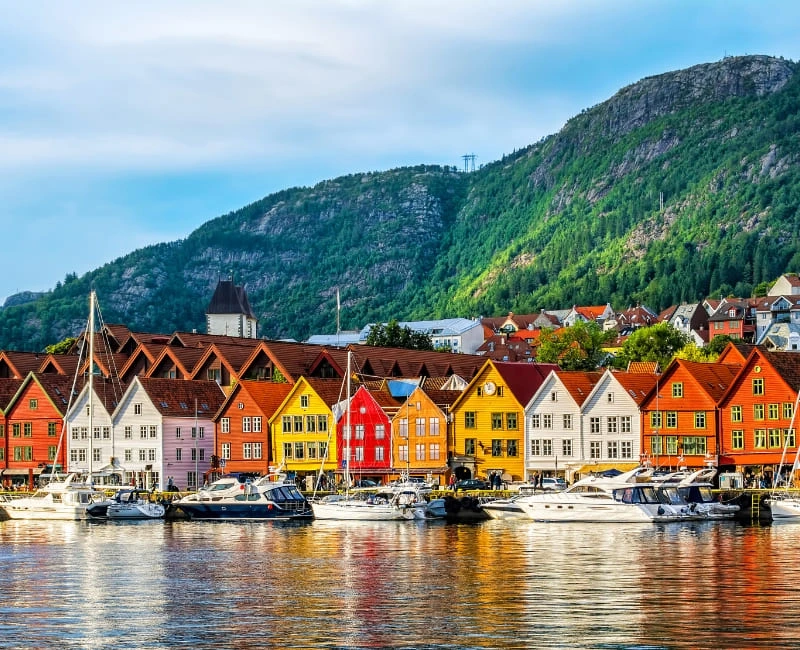
Bergen, Norway’s “Gateway to the Fjords,” is renowned for its UNESCO-listed Bryggen wharf—row upon row of colorful wooden Hanseatic storage houses dating back to the 14th century. Begin your visit with a guided walking tour through these narrow alleys, learning about medieval merchant life and exploring boutique shops selling artisanal crafts and local specialties like smoked salmon and lefse.From Bryggen, hop on the historic Fløibanen funicular to the summit of Mount Fløyen. In under ten minutes, you’ll climb 320 meters to sweeping panoramas of Bergen’s seven surrounding mountains, port, and waterways. At the top, wander family-friendly hiking trails, visit a café offering waffles and hot chocolate, and seek out the occasional troll sculpture hidden among the trees.For deeper mountain exploration, take a short bus to Mount Ulriken, Bergen’s highest peak. Adventurous travelers can hike the scenic Ulriken–Fløyen ridge (approximately five hours round-trip) or ride the Ulriken 643 cable car for 360° fjord and city views. Seasoned skydivers even leap from the top in summer.Back in the city center, delve into Bergen’s maritime past at the HanseaMuseum and the Bergen Aquarium, where local sea life—including seals, penguins, and fish species—are on display. For art aficionados, the KODE Art Museums complex presents works ranging from contemporary installations to Edvard Munch paintings.Bergen’s culinary scene thrives on fresh seafood: join a guided fish-market tour to sample shrimp, oysters, and king crab straight from the docks. In the evening, savor a bowl of hearty fiskesuppe (creamy fish soup) at a waterfront restaurant or book a table at one of Bergen’s top-rated eateries specializing in new Nordic cuisine.Seasonal festivals energize the city: Bergen International Festival in late spring floods the streets with classical music, dance, and theater, while 4th of May—the city’s traditional seafood festival—showcases local catch. Rain is common year-round, so pack a waterproof jacket and embrace Bergen’s moody charm. Whether you’re charting fjord cruises to Sognefjord and Hardangerfjord or exploring cobblestone lanes, Bergen offers a captivating mix of history, nature, and vibrant cultural life.
Nærøyfjord & UNESCO Fjord Cruises

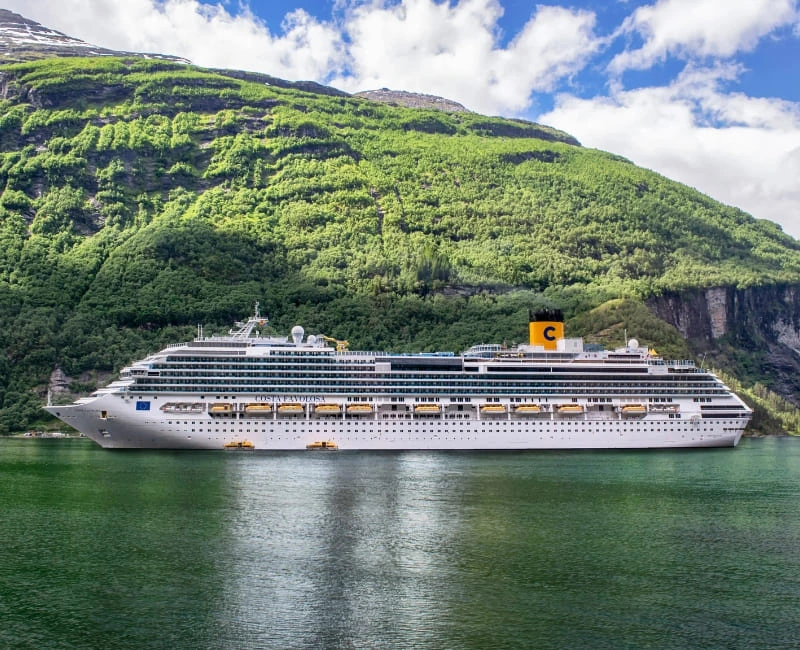
The Nærøyfjord, a UNESCO World Heritage site, is one of the world’s most dramatic fjord landscapes—narrow, steep-walled arms of water carved by glaciers. Most fjord itineraries start in Flåm, accessible by train from Myrdal on the famous Flåm Railway. From Flåm harbor, board a sleek fjord cruise vessel designed to navigate the fjord’s tight passages. As you glide beneath towering cliffs dripping with waterfalls, marvel at water cascading dozens of meters from snow-topped peaks.Cruises range from half-day excursions to full-day voyages combining boat rides with bus segments over the Stalheimskleiva hairpin road or into Gudvangen, a remote village at the fjord’s end. Seasonal variations offer distinct experiences: summer’s lush greenery and long days enable wildlife sightings—sea eagles, seals, and otters—while shoulder-season autumn transforms bare cliff faces into a tapestry of reds, oranges, and golds. Winter cruises provide a serene atmosphere, with frost-glazed rock walls and fewer tourists.In Flåm, supplement your cruise with the Flåm Railway journey: one of the steepest standard-gauge railways globally, it descends from Myrdal station (867 m) to sea level over 20 km, stopping at the spectacular Kjosfossen waterfall, where guides wearing traditional garb perform folk dances on the roaring cascade’s footbridge.Stay in local hytter or the Fretheim Hotel, close to the water’s edge, and rent e-bikes to cycle the Rallarvegen maintenance road—an old construction track—offering expansive views over adjacent fjord arms. Dining options in Flåm and Gudvangen focus on comfort classics: reindeer stew, salmon platters, and locally brewed beer.For ultimate immersion, book a kayaking trip in the fjord’s sheltered inlets or join an eco-tourism operator emphasizing minimal-impact travel and local history. Nærøyfjord exemplifies Norway’s emblematic landscapes—a perfect balance of tranquility, grandeur, and cultural heritage that lingers long after you return to shore.

Lofoten Islands Adventure

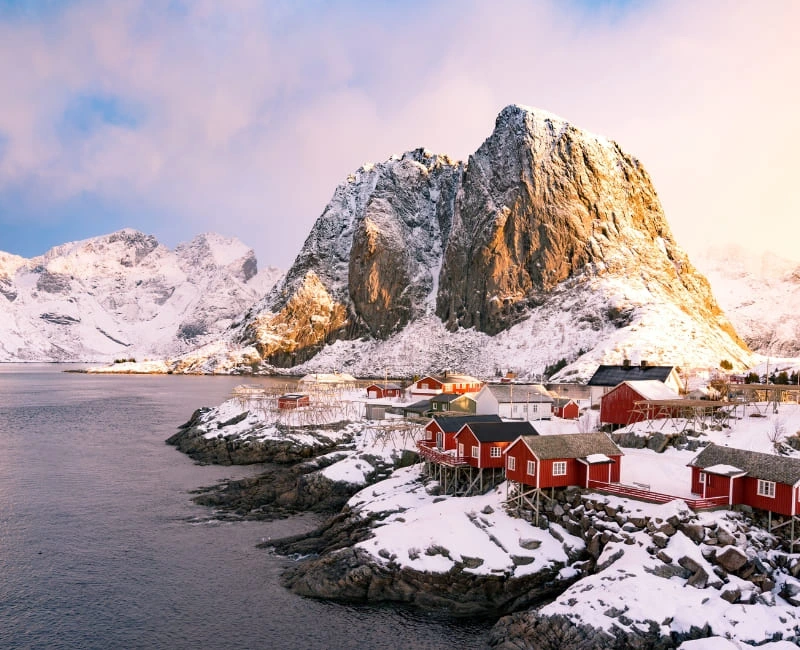
The Lofoten Archipelago, within the Arctic Circle, is famed for jagged peaks rising directly from turquoise waters, quaint fishing villages, and unrivaled access to Arctic nature. Base yourself in Reine, where red rorbuer (fishermen’s cabins) cling to rocky islands, offering front-row seats to vaulted skies during the midnight sun (late May–late July).Spend days hiking trails like Reinebringen, ascending steep switchbacks to panoramic vistas over blue-green fjords. Guided sea-eagle safaris depart from Reine harbor, chasing these magnificent birds as they wheel overhead. Kayaking excursions take you through hidden coves and under rocky knuckles where seals haul out and otters play.Cultural immersion unfolds in the historic fishing village of Nusfjord, one of Norway’s oldest, where reconstructed 19th-century buildings house a museum, gallery, and café serving fresh cod and stockfish. Sample klippfisk, salt-dried cod that’s a Lofoten staple, at local eateries.In winter, Lofoten transforms into a prime northern lights viewing destination—crystal-clear nights yield dancing green curtains against snow-capped peaks. Join a photography workshop to master long-exposure techniques, or opt for guided snow-shoeing under the aurora.Cyclists can tackle multi-day rides on scenic routes like the E10 highway, paused at roadside stands for cloudberry jam and waffles. Cod-fishing trips in March and April let you join local fishermen hauling in today’s catch, forging a deeper connection to Lofoten’s maritime heritage.Artisans in Henningsvær and Svolvær showcase Lofoten creativity—galleries display contemporary paintings, photography, and woodwork inspired by island life. The Lofotr Viking Museum on Vestvågøy offers living history experiences: longhouse banquets, rune-stone replicas, and experimental Viking cooking.Accommodation spans rustic cabins, eco-lodge retreats, and boutique hotels emphasizing local design. Whether chasing dramatic daylight spectacles, exploring remote beaches, or immersing yourself in fishing traditions, Lofoten delivers an unforgettable Arctic island adventure.

Destination

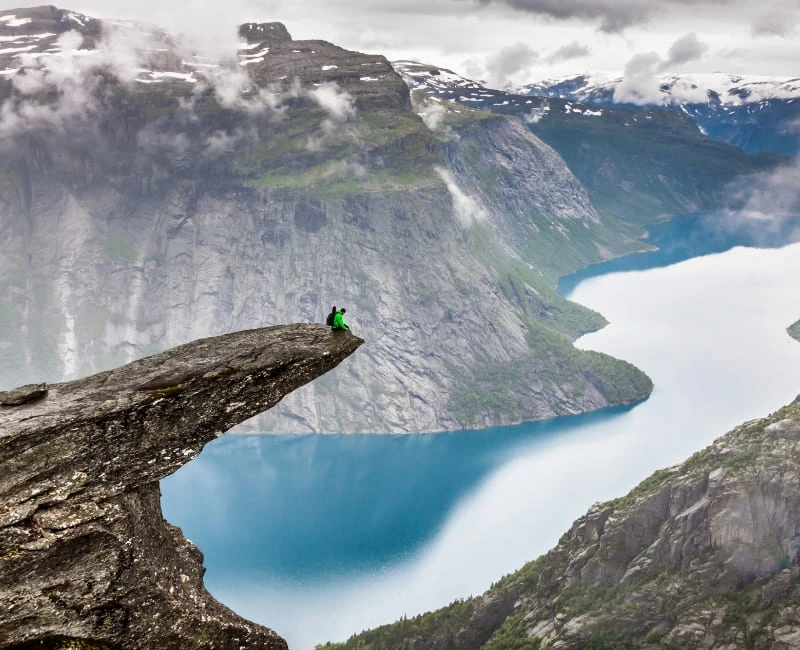
Two of Norway’s most iconic cliff formations—Preikestolen (Pulpit Rock) and Trolltunga (Troll’s Tongue)—draw hikers worldwide with promises of jaw-dropping cliff-edge panoramas.Preikestolen, overlooking Lysefjord near Stavanger, is a moderately challenging 8-km round-trip hike with 350 m of elevation gain. Well-marked trails and stone steps guide you through pine forests and rocky plateaus to the 604-m-high precipice. On a clear day, stand atop the flat-topped cliff for unobstructed views of emerald fjord waters far below. The trail takes 4–5 hours; bring layers, sturdy boots, and water.Trolltunga, near Odda in Hordaland county, presents a far more strenuous adventure: 27 km round-trip and up to 1 200 m of cumulative elevation gain, typically tackled over 10–12 hours. The trail begins at Skjeggedal parking, climbs through alpine meadows, and skirts glacial tarns before reaching the horizontal rock jutting 700 m above Ringedalsvatnet. Early June to mid-September offers the safest conditions—snow can linger into summer, making later-season hikes more hazardous without mountaineering experience.Both hikes reward effort with unforgettable vistas but demand thorough preparation: check weather forecasts (fares can shift rapidly in fjord regions), register with local tourist offices when available, and pack food, plenty of water, a first-aid kit, and a map or GPS device. During high season, trails can become crowded; consider sunrise or weekday start times to avoid peak foot traffic.Several guided-hiking companies operate multi-day tours that include transport, meals, and accommodations in mountain lodges—ideal for first-time visitors seeking extra support. For independent trekkers, accommodation options range from hostels in Odda and Sognefjord to camping areas near trailheads.Whether you opt for the half-day challenge of Preikestolen or the epic all-day journey to Trolltunga, these hikes epitomize Norway’s rugged beauty—sheer cliffs, sapphire waters, and a tangible sense of wilderness that lingers long after you step off the rocks.

Trolltunga & Preikestolen Hikes

Discover world-famous destinations that continue to captivate travelers with their iconic landmarks, rich history, and vibrant cultures. These popular spots offer well-developed tourism infrastructure, diverse accommodation options, and countless activities for every type of traveler. While these destinations attract millions of visitors annually, they maintain their unique charm and continue to offer new experiences even for repeat visitors seeking to uncover hidden layers beyond the main attractions.

Hotel

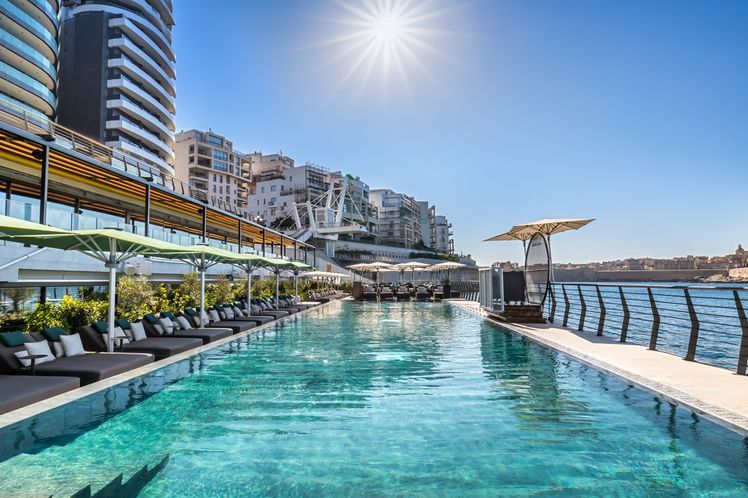
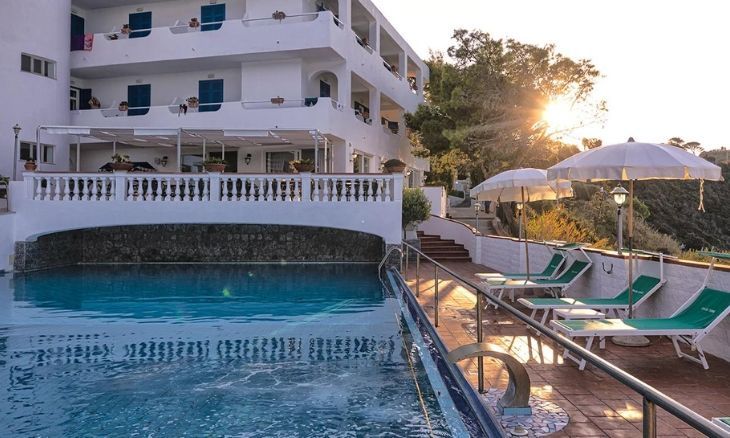
Indulge in premium accommodation options that offer exceptional service, world-class amenities, and exquisite dining experiences. Luxury hotels provide personalized attention, sophisticated design, and exclusive facilities that transform your stay into a memorable journey. From five-star city hotels to boutique resorts in exotic locations, these properties prioritize guest comfort and satisfaction while offering unique local experiences and impeccable hospitality standards.

Hotel

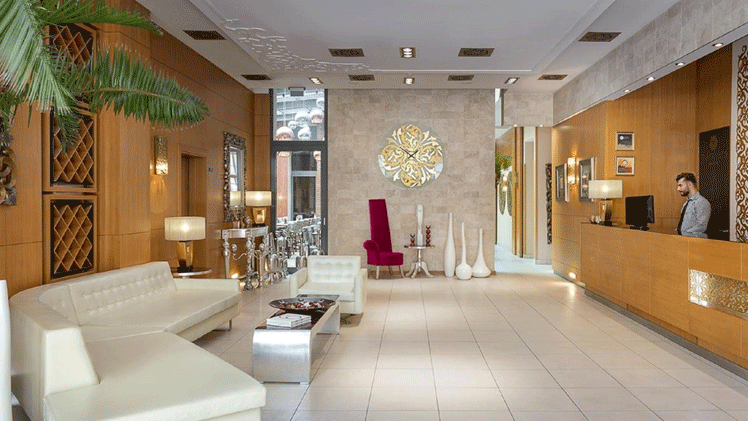
Find comfortable and affordable lodging options that don't compromise on quality or experience. Budget hotels, hostels, and guesthouses offer excellent value for money while providing clean, safe accommodations in convenient locations. Many budget options feature communal spaces that encourage social interaction, local recommendations from knowledgeable staff, and authentic experiences that allow travelers to stretch their budget further while exploring new destinations.

Join our newsletter
Subscribe to see secret deals prices drop the moment you sign up!

No ads. No trails. No commitments