
Oman

Oman

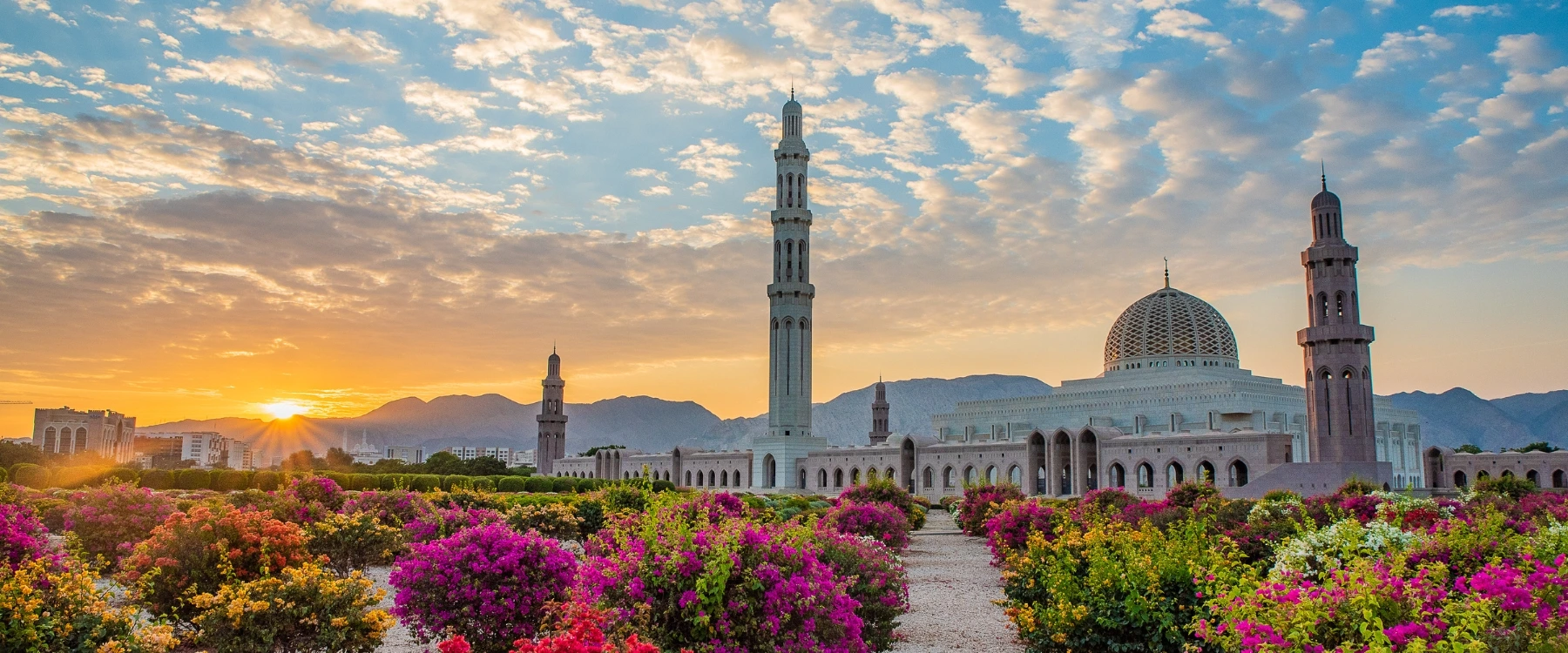
Oman, located on the southeastern coast of the Arabian Peninsula, is a land of dramatic contrasts and timeless traditions that beckons travelers with its rich tapestry of landscapes and culture. Dominating the horizon in the north are the rugged peaks of the Al Hajar Mountains, their limestone ridges carved into deep canyons and plateaus. Here, terraced villages cling to cliff faces: Jebel Akhdar, the “Green Mountain,” bursts with pomegranate orchards and rose gardens in spring, while Jebel Shams—the “Mountain of the Sun”—offers hikers the Grand Canyon of Arabia, a breathtaking chasm etched over millennia.To the south, the Sharqiya Sands (Wahiba Sands) unfold in rolling dunes that shift with the wind’s whim. Visitors can experience Bedouin hospitality in desert camps, embark on 4×4 dune safaris at sunset, and spend nights under a blanket of stars, accompanied by the crackle of a campfire and the scent of cardamom coffee. Cooler mornings invite camel trekking and falconry demonstrations, preserving traditions at the heart of Omani identity.Oman’s coastline stretches for over 3,000 kilometers along the Arabian Sea and the Gulf of Oman. In the north, Muscat, the capital city, harmonizes ancient and modern. The imposing white walls of Al Jalali and Al Mirani forts guard the entrance to Muscat Harbor, while the soaring minarets of the Sultan Qaboos Grand Mosque—with its hand-woven Persian carpet and crystal chandeliers—reflect contemporary Islamic architecture at its finest. Along the waterfront, the Mutrah Corniche leads to the bustling Mutrah Souk, where frankincense, Omani silver, and handwoven textiles tempt the senses.Further south, the coastal plain around Salalah transforms into a verdant oasis during the monsoon-like Khareef season (June–September). Waterfalls, mist-shrouded hills, and emerald pastures create an unexpected contrast to the surrounding desert. The city’s ancient frankincense trade routes are celebrated at the Al Baleed Archaeological Park, a UNESCO World Heritage site.Inland oases such as Nizwa—with its circular fort and lively Friday cattle market—offer glimpses into efflorescent souks and traditional craftsmanship. Nearby, the abandoned village of Al Hamra and the smoke-covered ruins of Misfat al Abriyeen preserve centuries-old mud-brick homes and falaj irrigation systems, UNESCO-recognized feats of ancient engineering.Oman’s waters teem with life: the Daymaniyat Islands form a protected marine reserve where world-class diving and snorkeling unveil colorful coral gardens and sea turtle nesting sites. Along remote beaches, hawksbill and green turtles lay their eggs, and conservation programs allow guests to participate in hatchling releases.Omani hospitality is legendary. Guests are offered kahwa (spiced coffee) and dates upon arrival, and family-run wadi retreats provide farm-to-table experiences featuring shuwa (slow-cooked lamb) and fragrant rice infused with saffron and nuts. The government’s commitment to sustainable tourism ensures that roads are well-maintained, infrastructure supports eco-friendly lodges, and cultural heritage is safeguarded.Whether seeking adrenaline-pumping canyon hikes, cultural immersion in centuries-old towns, or serene seaside repose, Oman delivers a uniquely authentic Arabian journey—one that lingers in memory long after departure.

Travila Oman Travel Guide

What to know before Travelleing

Paris is known around the world as the “capital of love,” and even if you don't understand the history of Paris at all

Language: Arabic
Peak Season: October to April
Time Zone: UTC+4
Currency: Omani Rial (OMR)
Travila

7 Hours

Average Flight Time

£8

Price Of Pint
Transport
Best time to visit
Desert Adventures in the Sharqiya Sands

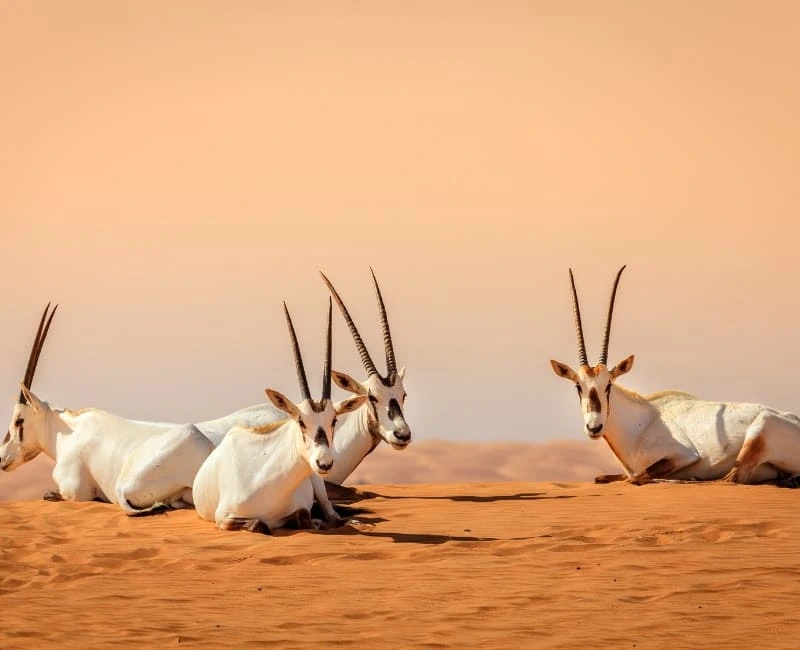
 The Sharqiya Sands, also known as Wahiba Sands, stretch across more than 12,500 km² of ever-shifting golden dunes. This vast desert offers both high-octane thrills and serene solitude. Most visitors journey from Muscat or Sur in sturdy 4×4 convoys driven by Bedouin guides, whose intimate knowledge of the dunes—passed down through generations—ensures both safety and discovery.At dawn, the dunes glow copper as the first sunlight paints each crest. Early-morning dune bashing sends vehicles careening down steep slopes, while more leisurely camel treks retrace ancient caravan routes under a vast sky. Guides pause at vantage points to demonstrate traditional desert navigation: reading wind patterns and using the sun’s position.As midday heat builds, retreat to a Bedouin camp where you can learn about nomadic life—weaving palm-frond mats, tasting sweet camel’s milk, or trying on traditional dishdashas. The camp kitchen prepares majboos (spiced rice with lamb or chicken) over an open fire. In the afternoon, test your balance with sandboarding down steep dunes or join in falconry demonstrations featuring majestic saker falcons.Nightfall brings the desert’s crowning glory: a crystal-clear canopy of stars. Camps offer simple yet comfortable seating around a bonfire, where guides recount desert legends while guests gaze upward at the Milky Way. Photography enthusiasts capture long-exposure shots of star trails and the faint glow of distant Bedouin lanterns.Despite its harsh appearance, the Sharqiya supports resilient wildlife. Keep an eye out for Arabian oryx, desert foxes, and lizards darting across hot sand. Camps emphasize sustainability—solar lighting, biodegradable toiletries, and strict leave-no-trace policies.Best visited October–April, when daytime temperatures hover between 20–30 °C, the desert is at its most hospitable. Summer months require very early starts or evening activities to avoid 40 °C+ heat. Whether seeking adrenaline, cultural immersion, or contemplative quiet, the Sharqiya Sands deliver an unforgettable slice of Omani heritage and natural beauty.
Mountain Treks in Jebel Akhdar & Jebel Shams

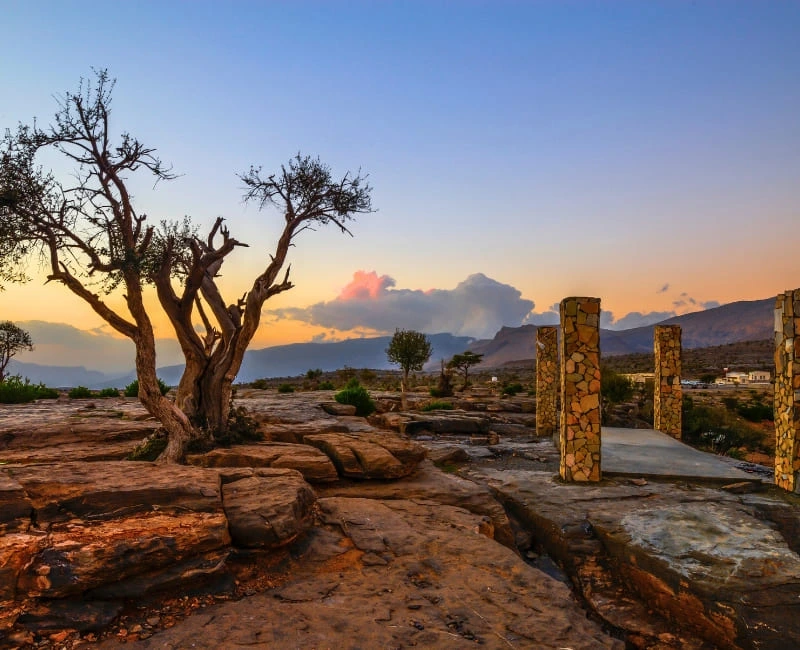
 Oman’s Al Hajar Mountains defy desert stereotypes, rising above 3 000 m with climate zones that support orchards, villages, and alpine trails. Two standout peaks—Jebel Akhdar (“Green Mountain”) and Jebel Shams (“Sun Mountain”)—offer distinct trekking experiences.Jebel Akhdar, accessed via winding roads from Nizwa, sits at 2 000–2 500 m. Its cooler microclimate nurtures terraced orchards of pomegranates, apricots, and roses. Spring (March–May) blankets these terraces in wildflowers. Hikers can choose from easy village-to-village routes—passing stone-built hamlets and ancient falaj irrigation canals—to more challenging ridge walks combining 360° views of deep wadis. Local guesthouses, often family-run, serve home-cooked Omani meals and tea infused with rosewater—perfect after a day’s exertion.By contrast, Jebel Shams, Oman’s highest summit at 3 009 m, commands awe with its dramatic Wadi Nakhr canyon (“Grand Canyon of Arabia”). The Balcony Walk traces the rim, offering dizzying overlooks as deep as 1 500 m. For seasoned trekkers, multi-day expeditions descend into the canyon floor, camping beside seasonal pools and basalt walls. Clear, high-altitude air yields excellent stargazing; thermal gear is essential as nighttime temperatures in winter can drop below 0 °C.Birdwatchers may spot Arabian partridges and raptors riding canyon thermals. Botanical enthusiasts discover endemic plants clinging to rocky ledges. For deeper cultural insight, engage a local guide fluent in mountain lore, falaj engineering, and Omani rural crafts—some villages distill rosewater or weave goat-hair textiles.Safety and logistics hinge on seasonal conditions. October–April offers stable weather and comfortable daytime temperatures (10–25 °C). Summer months remain popular on Akhdar for farmers escaping coastal heat, but trails can be dusty and water scarce. Always carry layers, sun protection, ample water, and a GPS or local guide.These mountain treks showcase Oman’s geographic diversity: from verdant high-altitude gardens and ancient water channels to stark canyons worthy of world-class acclaim. Whether seeking moderate hikes amid fruit blossoms or epic canyon adventures, Jebel Akhdar and Jebel Shams deliver transformative experiences in the heart of Arabia.
Historic Forts and Souks of Muscat & Nizwa

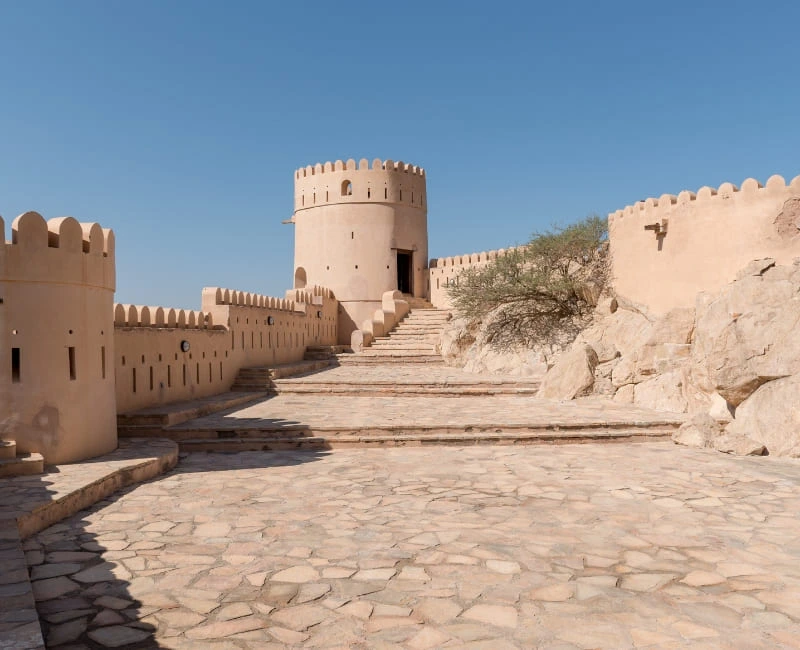
 Oman’s cultural heartbeat pulses in its sprawling forts and vibrant traditional markets. In Muscat, the twin hilltop fortresses Al Jalali and Al Mirani—originally built by the Portuguese in the 16th century—stand sentinel over the harbor. Their robust stone walls, hidden passageways, and spiral staircases speak to centuries of maritime defense. Nearby, the Sultan Qaboos Grand Mosque dazzles with a 218 ft. minaret, a 40 000-sq-ft. hand-woven carpet, and Swarovski-crystal chandeliers; non-Muslim visitors are welcome outside prayer times, providing a window into contemporary Islamic artistry.Stroll the Mutrah Corniche to the Mutrah Souk, one of Arabia’s oldest bazaars. Labyrinthine alleys brim with frankincense —Oman’s most prized export—alongside myrrh, silver khanjars (daggers), handwoven textiles, and intricate fabrics. Engaging in the art of bargaining reveals local social nuances, while sampling sweets like halwa (rose-scented gelatinous confections) and sipping spiced kahwa offer sensory immersion.Further inland, Nizwa—Oman’s 17th-century capital—centers on its imposing circular fort, whose 30 m-high tower offers panoramic views over palm-lined oases and the rugged Hajar backdrop. Beneath, the Nizwa Souk thrives on Fridays with the famous goat market, where farmers trade livestock in an animated tradition. Surrounding stalls showcase exquisite silver bracelets, pottery, and hand-carved incense burners.Guided tours by historians or local storytellers enliven these monuments, explaining architectural nuances—such as secret chambers and defensive loopholes—and recounting tales of trade routes linking Oman to Persia, East Africa, and beyond. Restoration efforts have balanced preservation with visitor needs, integrating museums that house weapons, maps, and archival photographs.For a hands-on cultural twist, participate in pottery or weaving workshops led by artisans who trace their skills back generations. End your heritage day with a meal in a restored fort courtyard: savor shuwa (slow-roasted lamb wrapped in date palm fronds) and mishkak (grilled skewers) under festoon lights.Visit during cooler hours—early morning or late afternoon—for comfortable exploration and optimal photography. Special events, such as the Nizwa Cultural Festival, bring forts and souks to life with musical performances, camel races, and candlelit illumination. Exploring Muscat and Nizwa’s forts and souks weaves together Oman’s threads of defense, trade, craftsmanship, and hospitality into an unforgettable cultural tapestry.

Frankincense Route & Dhofar Heritage

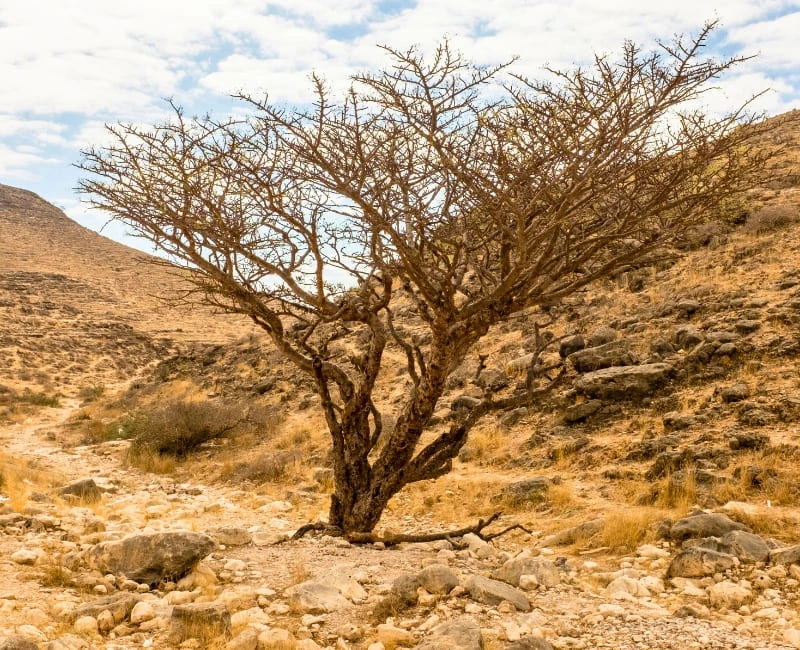
 Oman’s Dhofar region, centered on Salalah, is the historic heart of the frankincense trade, once as valuable as gold. The Frankincense Route, a network of caravan trails stretching from Dhofar northward, carried aromatic resin harvested from Boswellia sacra trees to ancient markets in Rome, Egypt, and India. Today, travelers retrace these paths to discover Dhofar’s unique blend of history, monsoon-nurtured landscapes, and cultural traditions.Begin in Salalah, where the Museum of the Land of Frankincense chronicles resin’s botanical, economic, and cultural significance. Exhibits display ancient shipping amphorae, resin-tapping tools, and interactive maps of trade corridors. A short drive leads to Wadi Dawkah, a UNESCO World Heritage site and vast grove of wild frankincense trees. Walk among gnarled trunks, learn sustainable tapping methods from local harvesters, and sample freshly extracted resin—its citrusy-woody aroma lingering on your fingers.During the Khareef (monsoon) season, roughly June–September, Dhofar transforms into a lush, mist-draped paradise. Waterfalls cascade down emerald hills, pastures sprout wild herbs, and traditional Kharif festivals celebrate the bounty with music, dancing, and tribal gatherings. Cooler temperatures (20–25 °C) and light drizzle create a refreshing contrast to northern Oman’s desert heat.Journey west to Sumhuram Archaeological Park, the ancient port of Khor Rori, where excavated city walls and warehouses reveal the region’s maritime prowess. Nearby Taqa, with its 17th-century fortress and sea-cliff tombs, showcases local architecture and burial customs.Coastal experiences include Ras al Jinz Turtle Reserve, where guided nocturnal walks witness endangered green turtles nesting on moonlit beaches. Visitors learn about conservation efforts and may assist in hatchling releases at dawn.Culinary traditions in Dhofar deserve exploration: try khubz rissi (flatbread stuffed with goat meat), fish safi (spice-marinated grilled fish), and frankincense-infused tea. Family-run farms in the nearby mountains offer date and banana plantations, where guests sample fresh fruit and learn irrigation techniques adapted to monsoon patterns.Accommodation ranges from beachfront resorts to eco-lodge camps under frankincense canopies. Travel logistics include domestic flights from Muscat or scenic overland journeys crossing desert landscapes.By tracing the Frankincense Route and experiencing Dhofar’s monsoon magic, travelers gain intimate insight into Oman’s ancient wealth and the region’s ecological marvel, where incense trees, tribal traditions, and seasonal rains converge in a unique cultural tapestry.

Destination

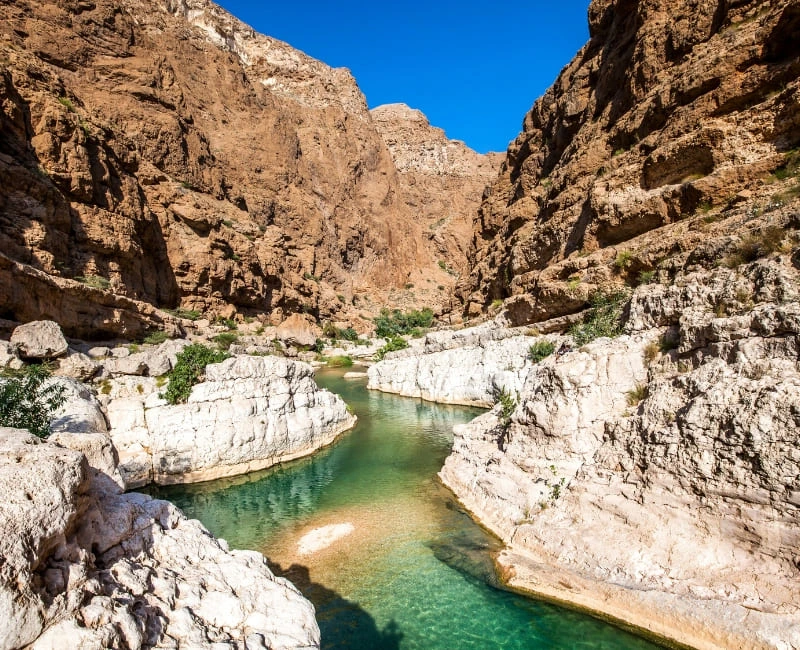
 Oman’s wadis—ephemeral riverbeds etched into limestone—deliver heart-racing canyoning, trekking, and swimming adventures. Wadi Shab and Wadi Tiwi, straddling the eastern coast between Muscat and Sur, welcome day trippers with gentle approaches: a 20-minute hike through palm groves leads to crystal-clear pools and cascading waterfalls. Guided canyoning tours navigate rocky steps, hidden tunnels, and swims across aquamarine basins to reach secluded grottoes. Life jackets, helmets, and waterproof backpacks ensure safety as water levels fluctuate with seasonal rains.Further inland, Wadi Bani Awf and Wadi Nakhr challenge seasoned adventurers: narrow gorges with steep ascents and descents demand sturdy footwear, ropes, and local expertise. Multi-day expeditions allow trekkers to camp under cliff overhangs beside ephemeral pools and navigate via GPS or experienced guides fluent in canyon dynamics. Timing is crucial—winter rains fill pools and enhance waterfalls, but summer heat necessitates early starts.Beyond wadis, Oman offers off-road desert safaris through Sharqiya Sands and southern deserts. Licensed 4×4 tours deliver dune bashing, sandboarding, and overnight Bedouin camps, complete with traditional meals and starlit storytelling. In the mountains, hiking in Jebel Shams and Jebel Akhdar provides altitude training and panoramic views.Oman’s coastal frontier invites snorkeling and scuba diving in the Daymaniyat Islands Marine Reserve, where conservation-focused operators showcase vibrant coral reefs, turtles, and reef sharks. Dolphin-watching excursions depart Muscat’s marina, often sighting spinner dolphins in open waters. Traditional dhow cruises blend cultural immersion and sport fishing, while kite-surfing and windsurfing take advantage of reliable coastal winds near Salalah and Muscat.For aerial thrills, paragliding from mountain ridges and rock-climbing in designated crags offer fresh perspectives on Oman’s topography. All activities emphasize responsible practices: respecting wildlife, minimizing waste, and employing certified guides to ensure sustainable, safe adventures.Whether you’re canyoning through lush gorges, desert racing across dunes, or diving among coral gardens, Oman’s diverse terrains cater to every adventurer—combining natural spectacle with cultural depth in an experience unlike any other.

Wadi Canyoning & Mountain Excursions

Discover world-famous destinations that continue to captivate travelers with their iconic landmarks, rich history, and vibrant cultures. These popular spots offer well-developed tourism infrastructure, diverse accommodation options, and countless activities for every type of traveler. While these destinations attract millions of visitors annually, they maintain their unique charm and continue to offer new experiences even for repeat visitors seeking to uncover hidden layers beyond the main attractions.

Hotel

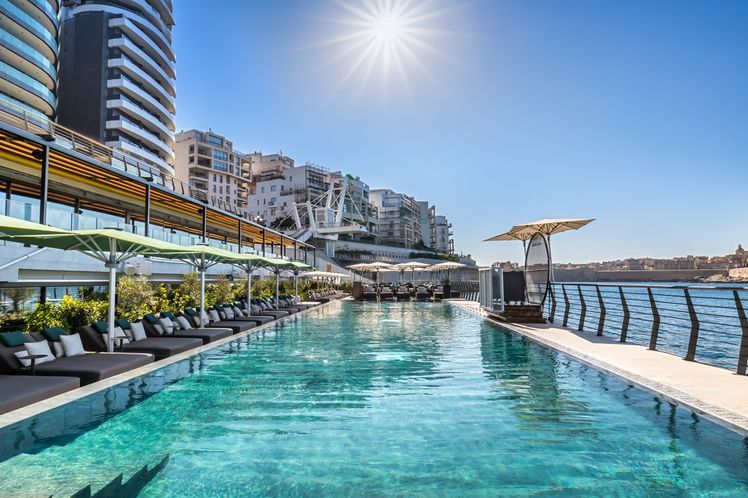
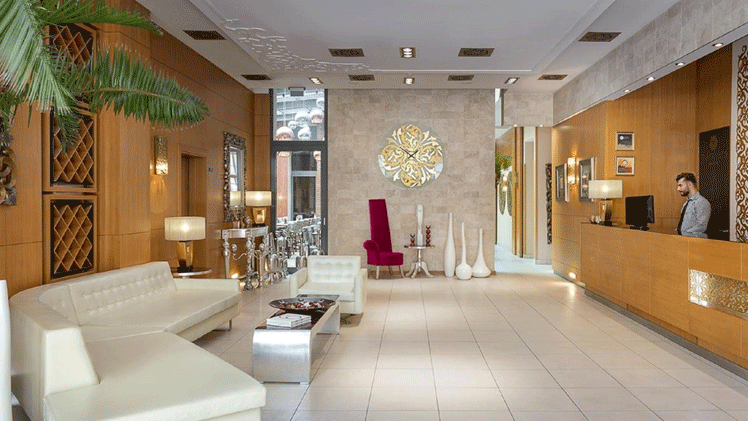
Indulge in premium accommodation options that offer exceptional service, world-class amenities, and exquisite dining experiences. Luxury hotels provide personalized attention, sophisticated design, and exclusive facilities that transform your stay into a memorable journey. From five-star city hotels to boutique resorts in exotic locations, these properties prioritize guest comfort and satisfaction while offering unique local experiences and impeccable hospitality standards.

Hotel

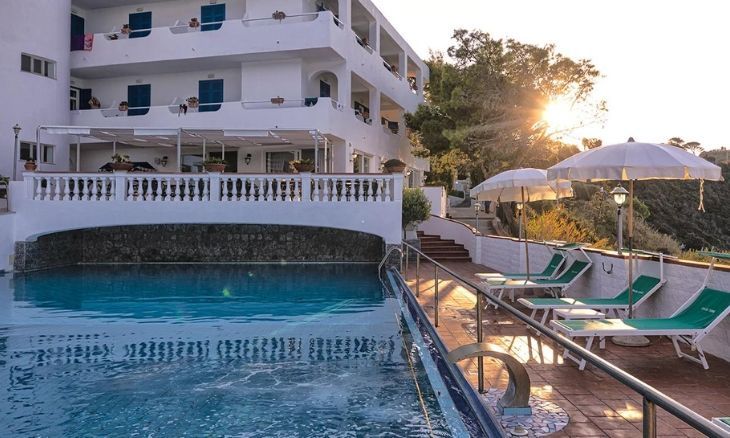
Find comfortable and affordable lodging options that don't compromise on quality or experience. Budget hotels, hostels, and guesthouses offer excellent value for money while providing clean, safe accommodations in convenient locations. Many budget options feature communal spaces that encourage social interaction, local recommendations from knowledgeable staff, and authentic experiences that allow travelers to stretch their budget further while exploring new destinations.

Join our newsletter
Subscribe to see secret deals prices drop the moment you sign up!

No ads. No trails. No commitments