
Poland

Poland

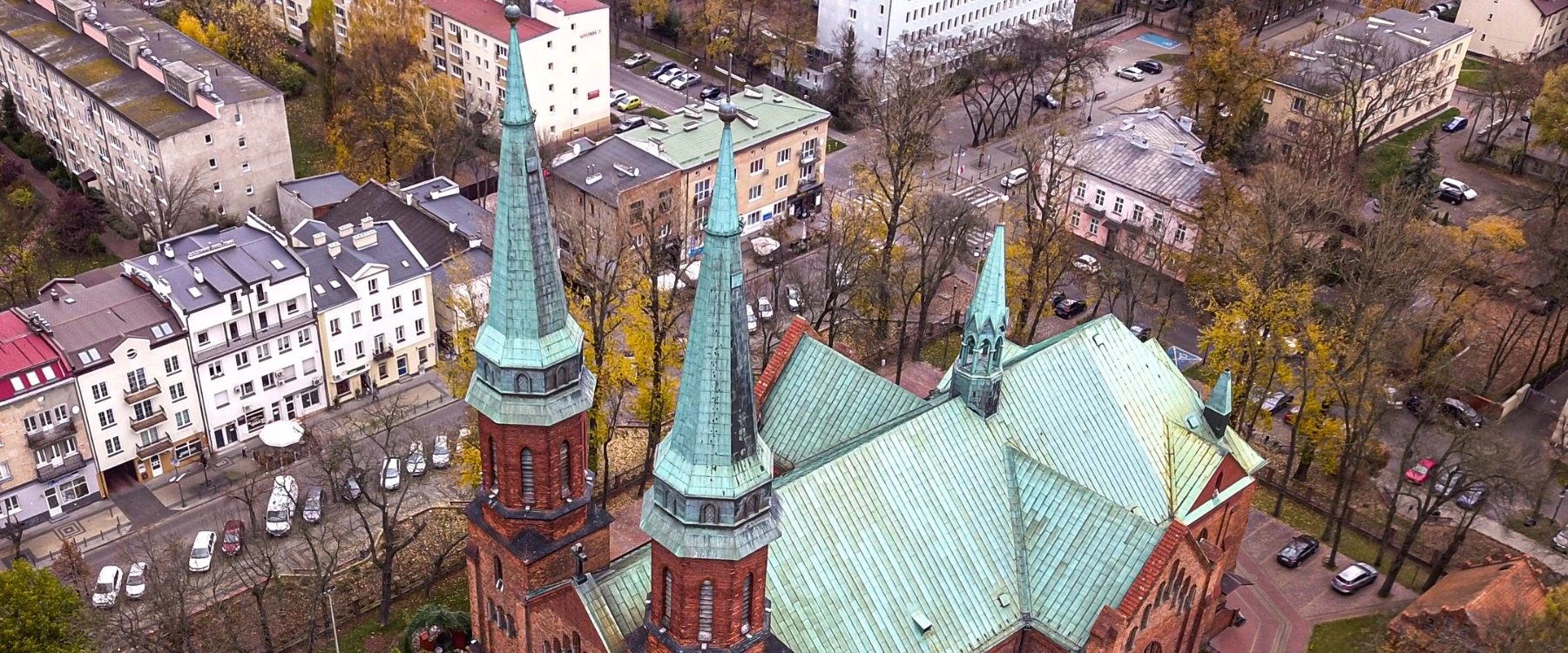
Poland, nestled in the heart of Central Europe, is a land where medieval charm and contemporary energy converge in perfect harmony. Its storied past unfolds in the narrow cobbled lanes of Kraków’s Old Town, where Gothic spires and Renaissance façades stand guard over centuries of royal ceremonies and scholarly pursuits. Just beyond, the majestic Wawel Castle perches high above the Vistula River, its ornate chambers bearing witness to the coronations and statecraft of Poland’s monarchs. In Warsaw, the resilient capital, sleek glass towers and cutting-edge startups pulse beside meticulously reconstructed Old Town squares, memorializing a city that rose from wartime ruin to become a vibrant cultural and economic hub.History permeates every corner: the chilling silence at Auschwitz-Birkenau invites solemn reflection on humanity’s darkest hours, while the lively Kraków Cloth Hall recalls days of bustling trade along the Amber Road. Yet Poland’s narrative is not confined to its past. Across the nation, modern galleries spotlight avant-garde art, and open-air festivals celebrate everything from folk music to electronic dance, underscoring a creative spirit that constantly reinvents tradition.Beyond urban centers, Poland’s natural landscapes offer boundless adventure and rejuvenation. Towering against the southern skyline, the Tatra Mountains unveil jagged peaks and emerald valleys, laced with hiking trails that lead to glacial lakes like Morskie Oko. In the northeast, the Masurian Lake District beckons with its labyrinth of waterways—ideal for kayaking, sailing, or simply drifting past pine-fringed shores. And in the ancient Białowieża Forest, Europe’s last primeval woodland, you can glimpse the majestic European bison roaming beneath a cathedral of towering oaks.Culinary explorers will delight in Poland’s hearty yet nuanced fare. Pierogi—plump dumplings filled with potato, cheese, or wild mushrooms—are joined at the table by aromatic żurek soup, slow-fermented and served in hollowed-out bread bowls. Street-food markets buzz with zapiekanka (open-faced baguettes topped with mushrooms and cheese) and oscypek cheese grilled over charcoal, while milk bars (bar mleczny) dish up wholesome, budget-friendly meals just as they have since the mid-20th century.Ease of travel and affordability make Poland accessible to all. An efficient rail network threads through the country, and budget-friendly accommodations range from historic guesthouses to sleek design hotels. Warm Polish hospitality ensures every visitor—from solo backpackers to families—feels welcome, whether sharing stories over a pint of craft beer or discovering hidden courtyards behind weathered stone walls.Romantic, educational, or adventure-driven, a journey through Poland promises a tapestry of experiences that linger long after departure—a testament to a nation where every moment tells a story.

Travila Poland Travel Guide

What to know before Travelleing

Paris is known around the world as the “capital of love,” and even if you don't understand the history of Paris at all

Language: Polish
Peak Season: May to September, December (for festive markets)
Time Zone: UTC+1 (CET)
Currency: Polish Złoty (PLN)
Travila

2.5 – 3 Hours

Average Flight Time

£2

Price Of Pint
Transport
Best time to visit

Top Destinations in Poland

Tatra Mountain Hiking & Skiing

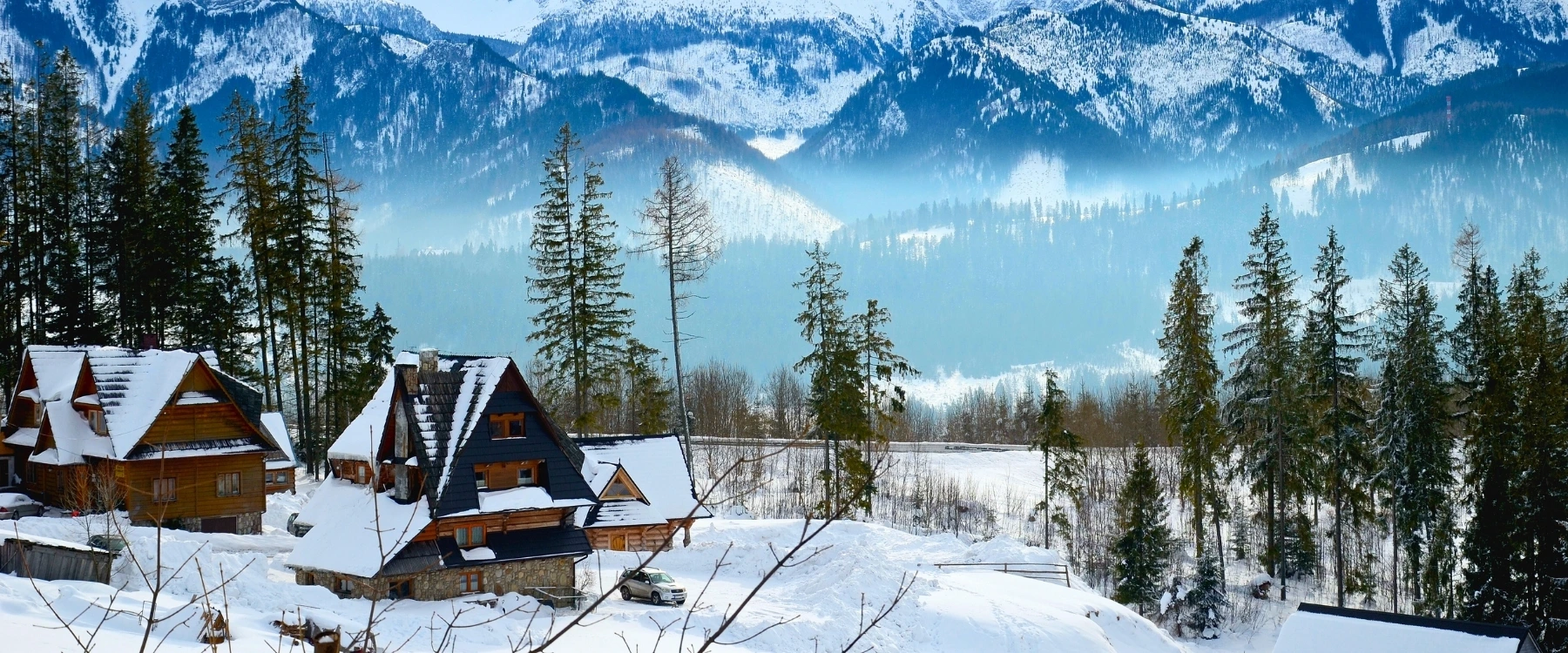
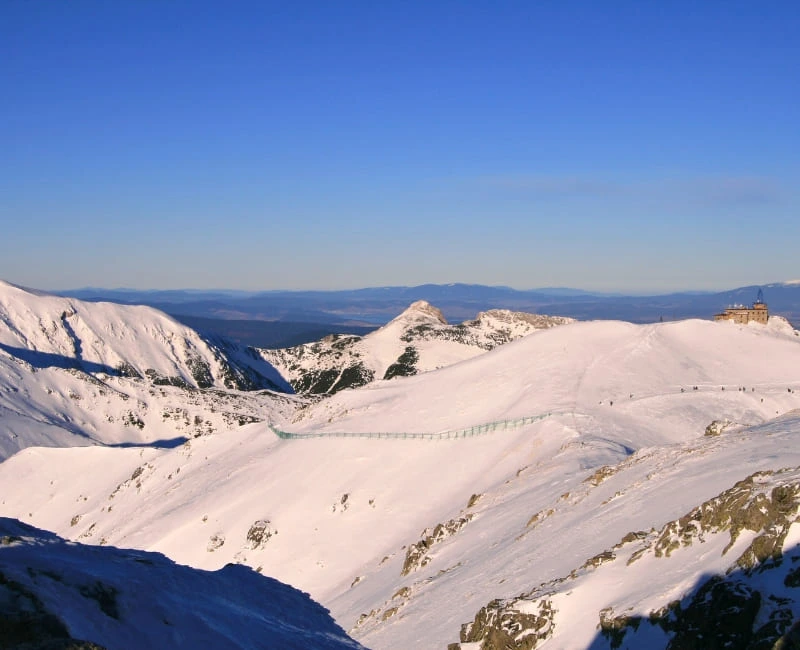
 Nestled along Poland’s southern border, the Tatra Mountains are a playground for outdoor enthusiasts year-round. In summer, an intricate network of well-marked trails spans verdant valleys, alpine meadows, and jagged ridges—ideal for day hikes or multi-day treks. Popular routes include the scenic ascent to Morskie Oko, a crystal-clear glacial lake framed by limestone peaks, and the more challenging Zakopane–Kościeliska Gorge loop, which weaves past waterfalls, caves, and wooden chapels. The region’s unique flora, from mountain avens to rare orchids, and fauna—chamois, marmots, and golden eagles—add to the immersive wilderness experience.For winter adventurers, Zakopane, known as Poland’s winter capital, offers over 20 ski lifts, night-skiing under floodlights, and backcountry powder routes. Try the gentle slopes of Nosal for beginners or tackle the steeper runs at Kasprowy Wierch, reached by cable car, where you can ski from 1,987 m down to Kuźnice. Beyond pistes, snow-shoeing and cross-country skiing glide through silent forests blanketed in snow, while toboggan runs and ice-climbing walls provide extra thrills.Accommodations range from rustic mountain huts (schroniska) with bunk beds and hearty highlander fare—such as kiełbasa grilled over an open fire—to luxury chalets offering spa pools and panoramic Tatra views. Local guides are available to lead you on specialized tours, from early-morning sunrise hikes on Rysy Peak to nocturnal wildlife spotting under starlit skies.Getting there is straightforward: daily buses and trains run between Kraków and Zakopane in under three hours, or you can rent a car to explore off-the-beaten-path villages like Chochołów, famed for its wooden architecture. Be sure to pack sturdy boots, weather-proof layers, and a map (or GPS app)—mountain weather can shift rapidly.Whether you seek the exhilaration of a summit push or the tranquility of a forest walk, the Tatras deliver an unforgettable alpine adventure in the heart of Poland.
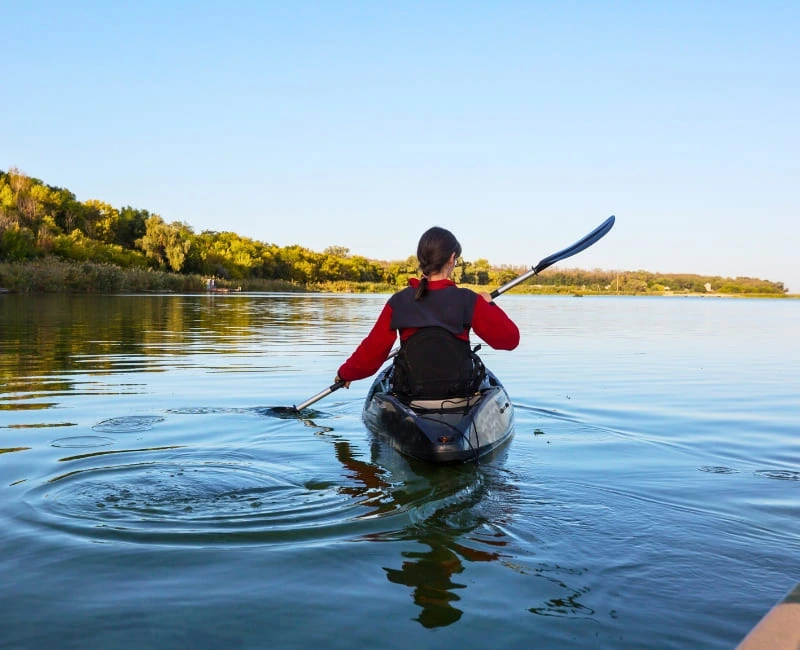
Masurian Lake District Water Sports

 Poland’s Masurian Lake District, often called the “Land of a Thousand Lakes,” spans northeast Poland in a vast mosaic of waterways, forests, and gentle hills. This region is a water-lover’s paradise where you can paddle, sail, or glide across glassy lakes flanked by pine forests. Begin in Giżycko, the district’s hub, where marina-dotted waterfronts launch you into the Great Masurian Lakes Network—home to Lake Śniardwy, Poland’s largest lake, and Lake Mamry, with its seven interconnected basins.Kayaking routes range from easy half-day circuits around Wooded Peninsulas to multi-day expeditions linking lakes via scenic canals and locks. Canoeists can sleep riverside in simple campsites or stay in lakeside guesthouses, rising to misty dawn paddles before breakfast. For sailing, charter a yacht in Mikołajki or Ruciane-Nida—no prior experience is required if you opt for a skipper, but seasoned sailors will relish navigating across open water to hidden coves and sandy beaches.Fishing enthusiasts can cast for pike, perch, and tench, while wind-surfers and kitesurfers find ideal conditions on more exposed lakes. In winter, lakes freeze over and become arenas for ice-fishing and skating, with locally guided trips available for a truly off-beat experience.Off-water, the district’s quaint towns invite exploration. Wander the 18th-century Boyen Fortress in Giżycko, sample local smoked fish at lakeside stands, or cycle forest-lined trails connecting villages. Birdwatchers flock to protected wetlands—part of a UNESCO Biosphere Reserve—where cranes, white-tailed eagles, and black-throated loons nest.Accommodations range from charming wooden cottages on stilts to eco-lodges built with local timber and stone. Many properties offer boat rentals, fishing gear, and picnic baskets brimming with pierogi and cold craft beer.With well-maintained facilities, easy boat-rental logistics, and innumerable hidden bays to explore, the Masurian Lake District beckons adventurers seeking serenity on the water and connection with nature’s rhythms. Pack quick-dry clothing, waterproof bags for your electronics, and a spirit of curiosity—each lake reveals a new vista, a new slice of Polish tranquility.
Historic Gems of Kraków & Warsaw

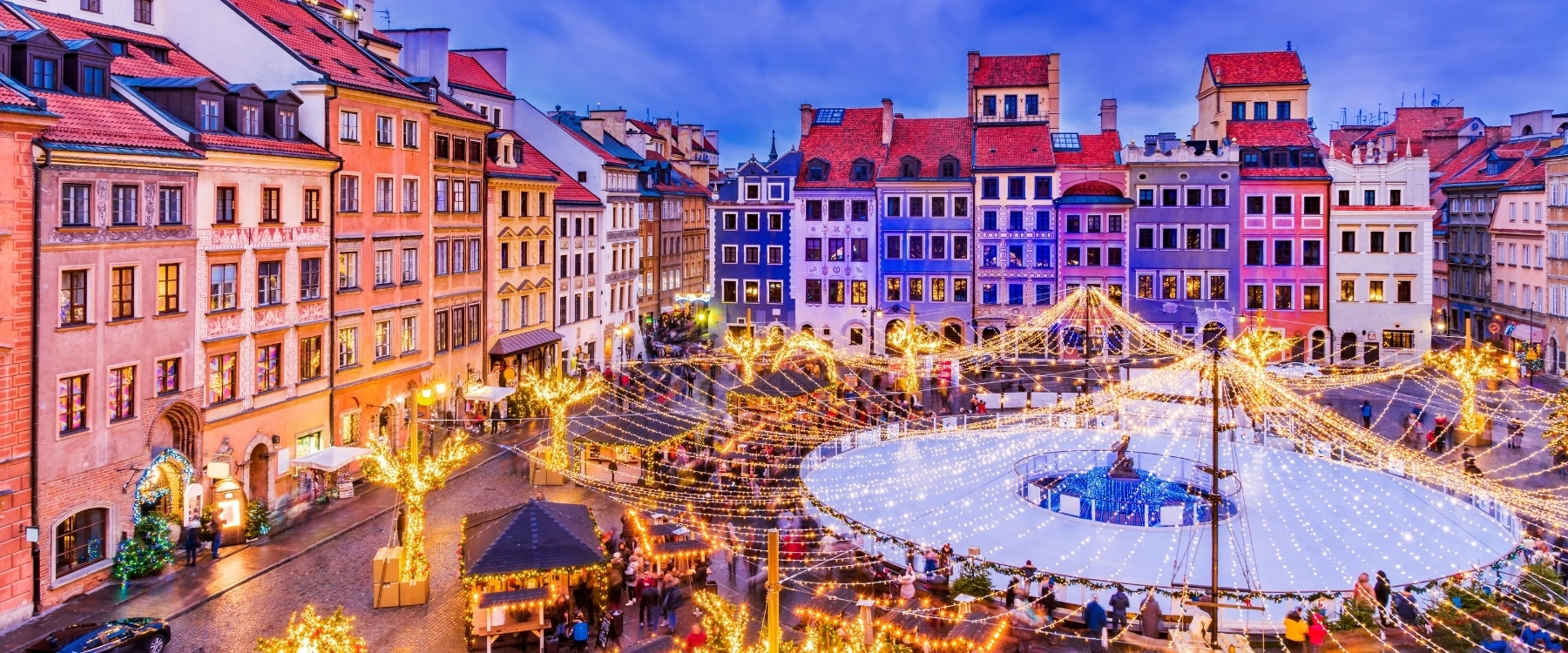
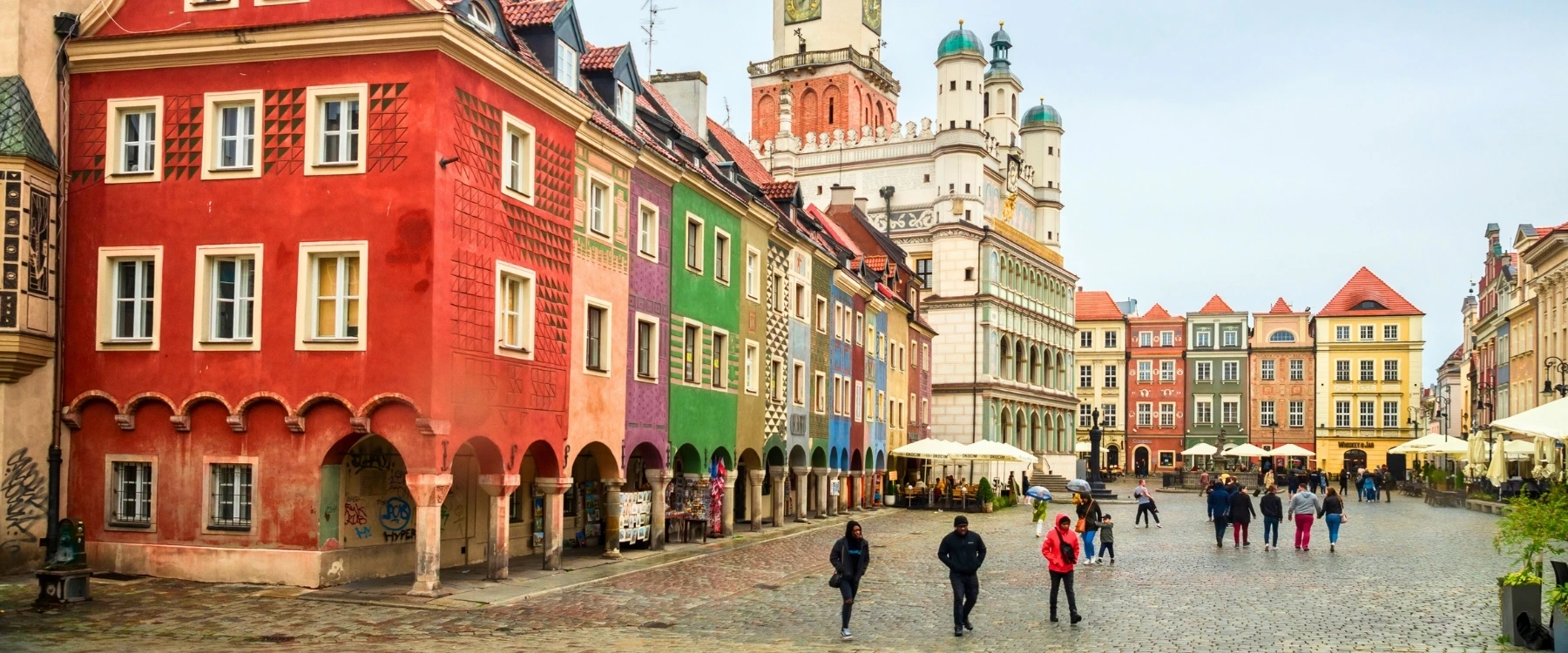
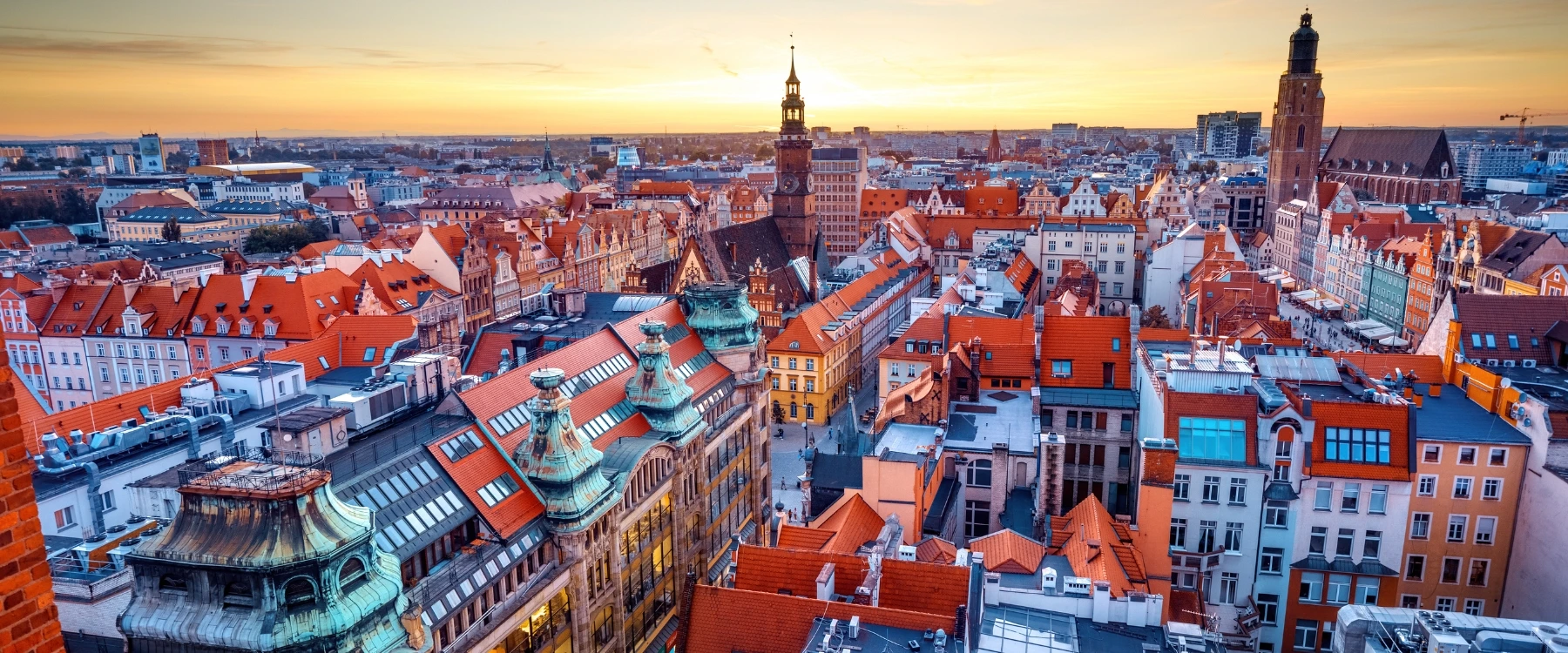
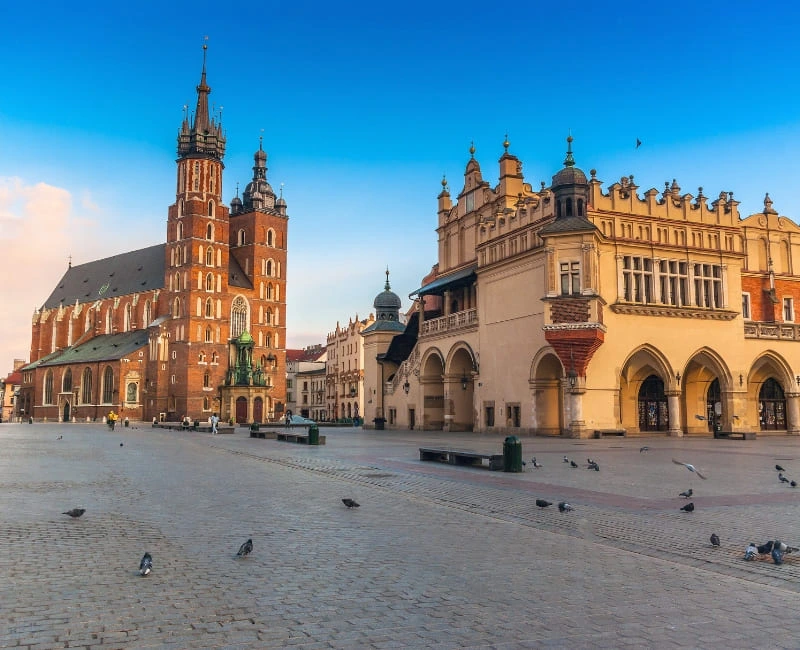
 Poland’s storied past is best experienced through its two flagship cities: Kraków and Warsaw. Kraków, the ancient royal capital, enchants with its medieval core—Rynek Główny (Main Market Square), Europe’s largest cobbled plaza, ringed by Gothic townhouses and the Cloth Hall’s Renaissance arcades. Begin at Wawel Castle, perched above the Vistula River: tour royal chambers, admire the Sigismund Bell, and descend into the Dragon’s Den grotto. Meander through Kazimierz, the former Jewish quarter, where synagogues and street-art-lined alleys pulse with bohemian energy, and sample zapiekanka (open-faced mushrooms-and-cheese baguettes) at weekend night markets.Warsaw, nearly razed in World War II, has rebounded into a modern metropolis that bears the scars and triumphs of history. The meticulously reconstructed Old Town, a UNESCO site, features the Royal Castle, Warsaw Barbican, and colorful tenement houses. Below Wierzbno’s Marble Terraces, visit the Museum of the Warsaw Uprising to deepen your understanding of 1944’s pivotal resistance. Then stroll the boulevard-like Royal Route, passing presidential palaces and stately churches, before ascending the Palace of Culture and Science tower for panoramic city views.Guided walking tours illuminate hidden details: Renaissance sgraffito on facades, Baroque chapels tucked behind courtyards, and wartime bunkers beneath city streets. Both cities host world-class museums—Kraków’s National Museum displays a massive collection of Polish art, while Warsaw’s POLIN Museum chronicles 1,000 years of Jewish life in Poland.For an immersive experience, time your visit to catch traditional folk performances at Kraków’s St. Mary’s Basilica or attend a Chopin concert in Łazienki Park, Warsaw’s leafy riverside garden palace. Culinary interludes might include lingering over local craft beers in atmospheric cellars or dining on contemporary Polish cuisine—think beetroot-cured salmon or lamb with forest mushrooms.Both cities are well connected by a two-hour intercity train; hotels range from vaulted-ceiling boutique stays in Kraków’s Old Town to sleek design-hotel skyscrapers in Warsaw. Whether tracing medieval merchants’ footsteps in Kraków or exploring Warsaw’s phoenix-like rebirth, you’ll uncover layers of resilience, artistry, and cultural pride that define Poland’s heritage legacy.

Underground Treasures: Wieliczka Salt Mine & Caves

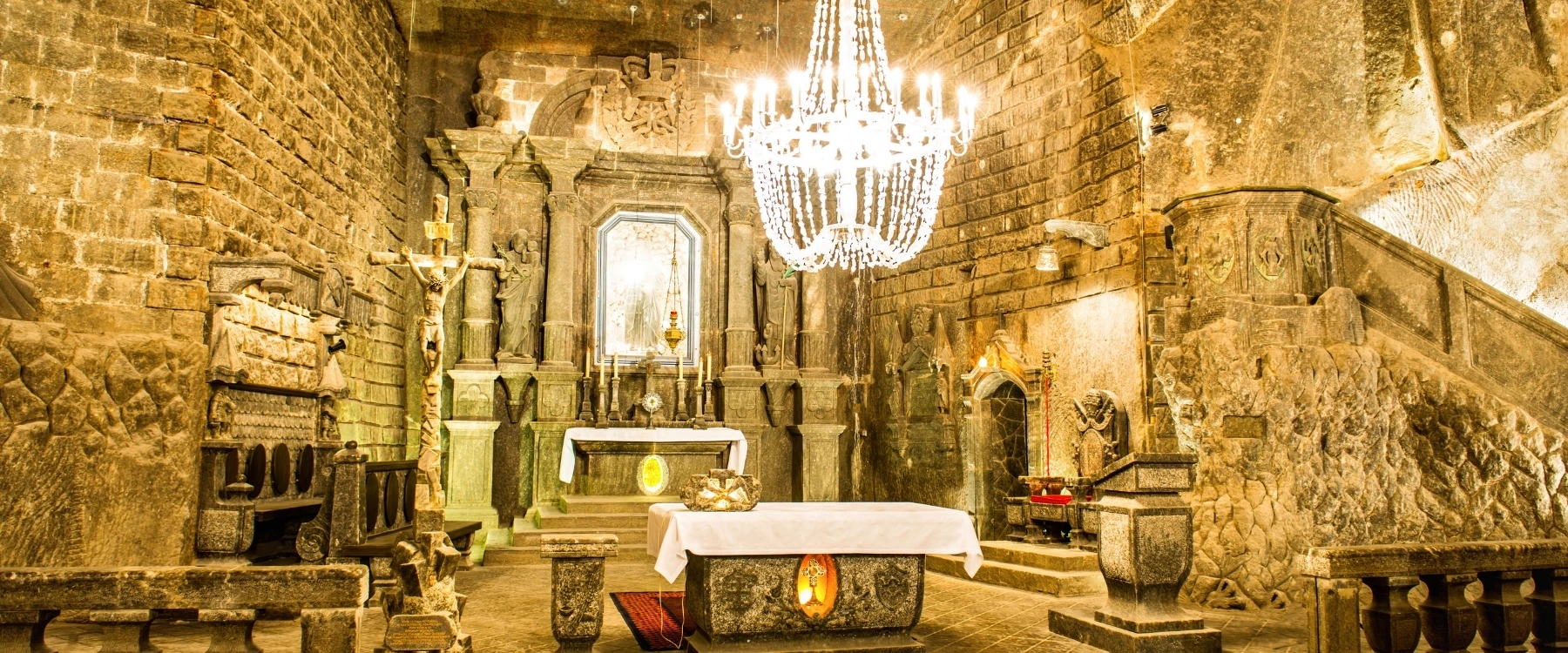
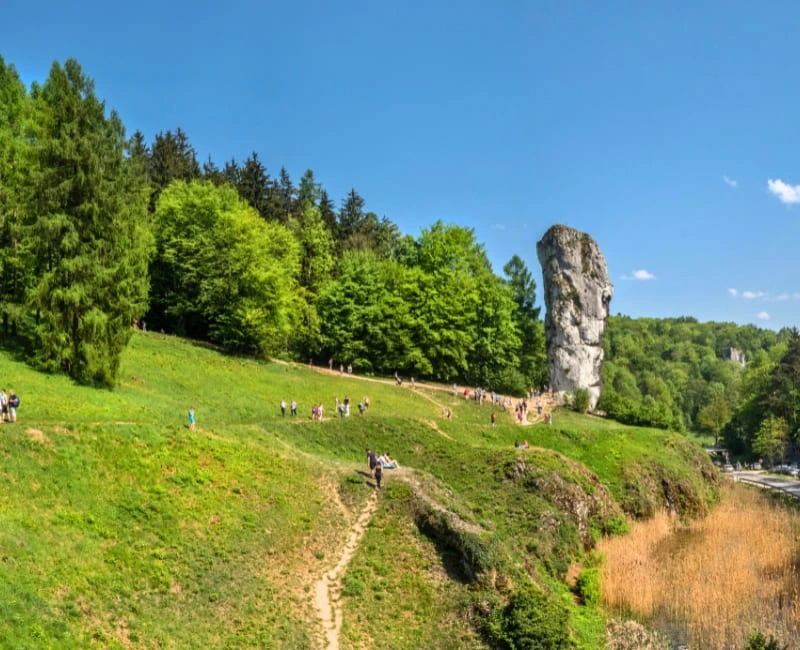
 Beneath southern Poland’s rolling hills lies an astonishing subterranean world: the Wieliczka Salt Mine, one of Europe’s oldest continuously operating mines, and nearby limestone cave systems that beckon spelunkers and history buffs alike. Just 14 km from Kraków, Wieliczka invites visitors to descend over 350 meters underground through winding shafts and wooden staircases, emerging in vast salt-carved chambers illuminated by soft lamps.The UNESCO-listed mine boasts chapels and sculptures hewn entirely from halite crystals. The highlight is St. Kinga’s Chapel, a cathedral-sized cavern adorned with salt chandeliers, altarpieces, and reliefs depicting biblical scenes—so intricate they rival surface-crafted works. An expert guide recounts centuries of miners’ lives, from medieval ore-carrier techniques to 19th-century steam-powered lifts.Venturing further south, the Ojców National Park conceals a network of limestone caves, including the Łokietek and Ciemna Caves. Accessible via easy hiking trails, these caves reveal stalactites, stalagmites, and underground rivers. In summer, guided “adventure spelunking” tours allow you to squeeze through narrow passages and learn about cave ecology and archaeology—some sites show Paleolithic artifacts and prehistoric animal bones.For an off-grid experience, join a multi-day underground camping trip organized by local speleology clubs, sleeping in designated caverns and emerging each morning to vistas of rolling hills dotted with gothic castle ruins. Surface trails weave through parkland dotted with enchanted rock formations like the Hercules’ Kłoda, a massive limestone boulder balancing impossibly on a ridge.Comfortable visitor centers offer interactive salt-mining exhibits, wellness therapies in subterranean “salt chambers,” and therapeutic microclimates perfect for respiratory health retreats. Nearby inns serve hearty Polish stews to warm you after an underground excursion.Reach Wieliczka by frequent shuttle buses from Kraków’s central station, or combine it with a day trip that includes the Royal Saltworks at Bochnia. Don sturdy shoes with good grip, bring a light jacket (temperatures underground hover around 14 °C), and allow 2–3 hours for the full Salt Mine tour.From the ethereal glow of salt-etched chapels to the silent grandeur of hidden caves, Poland’s underground marvels reveal a world equally rich in history, geology, and mystery—an essential chapter in your Polish adventure.

Destination

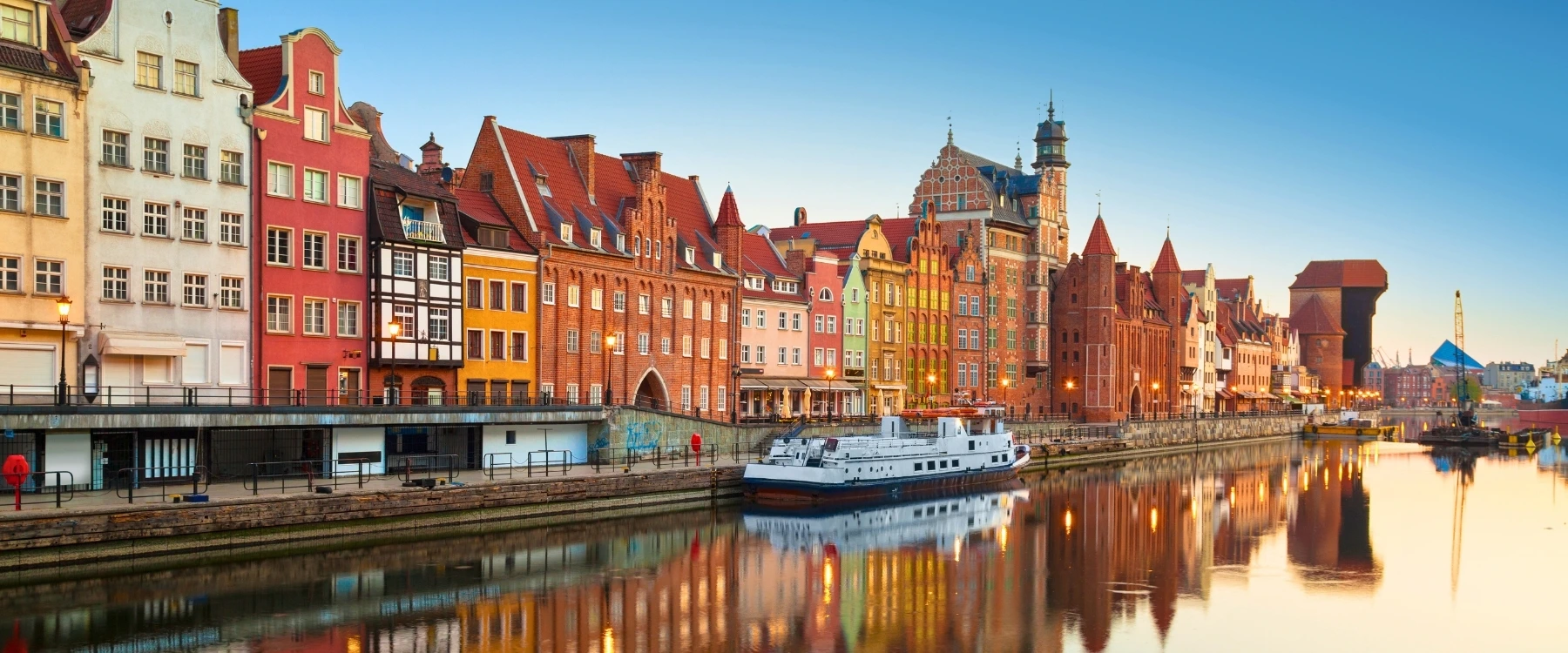
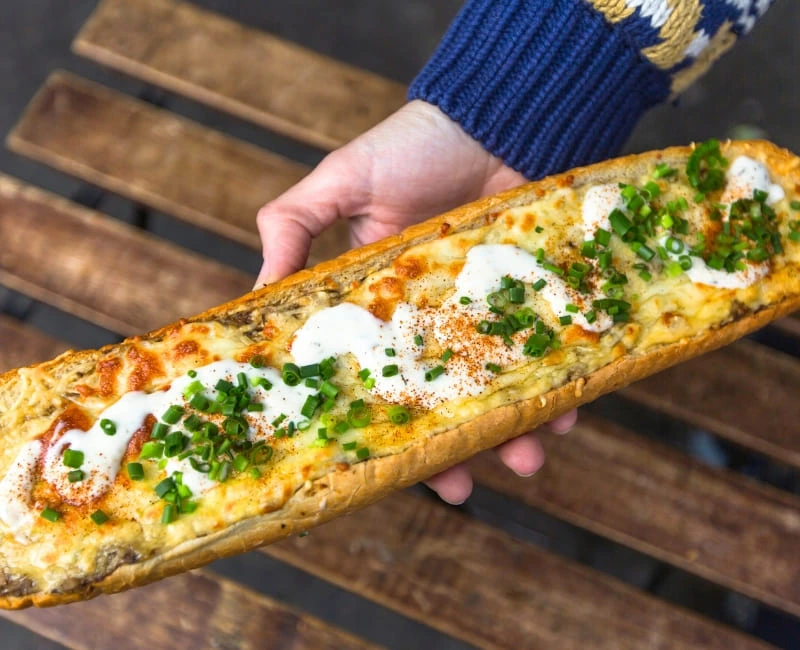
 Poland’s hearty, flavor-packed cuisine is best explored one street stall at a time. Start your edible journey in Warsaw’s Praga district, where food trucks line neon-lit boulevards after dusk. Sample classic pierogi dumplings—pillowy pockets stuffed with potato and cheese (ruskie), minced meat, or seasonal mushrooms—topped with melted butter and fresh dill. Don’t miss the “kopytka” gnocchi or zapiekanka, a local open-faced baguette layered with mushrooms, cheese, and chives, forged in Kraków’s Kazimierz markets.Regional variations abound. In Gdańsk, indulge in fish-battered cod sandwiches drizzled with mustard sauce. Head to Lublin’s Lubelski Festiwal Dobrego Smaku for a taste of cebularz, a flatbread crowned with onion and poppy seeds. In Wrocław, hunt for the medieval square’s bustling farmer’s market where stalls brim with oscypek—smoked sheep’s cheese grilled tableside and served with lingonberry jam.For something sweet, try paczki—Polish doughnuts filled with rose hip or plum jam—especially popular on Fat Thursday before Lent. Or sip on kompot, a sweet fruit stew, served warm in winter markets beneath twinkling lights. Seasonal fairs bring forest mushroom hunts and foraged berry preserves; in autumn, truffle-infused dishes appear on menus.Beyond street food, milk bars (bar mleczny) offer an authentic local experience: transparent plastic tables, simple décor, and comforting dairy-based meals like creamy żurek soup served in a hollowed-out bread bowl. These canteens were once state-subsidized and remain among the most affordable dining options.Pair your meal with Poland’s booming craft-beer scene—microbreweries turn out IPAs, porters, and tart sour ales using local honey and wild yeast. Or sample artisanal vodkas infused with bison grass, cherry, or sea buckthorn. Tap into tasting tours in Poznań or Kraków, where brewmasters guide you through cellar-aged barrels and share stories of revival after decades of mass-production.Whether you’re grazing at a night-market stall under a full moon or settling into a cozy milk bar amid chatter and clinking cutlery, Poland’s street-food trail offers an unfiltered taste of its culture—honest, hearty, and totally unforgettable.

Polish Cuisine & Street Food Trails

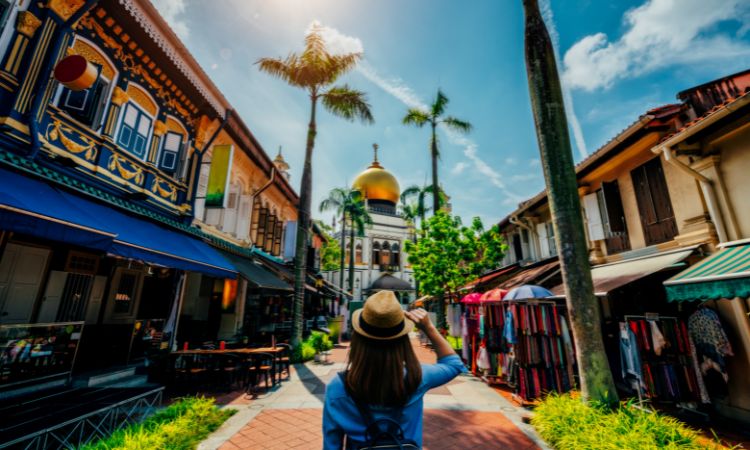
Discover world-famous destinations that continue to captivate travelers with their iconic landmarks, rich history, and vibrant cultures. These popular spots offer well-developed tourism infrastructure, diverse accommodation options, and countless activities for every type of traveler. While these destinations attract millions of visitors annually, they maintain their unique charm and continue to offer new experiences even for repeat visitors seeking to uncover hidden layers beyond the main attractions.

Hotel

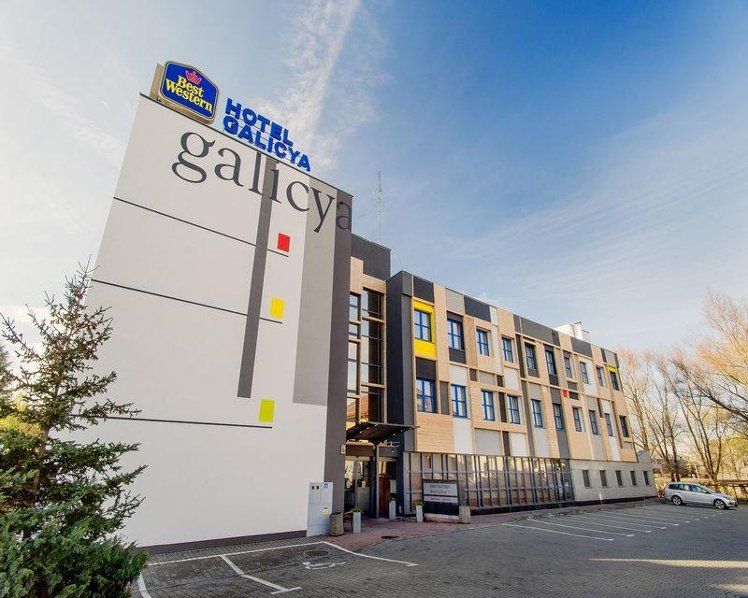
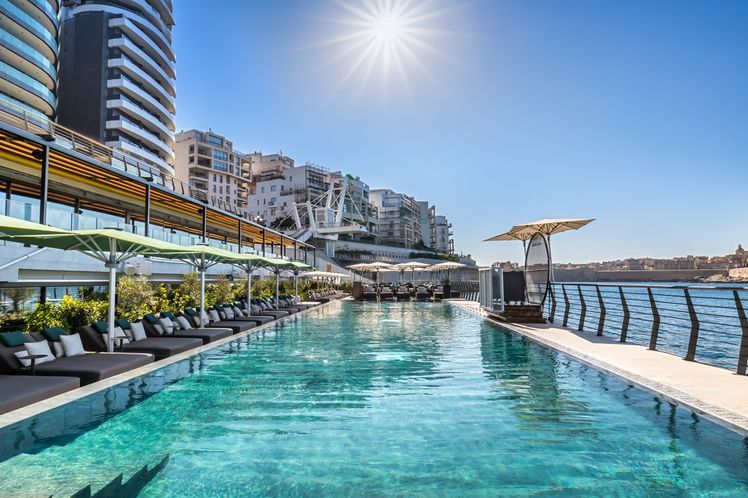
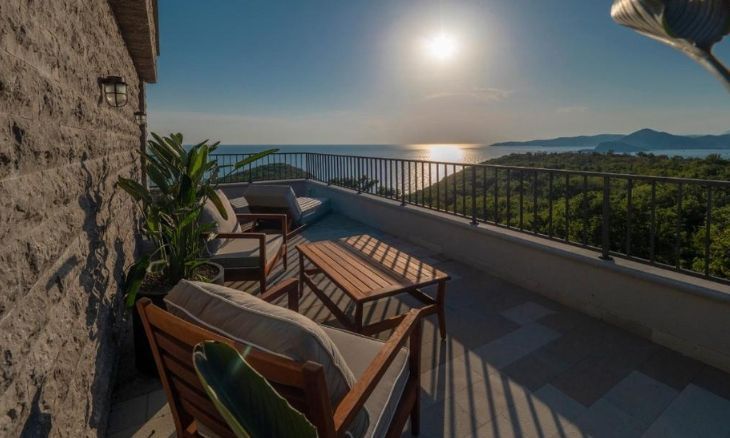
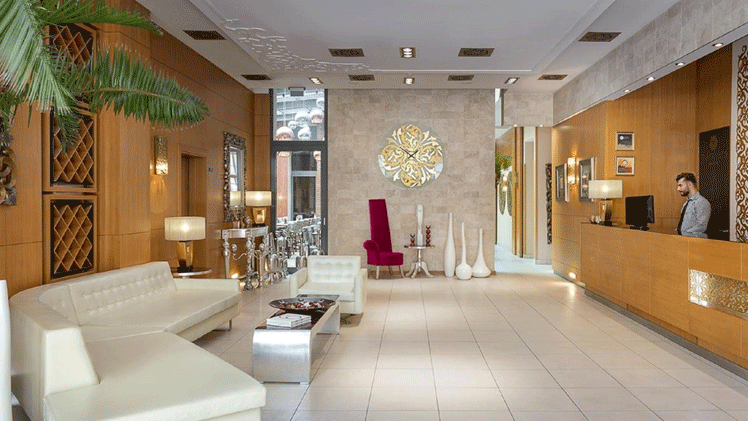
Indulge in premium accommodation options that offer exceptional service, world-class amenities, and exquisite dining experiences. Luxury hotels provide personalized attention, sophisticated design, and exclusive facilities that transform your stay into a memorable journey. From five-star city hotels to boutique resorts in exotic locations, these properties prioritize guest comfort and satisfaction while offering unique local experiences and impeccable hospitality standards.

Hotel

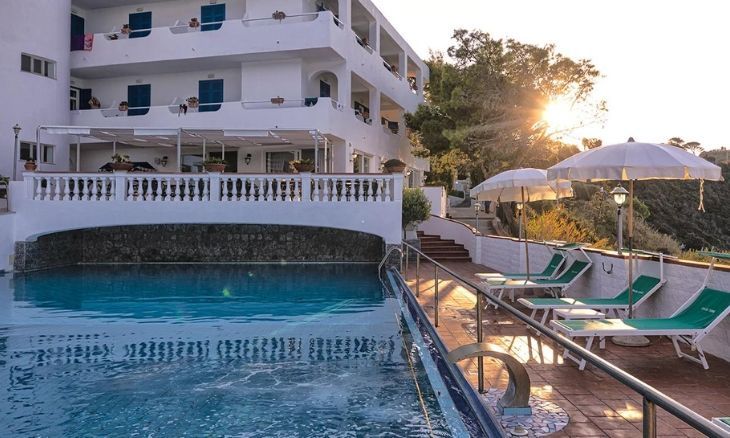
Find comfortable and affordable lodging options that don't compromise on quality or experience. Budget hotels, hostels, and guesthouses offer excellent value for money while providing clean, safe accommodations in convenient locations. Many budget options feature communal spaces that encourage social interaction, local recommendations from knowledgeable staff, and authentic experiences that allow travelers to stretch their budget further while exploring new destinations.

Join our newsletter
Subscribe to see secret deals prices drop the moment you sign up!

No ads. No trails. No commitments