

 Reykjavik Travel Guide
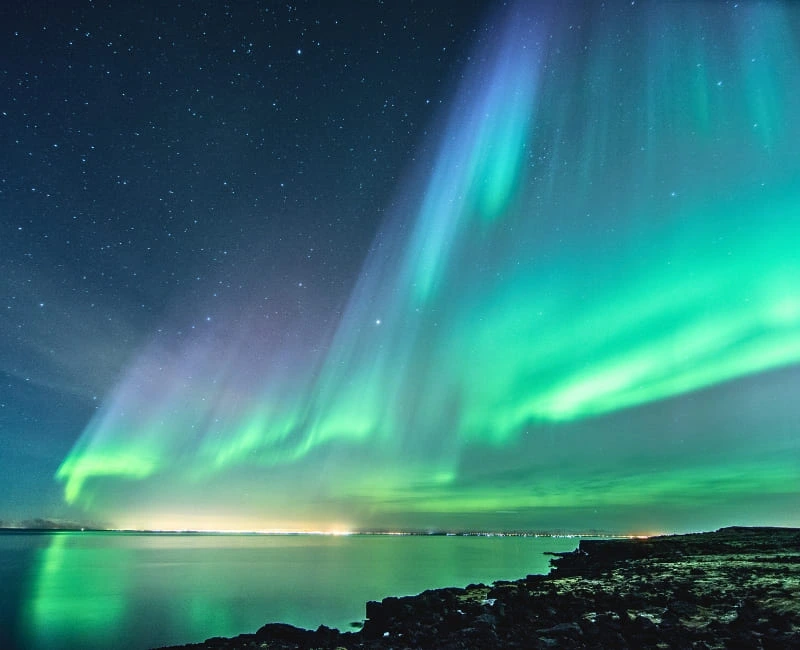
Few experiences compare to witnessing the Northern Lights—those swirling, dancing ribbons of green, purple, and pink that light up Reykjavik’s night skies. Known locally as Aurora Borealis, this natural wonder is one of Iceland’s biggest draws, and Reykjavik is a prime viewing spot. Nestled close to vast, open wilderness and free from excessive light pollution, Reykjavik offers easy access to Northern Lights hotspots just minutes from the city. The best time to see the lights is from late September to early April, with peak activity between November and March. Reykjavik’s proximity to the Arctic Circle makes for ideal conditions—clear, dark skies, solar activity, and cold temperatures. Tour companies operate nightly excursions from the city, often chasing clear skies and venturing into remote Icelandic landscapes. Many offer guarantees, allowing free rebooking if the lights don’t appear. Even within Reykjavik, you can enjoy glimpses of the aurora from spots like Grótta Lighthouse, Öskjuhlíð Hill, or the northern shores of the Seltjarnarnes Peninsula. The tranquil ambiance, often accompanied by silence or the distant crash of waves, creates an unforgettable atmosphere. For photographers, Reykjavik’s Northern Lights are a dream. Whether silhouetted against the Hallgrímskirkja church or mirrored in a geothermal lake, the aurora offers dramatic, ever-changing compositions. Local guides are well-versed in helping guests set up cameras and maximize the moment. Beyond the spectacle, the aurora holds deep cultural significance. Icelandic folklore once saw the lights as dancing spirits or divine omens. Today, they symbolize Iceland’s connection with raw nature. If seeing the Northern Lights is on your bucket list, Reykjavik is the gateway to ticking that dream off in style.
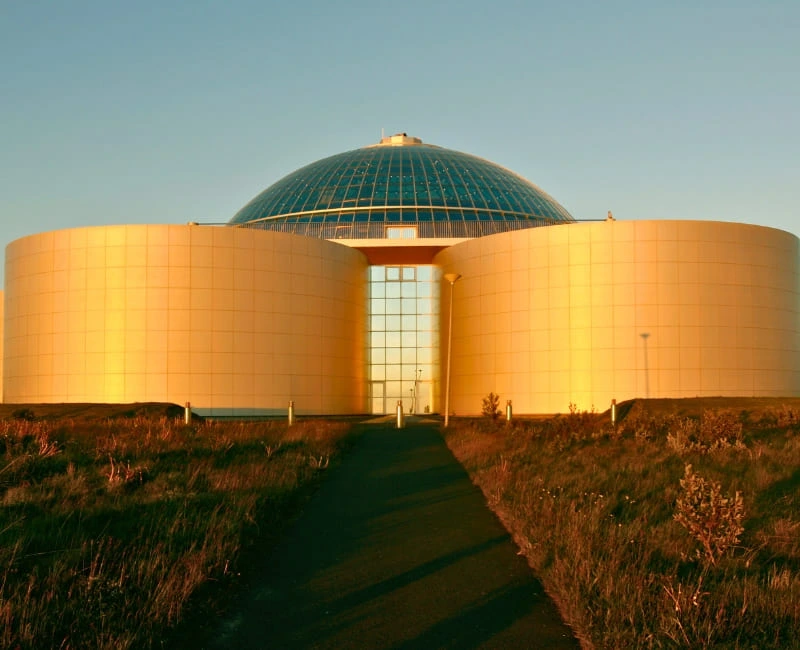
Reykjavik may be small in size, but it punches well above its weight when it comes to culture. The city is a hub of Nordic creativity, rich history, and artistic expression. As the heart of Iceland’s cultural life, Reykjavik fuses ancient Viking traditions with modern-day innovation and design. Start your journey with a visit to the National Museum of Iceland, where over a millennium of history comes to life. From Norse artifacts to medieval manuscripts and interactive exhibits, the museum paints a vivid picture of Iceland’s transformation over centuries. Another must-see is the Saga Museum, which brings to life the stories of Viking heroes and early settlers using lifelike wax figures and dramatic storytelling. For art lovers, Reykjavik boasts a thriving visual arts scene. The Reykjavik Art Museum spans three locations and showcases both Icelandic and international contemporary artists. The city is also known for its vibrant street art—whole buildings become canvases for large-scale murals that add color and character to every corner. Architectural highlights include the stunning Hallgrímskirkja, inspired by Iceland’s basalt lava flows. A ride to the top offers sweeping views of the colorful rooftops and Faxaflói Bay. Nearby, Harpa Concert Hall is an icon of modern design, with its glass façade reflecting the sea and sky in mesmerizing patterns. The city also celebrates its cultural identity through festivals. Reykjavik Culture Night, held each August, turns the entire city into a stage with free events, exhibitions, and live performances. There’s also the Reykjavik International Film Festival, Iceland Airwaves music festival, and numerous literary events that draw global talent. From ancient heritage to contemporary cool, Reykjavik is a cultural destination like no other—a city where every street, gallery, and venue tells a story worth hearing.