
Romania

Romania

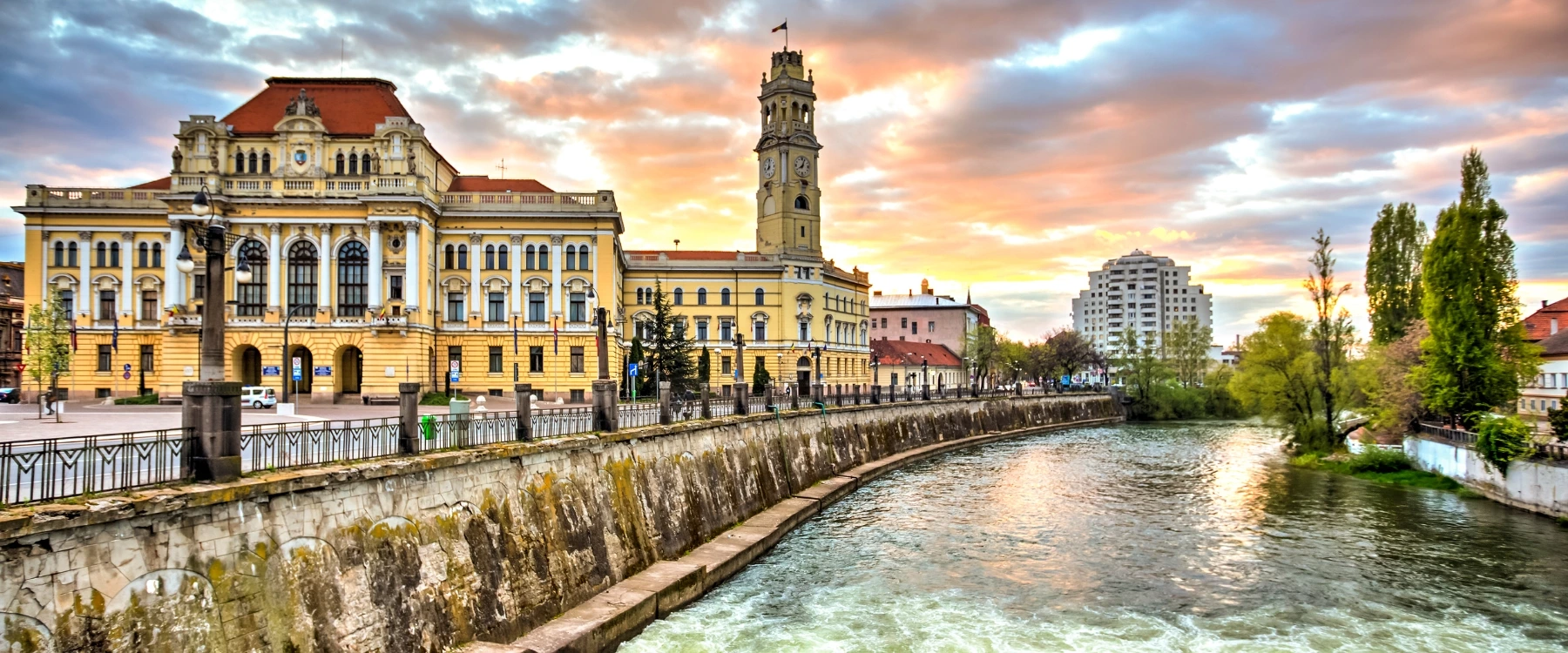
 Romania is a captivating destination at the crossroads of Central, Eastern, and Southeastern Europe, where the Carpathian Mountains meet the Danube River before flowing into the Black Sea. The country’s geography is remarkably varied: from misty mountain peaks and dense forests to rolling hills, fertile plains, and a scenic coastline. Romania’s terrain is roughly divided equally among mountains, hills, and plains, offering a broad canvas of experiences for travelers . Bucharest, the capital and largest city, blends neoclassical architecture with modern developments and vibrant cultural life. Other urban centers—Cluj-Napoca, Timișoara, Iași, Constanța, Brașov—serve as gateways to both city experiences and nearby natural or historical attractions.The climate is temperate-continental, with warm summers (often reaching up to 35°C in July/August) and cold winters in mountainous regions, making Romania a year-round destination depending on interests . Spring (March–May) brings blooming landscapes and mild weather, ideal for exploring countryside villages and castles before peak crowds arrive. Summer (June–August) is perfect for Black Sea beaches, festivals, and mountain hikes, though some areas can be busy. Autumn (September–November) offers crisp air, colorful forests, and fewer tourists, excellent for road trips through Transylvanian villages and wine regions. Winter (December–February) transforms the Carpathians into a snowy playground with ski resorts and traditional holiday markets.Romania’s history stretches from ancient Dacian civilizations and Roman rule to medieval principalities (Wallachia, Moldavia, Transylvania) and modern nation-building. Historic sites include fortified churches, medieval citadels, royal palaces, and monasteries adorned with frescoes. The legendary Bran Castle and the grand Peleș Castle illustrate myth and royal heritage. Rural traditions remain alive in villages where age-old crafts, folk music, and festivals provide cultural immersion.Nature enthusiasts find ample adventure: Carpathian forests host Europe's largest population of brown bears and wolves, while hiking trails traverse dramatic ridges and alpine meadows. The Danube Delta, Europe’s second-largest and best-preserved delta, is a UNESCO Biosphere Reserve where waterways teem with birdlife and fish—ideal for wildlife tours and photography. The Black Sea coast features seaside resorts like Mamaia, offering sandy beaches and vibrant nightlife.Romanian cuisine reflects a melting pot of Balkan, Central European, and Ottoman influences. Hearty dishes such as sarmale (cabbage rolls), mămăligă (polenta), mici (grilled minced meat rolls), and diverse soups are complemented by fresh local produce, cheeses, and wines from emerging vineyards in Transylvania and Moldavia. Dining is generally affordable compared to Western Europe, enhancing the value of the experience.Culturally, Romania offers museums of art and history, vibrant street art and café scenes in cities, and folk events in rural areas. Theatrical performances, classical music festivals, and contemporary arts thrive, especially in cultural hubs like Bucharest and Cluj-Napoca. Spa and wellness tourism is also significant: thermal resorts and wellness centers leverage natural mineral springs.Accessibility: Major international airports (e.g., Bucharest OTP) connect Romania with many European cities. From the UK, a direct flight to Bucharest takes about 3 hours 15 minutes on average. Once in Romania, an extensive network of trains, buses, and roads allows exploration; car rentals facilitate deeper access to remote areas.Affordability: Romania remains budget-friendly. Accommodation ranges from guesthouses in villages to boutique city hotels and ski chalets. Dining and transport costs are lower than many Western European destinations, offering great value without sacrificing quality. This affordability applies to activities—guided tours, wildlife excursions, cultural experiences—which can be surprisingly economical.Safety and Hospitality: Romania is generally safe for travelers. Locals are known for warm hospitality, particularly in rural areas where family-run guesthouses welcome visitors with home-cooked meals. English is widely spoken among younger generations and in tourist-centric areas; learning a few Romanian phrases is appreciated.Practical Details: The currency is the Romanian leu (RON). Romania operates on Eastern European Time (EET, UTC+2) and observes Eastern European Summer Time (EEST, UTC+3) during daylight saving. Coordinates of Romania’s geographic center are approximately 45.9432° N, 24.9668° E, useful for map-based planning. Visitors from the UK pay with pounds sterling for flights and convert to lei locally; many places accept cards. Visa requirements vary by nationality; EU citizens travel freely, others should check requirements ahead of time.In summary, Romania offers an exceptional blend of nature, history, culture, and affordability. Its varied landscapes—from Carpathian peaks to Delta wetlands and Black Sea shores—cater to diverse interests. Cities pulse with modern energy and cultural events, while villages preserve tradition. Whether seeking outdoor adventure, cultural immersion, beach relaxation, or urban exploration, Romania delivers distinct experiences that remain under the radar compared with Western European hotspots.

Travila Romania Travel Guide

What to know before Travelleing

Paris is known around the world as the “capital of love,” and even if you don't understand the history of Paris at all

Language: Romanian
Peak Season: June to August
Time Zone: UTC+2 (EET)
Currency: Romanian Leu (RON)
Travila

3 Hours

Average Flight Time

£1

Price Of Pint
Transport
Best time to visit

Top Destinations in Romania

Carpathian Mountain Adventures

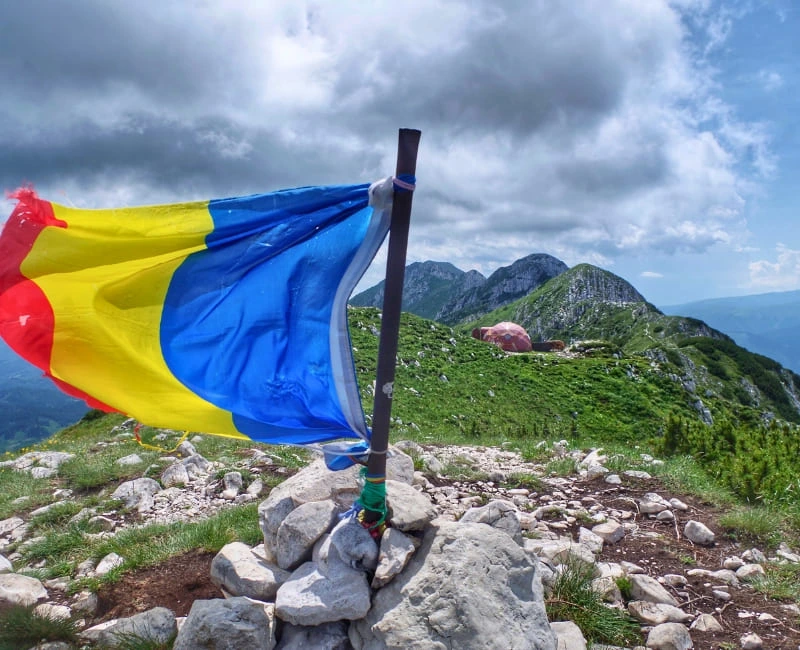
 The Carpathian Mountains represent the backbone of Romania, offering unparalleled adventure and nature experiences for outdoor enthusiasts. Stretching in a broad arc through the center of the country, the Carpathians encompass diverse terrain: dense beech and conifer forests, alpine meadows carpeted with wildflowers, jagged peaks rising above 2,000 meters, glacial lakes, and deep, dramatic gorges carved by rivers over millennia. This diversity facilitates an array of activities—hiking, mountain biking, wildlife safaris, skiing, climbing, and eco-tourism—set against pristine natural backdrops.Hiking in the Carpathians spans trails for beginners to seasoned trekkers. Popular ranges include the Bucegi Mountains near Bucharest, which feature the famous Sphinx rock formation and panoramic views from Omu Peak; the Făgăraș Mountains, known for the highest peak Moldoveanu (2,544 m) and challenging ridge trails; the Retezat National Park, with glacial lakes and endemic flora; and the Piatra Craiului Massif, offering scenic plateaus and limestone ridges. Guided multi-day treks allow visitors to stay in mountain huts or camp under star-filled skies, experiencing sunrise over peaks and witnessing alpine wildlife.Wildlife safaris in the Carpathians are increasingly popular, as these forests host Europe’s largest populations of brown bears, wolves, lynx, and chamois. Responsible wildlife tours, led by experienced local guides, use discreet observation methods—such as hides near feeding areas—to allow sighting without disturbing animals. Birdwatchers delight in finding rare raptors and forest species. These tours emphasize conservation and respect for ecosystems, supporting local communities and raising awareness of preservation efforts.Mountain biking trails weave through forested valleys and open plateaus, providing adrenaline-fueled descents and scenic passages. Guided biking tours cater to varying skill levels, with equipment rentals available in mountain towns such as Sinaia, Brașov, and Sibiu. In winter, ski resorts like Poiana Brașov, Sinaia, and Predeal welcome skiers and snowboarders of all levels; well-maintained slopes and modern facilities coexist with charming mountain-town atmospheres. Cross-country skiing and snowshoeing trails allow exploration of quieter, snow-clad landscapes.Adventure activities extend to Via Ferrata routes—secured climbing pathways on rock faces—for those seeking thrill with relative safety, and rafting or kayaking in mountain rivers during spring melt, offering swift rapids and scenic canyon settings. Caving enthusiasts can venture into karst systems, discovering stalactite chambers and underground rivers.Rural mountain villages such as Viscri, Fundata, and Moieciu de Sus provide cultural immersion: staying in guesthouses, tasting traditional mountain fare (e.g., cheese, cured meats, polenta), and witnessing shepherding traditions. Many local guides and hosts are eager to share knowledge of medicinal plants, folk stories, and sustainable practices passed down generations.Seasonality in the Carpathians offers distinct experiences: summer brings vibrant flora and wildlife activity—ideal for trekking and wildlife tours. Autumn paints landscapes in fiery hues of red and gold, enhancing photography opportunities and offering cooler hiking conditions. Winter transforms peaks into snowfields apt for skiing and cozy lodge stays. Shoulder seasons (spring, late autumn) appeal to those seeking solitude and keen on witnessing nature’s quieter rhythms.Accessibility: Major mountain hubs like Brașov are reachable by train or road from Bucharest or Cluj-Napoca. From these towns, local transport or rental vehicles lead to trailheads. Well-developed tourism infrastructure includes guide services, equipment rentals, and clear trail marking in popular areas. Yet many remote paths remain less trodden, inviting exploration off the beaten track.Safety and conservation: Always follow local guidelines, hire certified guides for high-altitude or wildlife activities, and respect protected areas’ regulations. Romania’s national parks and conservation organizations manage trails and wildlife programs, and tourism revenues contribute to preservation efforts. Travelers should prepare appropriate gear, check weather forecasts, and plan itineraries according to skill levels.In summary, Carpathian Mountain Adventures present an essential Romania experience: a blend of adrenaline, immersion in pristine nature, wildlife encounters, and authentic rural culture. Whether trekking classic high-altitude passes, spotting bears at dawn, skiing well-groomed slopes, or cycling scenic mountain roads, visitors forge deep connections with Romania’s wild heart, leaving with memories of majestic peaks, starry skies, and stories of mountainside hospitality.
Danube Delta Wildlife Encounters

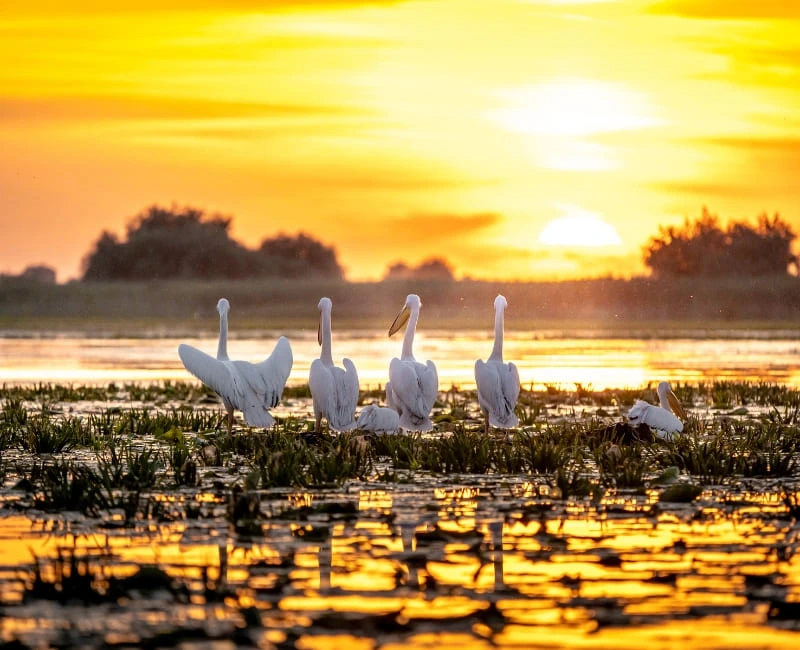
 The Danube Delta, Europe’s second-largest and best-preserved delta, sits at the confluence of the Danube River and the Black Sea in southeastern Romania. Recognized as a UNESCO World Heritage Site and Biosphere Reserve, the Delta’s labyrinthine waterways, reed beds, marshes, and lakes form a mosaic of habitats teeming with wildlife. This vast wetland—covering over 5,800 square kilometers—offers unparalleled opportunities for nature immersion, birdwatching, fishing, eco-tours, and cultural encounters with local fishing communities.Birdwatchers consider the Danube Delta a paradise: over 300 bird species nest or stopover here during migrations, including pelicans (both Dalmatian and great white), herons, egrets, cormorants, and myriad waterfowl. Guided birdwatching tours, led by expert ornithologists, navigate small boats through silent channels at dawn or dusk when birds are most active. Observation hides in reed beds allow close views without disturbance. Spring and autumn migrations (March–May, September–October) bring peak activity, though summer also offers abundant nesting displays. Photographers capture dramatic scenes of flocks in flight against sunrise or color reflections on calm waters.Eco-tours in the Delta emphasize sustainable tourism: small group sizes, local guide involvement, and minimal environmental impact. Boat excursions on traditional wooden vessels (e.g., “lotca”) or motorized eco-boat enable exploration of narrow canals, open lakes, and reed islands. Tours typically depart from villages like Sulina, Mila 23, Crișan, or Sfântu Gheorghe. Along the way, guides explain the Delta’s ecology, water flow dynamics, and conservation challenges, fostering appreciation for fragile wetland ecosystems facing pressures from climate change and upstream development.Fishing plays a vital role in local communities for both livelihood and culinary heritage. Traditional fishing villages maintain age-old practices: nets set at strategic channels, fish drying and smoking techniques, and recipes featuring carp, pike, and catfish. Travelers can join fishing excursions at dawn, learning net-handling and boat navigation from local fishermen. Some tours include cooking demonstrations, where freshly caught fish is prepared in village homes or guesthouses, paired with homemade bread, polenta, and locally foraged plants.Accommodation options range from rustic guesthouses in villages to eco-lodges on canals. Staying overnight immerses visitors in Delta rhythms: dawn chorus of birds, gentle lapping of water, sunsets filtering through reeds. Limited electricity in remote areas enhances authentic experience; many lodges rely on solar power. Meals often spotlight Delta flavors: fish soups, smoked fish platters, honey, homemade dairy products, and foraged mushrooms or wild herbs.Beyond birdwatching and fishing, the Delta offers kayaking routes for active travelers; paddling through narrow channels reveals hidden corners and wildlife glimpses. Photography tours may focus on macro wildlife—dragonflies, amphibians—or landscape compositions framed by reeds and waterways. Educational programs introduce wetland ecology, research initiatives, and volunteer opportunities for conservation projects.Seasonality: Spring brings vibrant bird migrations; summer sees lush vegetation and high biodiversity, though mosquitoes are more prevalent; autumn offers migrating flocks and golden-hued reeds; winter is quiet, with fewer services but unique stark beauty and ease of photography of resident birds. Visitors should choose season according to interests and prepare appropriate gear—light clothing and insect repellent in summer, layered clothing in shoulder and winter months.Access: The Delta can be reached by road to gateway towns (e.g., Tulcea) followed by boat transfers to villages. Tulcea, reachable by train or bus from Bucharest or Constanța, serves as main entry point. From Tulcea harbor, numerous boat operators offer day trips or arrangements for multi-day stays. Advance booking in peak season is recommended to secure accommodations and guided tours.Conservation: Responsible tourism in the Delta supports local livelihoods and conservation efforts. Visitors should follow guidelines: avoid disturbing nesting areas, minimize plastic use, respect local customs, and choose operators committed to eco-friendly practices. Delta preservation relies on balancing tourism with ecosystem health; travelers’ contributions through fees or volunteer programs aid research and habitat protection.In sum, Danube Delta Wildlife Encounters immerse travelers in one of Europe’s most biodiverse wetlands. Birdwatching spectacles, traditional fishing experiences, eco-conscious boat tours, and serene nights in reed-lined waterways offer a profound connection with nature and rural life. This guide ensures visitors experience the Delta’s magic responsibly, leaving with memories of silent canals, fluttering wings, and the timeless rhythm of river and sea.
Transylvania’s Medieval Towns and Fortified Churches

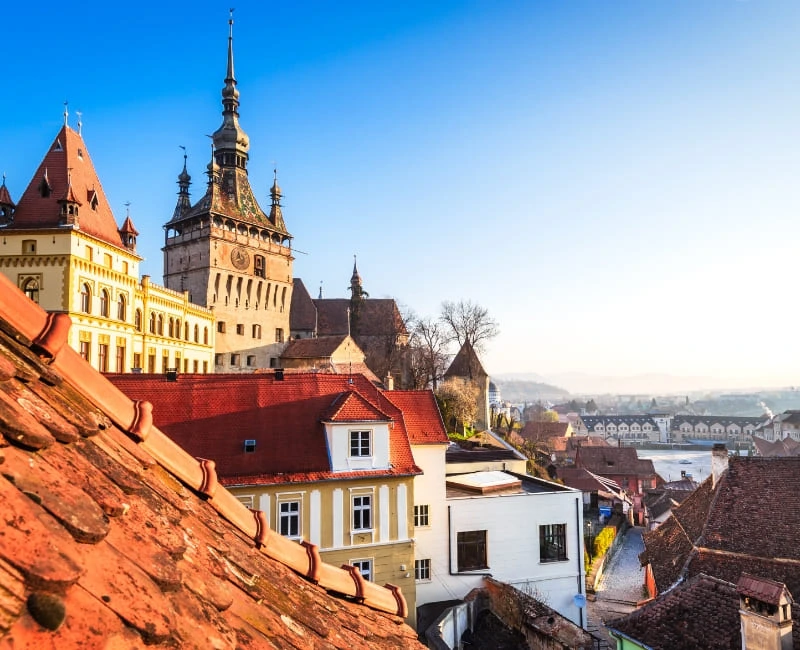
 Transylvania evokes images of misty forests, legends of Dracula, and medieval towns encircled by walls and towers. Beyond myths, this region offers remarkably well-preserved medieval architecture and fortified churches—a UNESCO-recognized ensemble reflecting rural defense solutions from the 13th to 16th centuries. Exploring Transylvania’s towns and villages reveals layers of Saxon heritage, Hungarian influences, and Romanian traditions merged over centuries.Brașov serves as a common starting point: nestled among the Southern Carpathians, it features the Gothic Black Church, charming Council Square (Piața Sfatului), and medieval city walls with bastions. Cobblestone streets lead to cafes and craft shops; cable car ascents to Mount Tâmpa provide panoramic views over rooftops against Carpathian peaks. Nearby, the village of Bran houses Bran Castle, often marketed as “Dracula’s Castle” but offering broader historical context of border defense and local legends. Further explorations can include Poiana Brașov for mountain scenery or Prejmer fortified church, a UNESCO site notable for its massive defense wall and church interior.Sighișoara, one of the best-preserved medieval towns in Europe and UNESCO World Heritage Site, delights with its colorful houses, winding lanes, and the Clock Tower Museum. It’s also the birthplace of Vlad Țepeș (Vlad the Impaler). Wandering through the citadel feels like stepping into a fairy tale—towers, covered staircases, and artisan workshops. Annual medieval festivals animate the town with costumes, performances, and craft demonstrations, offering immersive insights into Transylvanian heritage.Beyond major towns, rural Saxon villages dot the landscape: Biertan with its impressive fortified church complex; Viscri, where conservation efforts by the Mihai Eminescu Trust preserve traditional houses and crafts; Alma Vii and Valea Viilor with fortified church ensembles connected by scenic routes. Visiting these villages often involves driving along rolling hills, vineyards, and pastures, with opportunities to stop at family guesthouses offering home-cooked meals—cheese, sausages, polenta, and sweet preserves.Fortified churches, built by Saxon settlers as communal defense structures against invasions, are architectural marvels: massive walls with multiple defense levels, narrow windows for archers, hidden corridors, and storage spaces for villagers and livestock. Inside, frescoes and medieval artifacts reveal religious and cultural aspects. Guides explain construction techniques, history of regional conflicts, and the coexistence of different ethnic groups—Romanians, Saxons, Hungarians—shaping Transylvania’s multicultural tapestry.Cultural events—folk music festivals, craft fairs, medieval reenactments—occur throughout the year in towns and villages. These celebrate ancestral traditions: woodcarving, weaving, pottery, and produce local specialties such as plum brandy (țuică) and wines from Târnave or Alba regions. Visiting small vineyards offers tasting experiences and conversations with winemakers reviving indigenous grape varieties.Accessibility: Many medieval towns and villages are connected by scenic drives along well-maintained roads; public transport links exist but renting a car or joining guided tours provides flexibility. Regional airports (Cluj-Napoca, Sibiu, Târgu Mureș) offer access to northern Transylvania; trains and buses connect major hubs to Bucharest or other regions.Seasonality: Summer brings festivals, pleasant weather for walking tours, and longer daylight to explore. Autumn paints hillsides with warm hues, enhancing photography and vineyard visits. Spring offers blooming landscapes with fewer crowds. Winter, while colder, gives towns a quiet charm; festive markets in Brașov or Sighișoara create cozy atmospheres.Conservation and Community: Many Saxon villages rely on responsible tourism for preservation. Staying in guesthouses run by locals or participating in community-led initiatives supports heritage conservation. Visitors should respect local customs, observe guidelines in historic sites, and contribute to sustaining these living cultural landscapes.In essence, Transylvania’s Medieval Towns and Fortified Churches epitomize Romania’s cultural depth and architectural heritage. Exploring cobbled citadels, perched castles, and fortified villages unfolds stories of resilience, multicultural coexistence, and craftsmanship. These experiences resonate with history enthusiasts and travelers seeking evocative, authentic journeys through Europe’s storied past.

Bucharest and Romania’s Urban Renaissance

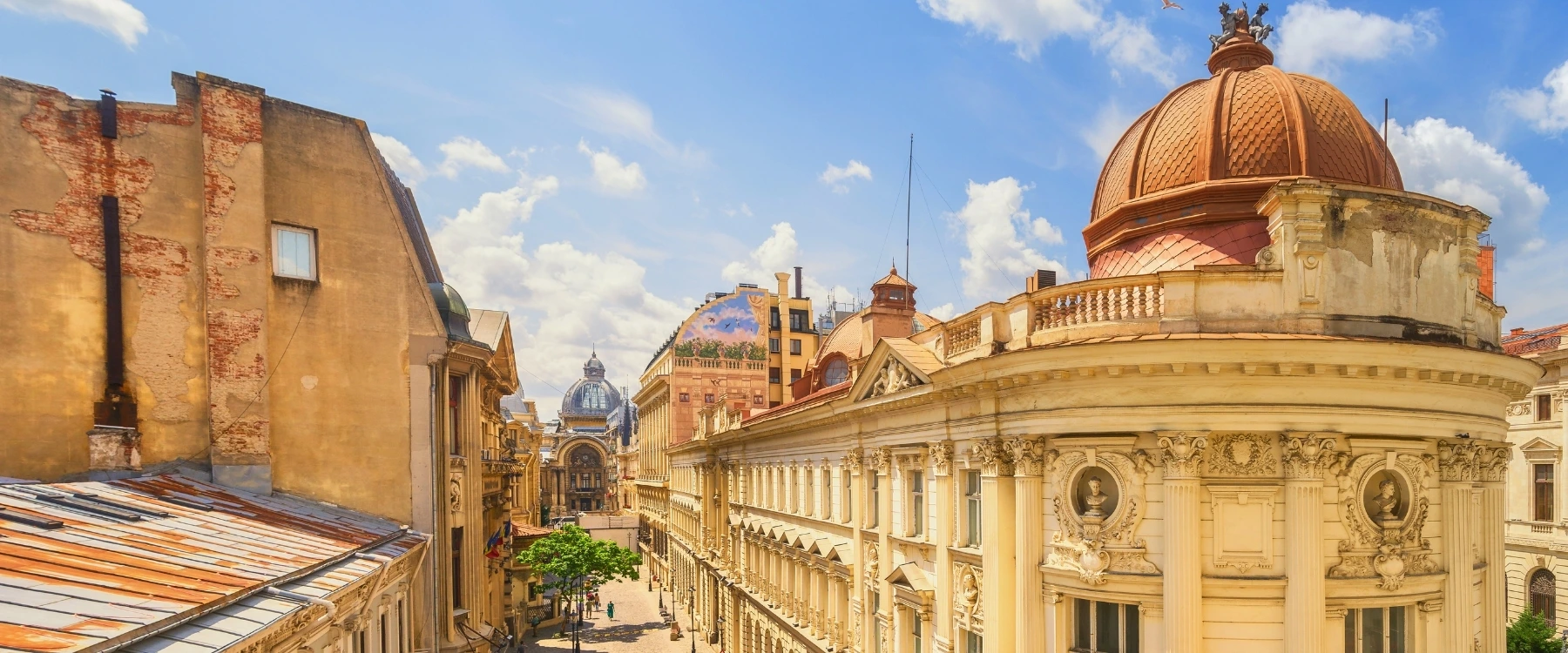
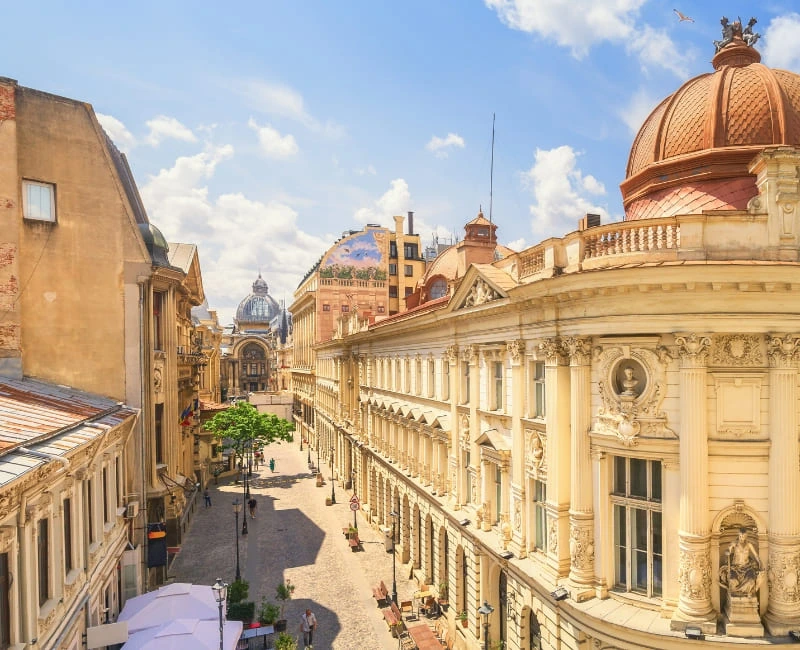
 Bucharest, Romania’s capital, has evolved from “Little Paris” in the early 20th century to a city blending historical grandeur and modern dynamism. A city break here reveals eclectic architecture, cultural venues, lively neighborhoods, and emerging creative scenes. Beyond Bucharest, cities like Cluj-Napoca, Timișoara, and Iași exemplify urban renaissance, featuring universities, tech hubs, arts festivals, and vibrant nightlife.In Bucharest, start at the monumental Palace of the Parliament—one of the largest administrative buildings globally—to appreciate its scale and history, though tours inside require advance booking. Nearby, the historic Lipscani district (Old Town) offers winding streets lined with renovated buildings, cozy cafés, art galleries, and restaurants serving traditional and modern Romanian cuisine. Architectural highlights include neo-Romanian style churches, Art Nouveau facades, and remnants from various eras. Visit the Romanian Athenaeum, an ornate concert hall hosting classical music performances, and the National Museum of Art housed in the former royal palace.Thematic walking tours explore communist-era architecture and narratives: walk along Victory Avenue (Calea Victoriei) to see interwar and communist-era buildings, or take a guided “Communism Tour” to understand Bucharest’s transformation and resilience. Contemporary art spaces and galleries in neighborhoods like Cotroceni and Piata Victoriei host exhibitions by Romanian and international artists. Street art tours reveal murals reflecting social commentary and creative expression.Cluj-Napoca, the unofficial capital of Transylvania, buzzes with university life and innovation. Cafés, co-working spaces, and craft beer pubs populate streets near the central square. Cultural festivals—film, music, technology—occur year-round. Explore the Ethnographic Museum for folk heritage, and head to the Cetățuie Hill for panoramic city views. Timișoara, designated European Capital of Culture in 2023, mixes Austro-Hungarian architecture, riverside promenades, and a multicultural legacy. Iași, in Moldavia, offers historic monasteries, the Palace of Culture, and literary heritage linked to Romania’s intellectual history.Urban gastronomy: In Bucharest and other cities, dining ranges from street food (covrigi pretzels, mici grilled rolls) to fine-dining restaurants reinterpreting Romanian flavors. Cafés serve specialty coffees alongside traditional sweets like papanasi (fried doughnuts with cheese and jam). Craft breweries showcase local hops and recipes. Markets like Bucharest’s Obor provide fresh produce and local delicacies for a self-guided tasting tour.Nightlife: Bucharest’s nightlife features rooftop bars, jazz clubs, and late-night venues. Live music venues showcase Romanian folk, jazz, and indie scenes. Cluj and Timișoara also have lively bar scenes, student-friendly events, and cultural soirées blending music, art, and community gatherings.Wellness and relaxation: Urban spas, wellness centers, and nearby thermal resorts (e.g., Snagov, Căciulata) offer escapes from city bustle. Parks like Herăstrău and Cișmigiu in Bucharest provide green respites; guided bike tours explore city parks and lakeside routes.Cultural calendar: Bucharest hosts international film festivals, fashion weeks, book fairs, and performing arts seasons at theaters like Bucharest National Theatre and Opera House. Cluj International Film Festival and Untold music festival attract global audiences; Timișoara’s cultural events showcase cross-genre collaborations.Accessibility: Major cities are well-connected by domestic flights, trains, and buses. Public transport within cities includes trams, buses, metros (Bucharest). Ride-sharing and taxis are widely available. Tourist information centers and multilingual guides aid navigation.Seasonality: Spring and autumn provide pleasant conditions for exploring outdoor terraces and festivals. Summer peaks with open-air events but can be hot. Winter brings holiday markets, festive lighting, and cozy indoor cultural events.Community-led initiatives: Urban regeneration projects often involve local communities—street art murals, pop-up markets, community gardens. Travelers can participate in workshops, language exchanges, or volunteering in cultural events, fostering deeper engagement and support for creative ecosystems.Safety and Tips: Cities are generally safe, but usual urban precautions apply. Booking accommodations in central or well-connected neighborhoods is recommended. Learn a few Romanian phrases, but English suffices widely in urban tourism contexts.In conclusion, Romania’s urban renaissance showcases cities balancing heritage and innovation. Bucharest’s layered history, Cluj’s youthful creativity, Timișoara’s multicultural charm, and Iași’s intellectual legacy form a compelling mosaic of experiences. Urban travelers discover not only historical landmarks but also contemporary culture, gastronomy, and community-driven initiatives reflecting Romania’s evolving identity in Europe.

Destination

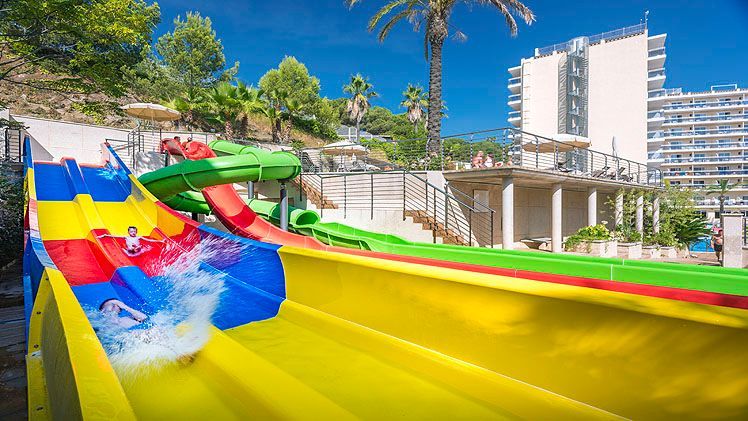
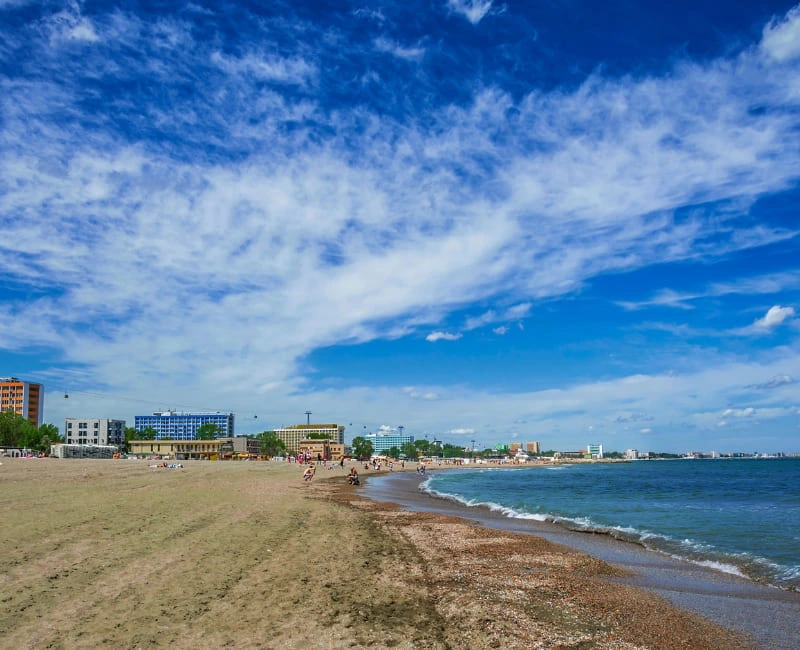
 Romania’s Black Sea coast stretches over approximately 245 kilometers of sandy beaches, dunes, and seaside resorts that balance lively atmospheres with quieter stretches for relaxation. The coastline combines resort towns, historic sites, and natural reserves, offering beachgoers, water sports enthusiasts, and culture seekers varied options.Mamaia, near Constanța, is Romania’s most popular resort: a narrow sandy strip between the Black Sea and Lake Siutghiol, lined with hotels, beach clubs, restaurants, and entertainment venues. Summer (mid-June to early September) sees lively beach parties, water slides, and festivals. Families and young travelers enjoy beach facilities and watersports (jet-skiing, windsurfing). For a quieter vibe, head to northern or southern sections of the shore outside peak weeks.Constanța, Romania’s main port city, blends urban exploration and seaside relaxation. Visit the Casino building (iconic art nouveau, undergoing restoration), Roman mosaics at the Museum of National History and Archaeology, and wander the old town with cafés and galleries. From here, day trips can include visits to nearby resorts or the Danube Delta.Further south, resorts like Mamaia Nord, Năvodari, and Eforie Nord/Sud offer varied atmospheres: Năvodari is family-friendly with shallow waters; Eforie Sud reputed for therapeutic mud treatments in the Techirghiol Lake area. For more secluded beaches, explore Vama Veche—a bohemian village near the Bulgarian border—known for alternative vibe, live music, and rustic camping by the sea.Coastal nature reserves, such as the Vama Veche-Sulina Biosphere Reserve, protect dunes, lagoons, and bird habitats. Ecotourism tours guide visitors through sensitive areas, emphasizing conservation. Early morning birdwatching along lagoons can reveal migratory species and coastal flora.Water sports on the Black Sea include sailing, kiteboarding at windy spots, and diving to explore Black Sea marine life and submerged landscapes. Several operators offer equipment rental and lessons, catering to beginners and experienced enthusiasts.Accommodation ranges from luxury hotels and all-inclusive resorts in major towns to family-run guesthouses and eco-lodges near nature reserves. Many beachfront establishments offer spa facilities, pools, and direct sea access. Off-season stays (spring or autumn) can be appealing for quieter exploration, lower rates, and witnessing migratory bird passages.Culinary experiences feature fresh seafood: grilled fish (e.g., black sea bream, turbot), mussels, and prawns paired with local wines. Beachfront restaurants serve international and Romanian dishes; markets in Constanța and smaller towns offer local produce and fish for self-catering stays.Festivals and events enliven the coast: summer concerts, beach parties, film screenings, and cultural celebrations. In Constanța, summer arts festivals and harbor events showcase regional music, dance, and crafts. Visitors can combine beach relaxation with cultural outings in port towns and coastal villages.Accessibility: The coast is reachable by road or train from Bucharest (approx. 2.5–3 hours drive or train to Constanța), or by domestic flights to Constanța (seasonal). From Constanța, local buses and taxis connect to resorts along the shore. Renting a car offers flexibility for exploring quieter beaches and inland attractions (e.g., Danube Delta).Seasonality: Peak summer (July–August) is busiest with warm sea temperatures. Shoulder seasons (May–June, September) provide milder weather, fewer crowds, and better rates, while some facilities may have reduced services. Spring and autumn visits are ideal for birdwatching and coastal hikes along dunes and wetlands.Health and Safety: Swimming conditions vary; follow local advisories. Some beaches have lifeguards during peak season. Sun protection is essential. For nature reserves, respect protected zones and follow guidelines to minimize impact on habitats.In sum, Black Sea Coast and Beach Resorts offer diverse experiences: from vibrant seaside towns and nightlife at Mamaia to tranquil villages and eco-adventures in protected areas. Romania’s coast balances relaxation, water sports, cultural explorations, and wildlife encounters, fitting varied traveler preferences and budgets.

Black Sea Coast and Beach Resorts

Discover world-famous destinations that continue to captivate travelers with their iconic landmarks, rich history, and vibrant cultures. These popular spots offer well-developed tourism infrastructure, diverse accommodation options, and countless activities for every type of traveler. While these destinations attract millions of visitors annually, they maintain their unique charm and continue to offer new experiences even for repeat visitors seeking to uncover hidden layers beyond the main attractions.

Hotel

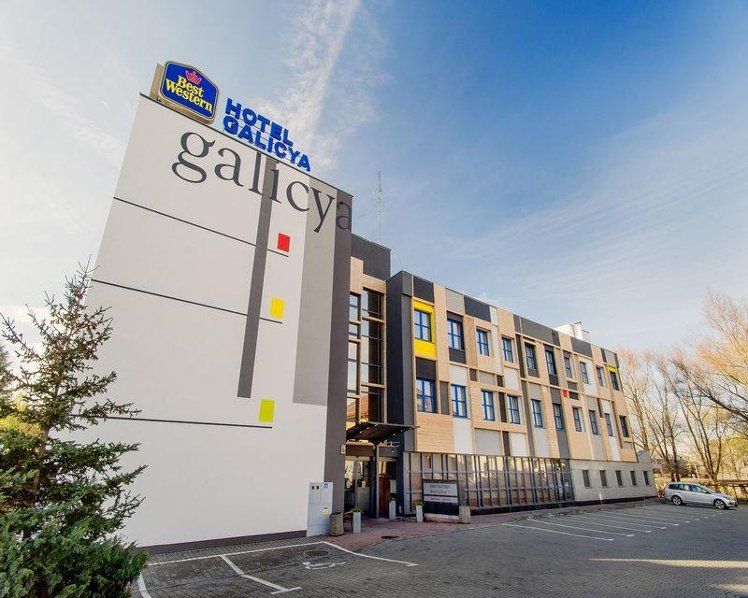
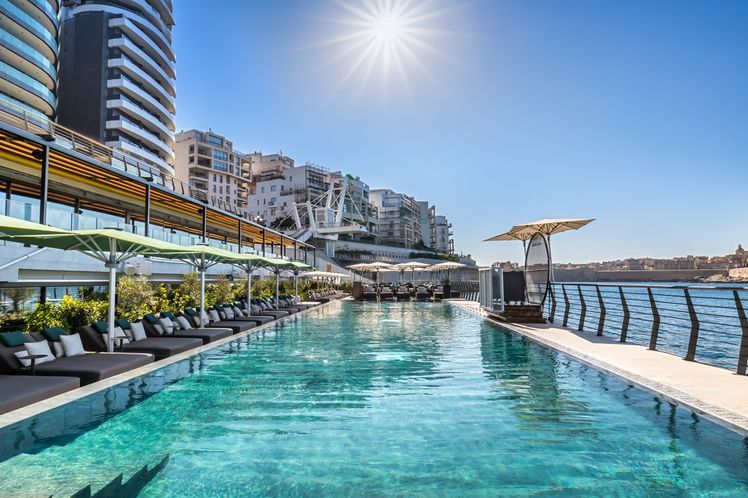
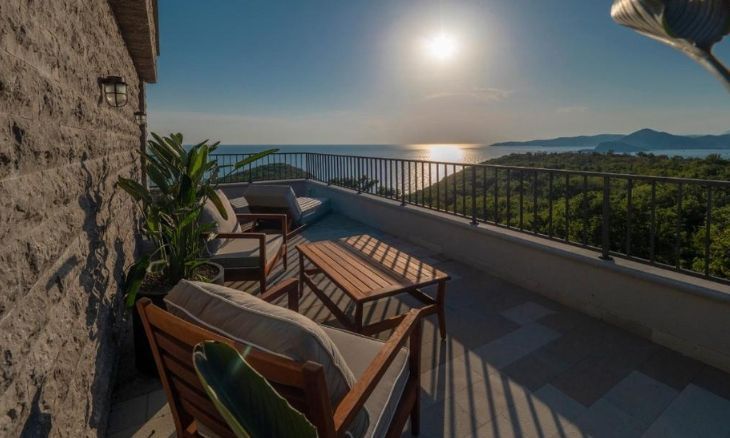
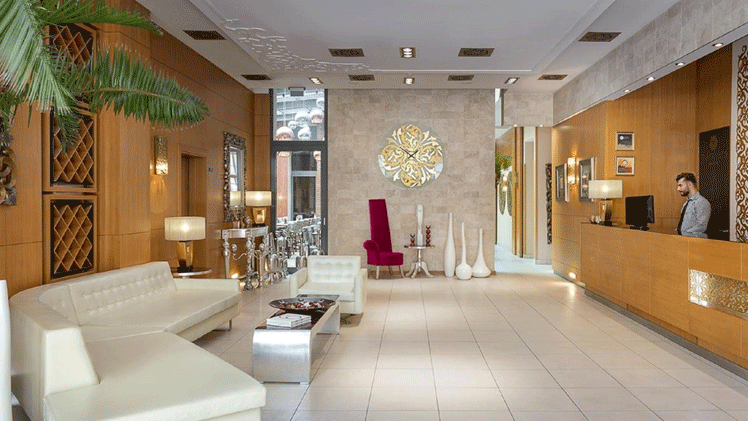
Indulge in premium accommodation options that offer exceptional service, world-class amenities, and exquisite dining experiences. Luxury hotels provide personalized attention, sophisticated design, and exclusive facilities that transform your stay into a memorable journey. From five-star city hotels to boutique resorts in exotic locations, these properties prioritize guest comfort and satisfaction while offering unique local experiences and impeccable hospitality standards.

Hotel

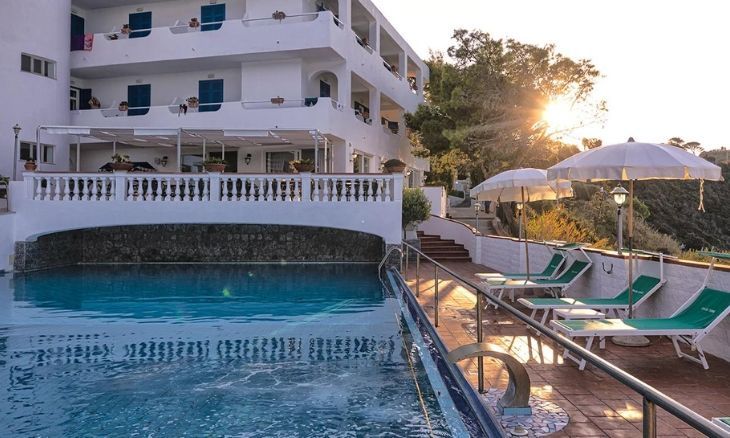
Find comfortable and affordable lodging options that don't compromise on quality or experience. Budget hotels, hostels, and guesthouses offer excellent value for money while providing clean, safe accommodations in convenient locations. Many budget options feature communal spaces that encourage social interaction, local recommendations from knowledgeable staff, and authentic experiences that allow travelers to stretch their budget further while exploring new destinations.

Join our newsletter
Subscribe to see secret deals prices drop the moment you sign up!

No ads. No trails. No commitments