
Serbia

Serbia

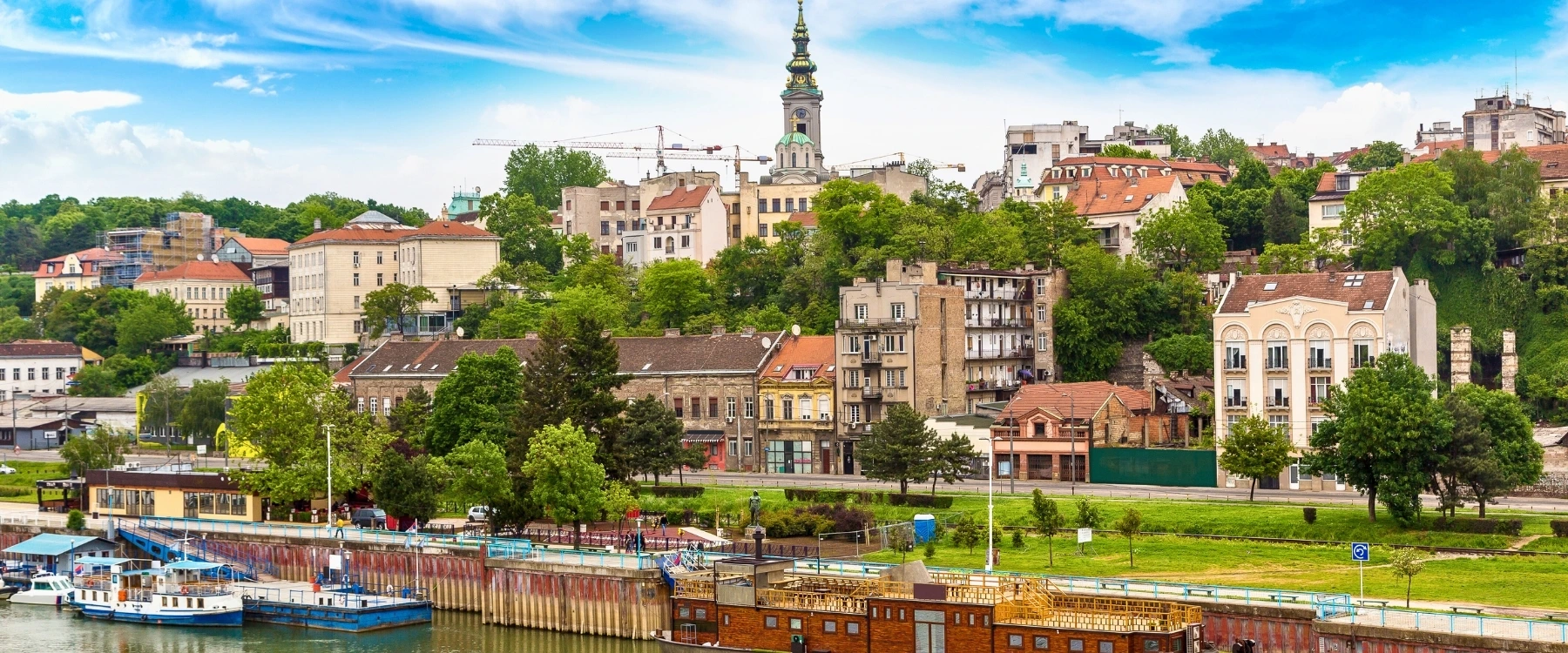
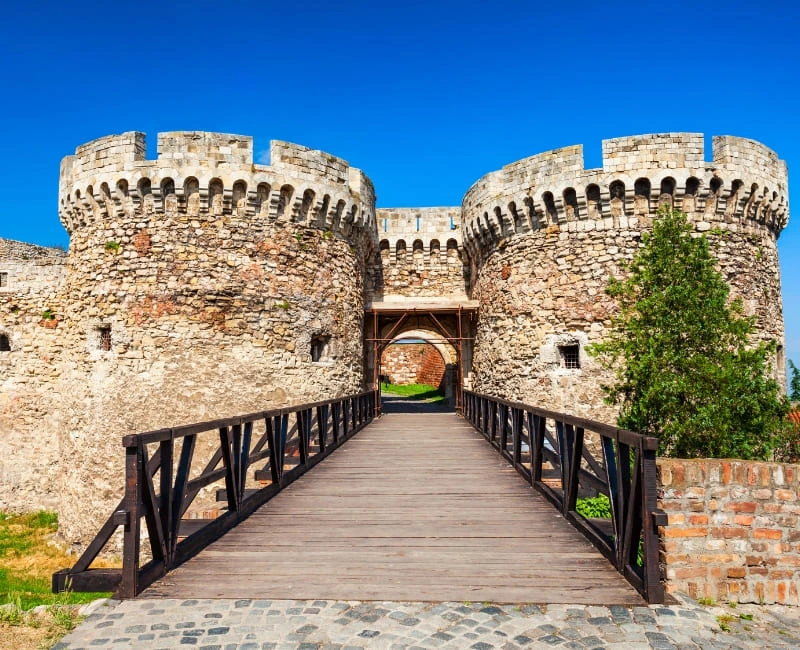
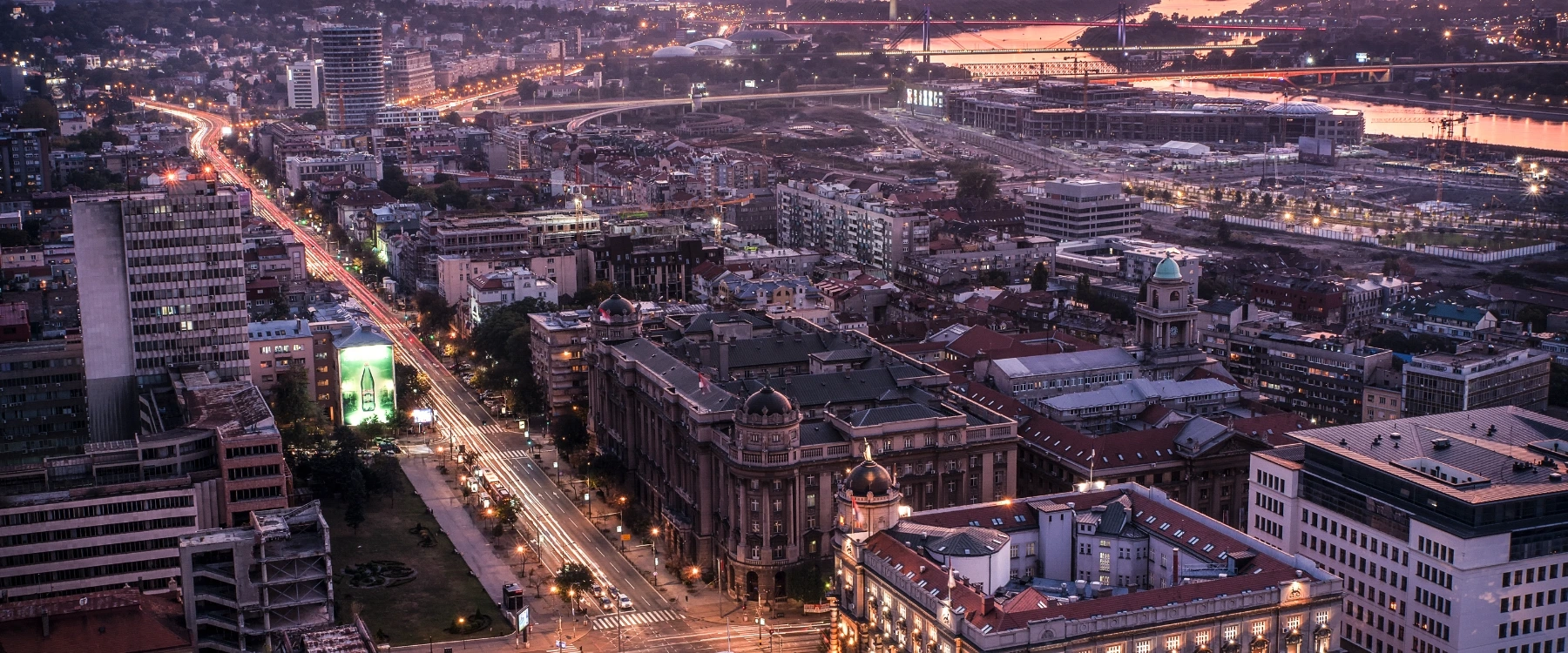
Serbia, nestled in the heart of the Balkan Peninsula, offers an enticing mix of history, culture, natural beauty, and affordability that appeals to diverse traveler profiles. Belgrade, the nation’s lively capital at the confluence of the Sava and Danube rivers, embodies this blend. Here, the sprawling Belgrade Fortress—with its layers of Roman, Byzantine, and Ottoman ramparts—overlooks the rivers and cityscape, while the adjacent Kalemegdan Park provides shaded promenades. By day, explore museums like the National Museum of Serbia and Museum of Yugoslavia; by night, hop between floating river clubs (“splavs”) for electronic beats or traditional kafana taverns offering live folk music.A short drive north brings you to Novi Sad, Serbia’s second city, where the revitalized Petrovaradin Fortress hosts the internationally renowned EXIT Festival each July. Stroll the elegant Dunavska Street along the Danube promenade, sampling štrukli pastries and local fruška gora wines. The fertile slopes of Fruška Gora—Serbia’s “jewel” national park—are dotted with historic Orthodox monasteries dating to the 16th century, including Krušedol and Novo Hopovo, where frescoes and serene cloisters await exploration.South of the Danube, Serbia’s topography becomes more dramatic. Tara National Park features dense fir forests, deep gorges, and the stunning Drina River meander, perfect for hiking, kayaking, and wildlife spotting (including the endemic brown bear). Further south, the meandering curves of the Uvac River carve spectacular limestone canyons and cliffs, accessible via boat tours or scenic overlooks—prime locations for photographing griffon vultures in flight.In winter, Kopaonik—Serbia’s premier ski resort—draws skiers and snowboarders to its well-groomed pistes and modern lifts. Off-season, its alpine meadows bloom with wildflowers. Culinary travelers will relish hearty specialties: ćevapi (grilled minced-meat sausages) served with somun bread and kajmak cheese, pljeskavica (Balkan burger), and sarma (cabbage rolls), all complemented by robust domestic wines and brandies like slivovitz.Belgrade’s Nikola Tesla Airport and regional hubs in Novi Sad, Niš, and Kraljevo ensure convenient access, while an expanding network of budget airlines connects Serbia to Europe and the Middle East. Once here, efficient intercity buses and trains, as well as affordable car rentals, facilitate independent exploration.With budget-friendly prices—often half of Western European rates for accommodation, dining, and transport—Serbia invites extended stays and spontaneous detours. Seasonal festivals beyond EXIT, such as Guča Trumpet Festival and Nišville Jazz Festival, highlight local traditions and global influences. Whether you’re delving into medieval monasteries, dancing on a riverside splav until dawn, or hiking through pristine national parks, Serbia delivers an authentic, off-the-beaten-path European experience that lingers long after your journey ends.

Travila Serbia Travel Guide

What to know before Travelleing

Paris is known around the world as the “capital of love,” and even if you don't understand the history of Paris at all

Language: Serbian
Peak Season: March to May and September to October
Time Zone: UTC+1 (CET)
Currency: Serbian Dinar (RSD)
Travila

2.3 Hours

Average Flight Time

£1.83

Price Of Pint
Transport
Best time to visit

Top Destinations in Serbia

Belgrade’s Historical Heart

 Belgrade, Serbia’s capital, is a city where history’s layers are on vivid display. At its core stands the Belgrade Fortress (Kalemegdan), perched at the confluence of the Sava and Danube Rivers. This strategic site has seen Hellenistic settlers, Roman outposts, Byzantine rule, Ottoman occupations, and Austro-Hungarian influences. Wandering its ramparts offers panoramic views of the rivers and modern cityscape, while on-site museums and archaeological remains reveal centuries of military and civilian life. Key structures include the Victor Monument symbolizing victory over the Ottomans, and the Ružica Church nestled within fortress walls. Beyond the fortress, the pedestrian Knez Mihailova Street, lined with 19th-century facades, leads to Republic Square and the National Museum, housing artifacts from prehistory through the medieval era. The nearby Church of Saint Marko and Saint Sava Temple—one of the largest Orthodox churches in the world—exemplify Serbia’s spiritual heritage. Smaller museums, such as the Museum of Yugoslavia and Tito’s Mausoleum, provide insight into 20th-century history and socialist Yugoslavia’s legacy. Belgrade’s bohemian quarter, Skadarlija, retains its 19th-century charm with cobblestone streets, traditional restaurants (kafanas), and live music, giving a taste of old Serbian conviviality. Visit nearby historical sites for day-trips: the Oplenac complex in Topola, featuring King Peter’s mausoleum and mosaics depicting Serbian medieval history; or Smederevo Fortress, a vast 15th-century stronghold on the Danube once intended as capital. Novi Sad’s Petrovaradin Fortress, known as “Gibraltar on the Danube,” hosts cultural events like EXIT Festival in a setting rich with Austro-Hungarian architecture. Each site reflects different epochs, collectively narrating Serbia’s multifaceted past. Engaging local guides deepens understanding of legends, battles, and everyday life across eras. Belgrade’s evolving urban landscape juxtaposes modern boutiques and street art with historical monuments, illustrating continuity and change. This guide encourages travelers to delve into Belgrade’s historic core, exploring museums, churches, fortresses, and neighborhoods to appreciate Serbia’s cultural tapestry.
Monasteries of Central Serbia

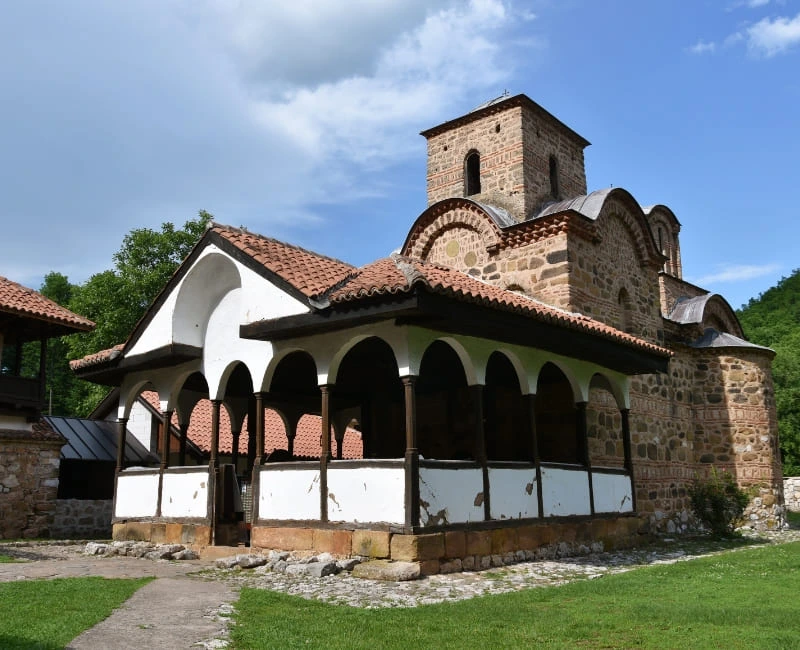
 Central Serbia hosts some of the most important Serbian Orthodox monasteries, many dating to the medieval period. Studenica Monastery, founded in the 12th century by Stefan Nemanja, Serbia’s founder, is renowned for its white marble church and exquisite Byzantine frescoes, illustrating biblical scenes with vivid colors. Recognized as a UNESCO World Heritage Site, Studenica lies in a tranquil valley surrounded by forests, offering spiritual solace and architectural admiration. Nearby Sopocani Monastery, also 13th-century, features remarkable frescoes blending Byzantine and local styles. Žiča Monastery, traditionally the coronation site of Serbian medieval kings, stands on a hill overlooking open fields. Its striking red exterior and historic significance as an ecclesiastical center make it a must-visit. Rača Monastery, hidden in the Tara region’s forests, was a center of manuscript copying and resistance during Ottoman rule; its serene atmosphere invites reflection. In Fruška Gora (though in Vojvodina), a cluster of monasteries like Grgeteg and Krušedol are set amid rolling hills and vineyards, combining spiritual visits with wine-tasting experiences. Organizing a monastery tour often involves guided transport from Belgrade or Niš to these rural locales. Travelers can join small-group excursions or rent a car to explore at their own pace. Seasonal variations: spring brings blooming landscapes; autumn colors accentuate monasteries; winter can be quiet and introspective, though weather may be challenging. Accommodation ranges from monastic guesthouses (depending on availability) to rural B&Bs, providing insight into local hospitality. Beyond religious architecture, these monasteries symbolize resilience in preserving Serbian culture during Ottoman centuries. Monastic libraries, frescoes, and church art reveal theological and artistic traditions. Interacting with monks, when possible, provides perspective on contemporary monastic life and traditions. Many monasteries hold annual celebrations (slava) and festivals tied to patron saints, where visitors can partake in services and local customs. Combining historical study with spiritual reflection and scenic drives, this guide encourages travelers to venture beyond urban centers into Serbia’s heartland, discovering the enduring legacy of faith and artistry that shaped national identity.
Tara National Park and Drina River Adventures

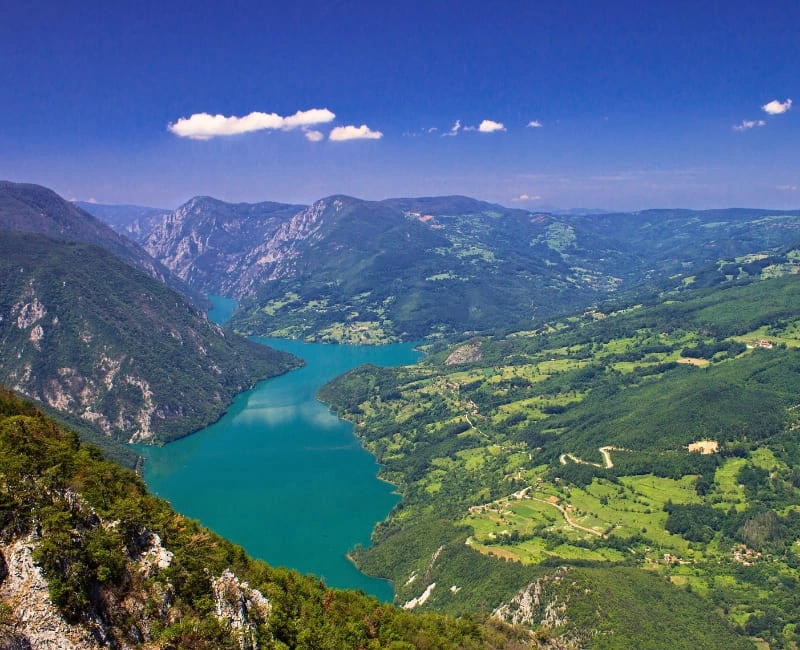
 Tara National Park, in western Serbia, is celebrated for its pristine forests, deep river gorges, and endemic wildlife. Trails wind through dense coniferous and deciduous woods, offering opportunities for hiking, birdwatching, and photographing landscapes. The Drina River, forming part of Serbia’s border, carves emerald waters through canyons, creating scenic viewpoints such as Banjska Stena with panoramic vistas of river bends. Adventure-seekers can engage in white-water rafting, kayaking, and canyoning on the Drina, guided by local outfitters ensuring safety and equipment. Wildlife spotting may include sightings of bears, wolves, and lynx in remote areas, though encounters are rare; more common are deer, boar, and diverse bird species. Uvac Special Nature Reserve (not far) offers a complementary experience: boat tours on meandering river canyons famed for griffon vultures, whose colonies nest on limestone cliffs. Photography enthusiasts especially appreciate the Uvac meanders at sunset or dawn. Accommodation near Tara ranges from mountain lodges and eco-cottages to campgrounds. Local hospitality emphasizes hearty Serbian cuisine, ideal after active days: freshly prepared soups, grilled meats, homemade bread, and rakija. Winter transforms Tara into a quieter retreat; snow-covered landscapes allow cross-country skiing or snowshoeing. Spring and autumn offer colorful foliage and comfortable temperatures for multi-day treks. Seasonal festivals celebrate local produce, honey, and traditional crafts in nearby villages. Planning visits involves arranging transport from Belgrade or Užice; roads through mountainous terrain require caution but yield rewarding scenery. Guided multi-day itineraries can combine Tara with Zlatibor or Mokra Gora (home of the Šargan Eight narrow-gauge railway), giving panoramic train rides through mountainous countryside. For nature lovers seeking off-the-beaten-path experiences, Tara and Drina region showcase Serbia’s wild side, blending active adventure with contemplative immersion in unspoilt landscapes.

Kopaonik and Zlatibor Getaways

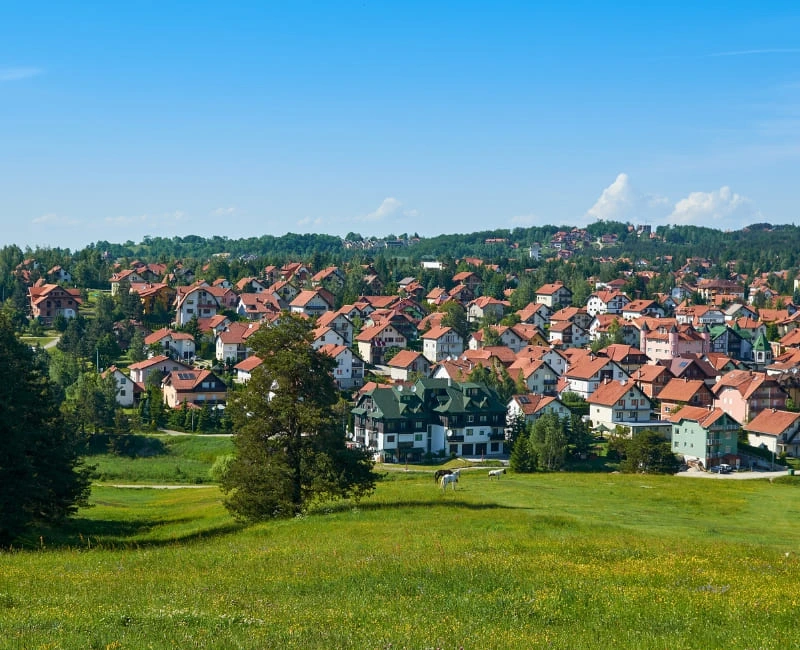
 Kopaonik, Serbia’s premier mountain resort, attracts visitors year-round. In winter, its slopes cater to skiers and snowboarders of all levels, with well-maintained pistes, modern lift systems, and comfortable lodges. Off-slope activities include spa facilities, après-ski nightlife, and wellness centers. Spring and summer transform Kopaonik into a hiking and biking haven: trails lead to dense forests, alpine meadows, and viewpoints revealing sweeping vistas. Botanical diversity includes endemic species, making guided nature walks informative for flora enthusiasts. Nearby Zlatibor offers a gentler mountain experience, popular for family holidays and wellness retreats. Its rolling hills, pine forests, and lakes create a tranquil environment. The newly developed gondola ride connects Zlatibor town to panoramic points, offering views over the region. Outdoor activities include horseback riding, cycling, paragliding, and zip-lining. In winter, Zlatibor has smaller ski areas suited for beginners and families. Local specialties, such as kacamak (cornmeal dish) and smoked ham (pršuta), are highlights in mountain restaurants. Both regions feature quality accommodation: mountain hotels, chalets, and eco-lodges. Wellness spas leverage natural springs to offer relaxation after active pursuits. Seasonal festivals include cultural events, music concerts in open-air settings, and local produce fairs showcasing honey, cheese, and artisanal goods. Families can visit attractions such as Tara National Park nearby or the Drvengrad (“Mecavnik”) ethno-village by director Emir Kusturica on the Mokra Gora railway line. Accessibility: Kopaonik is reachable by road from Belgrade via Čačak; Zlatibor via Užice. Bus services and private transfers connect major cities. Planning multi-day itineraries enables visitors to experience both regions’ contrasts: Kopaonik’s higher altitude and skiing focus versus Zlatibor’s gentle slopes and family-oriented offerings. Every season highlights different aspects: winter sports, spring wildflowers, summer cool relief from lowland heat, and autumn foliage. This guide encourages travelers to combine adventure and relaxation in Serbia’s mountain landscapes, demonstrating the country’s versatility beyond urban centers.

Destination

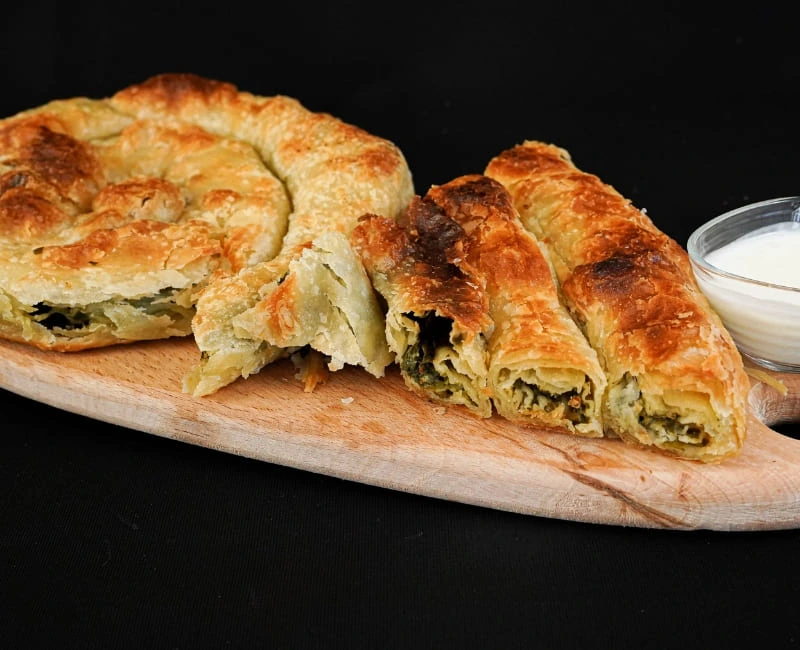
 A journey through Serbia is also a journey through its hearty and flavorful cuisine. Traditional dishes reflect agricultural heritage and regional diversity. Start with breakfast in Belgrade or Novi Sad: fresh burek (flaky pastry filled with cheese, meat, or spinach) paired with strong coffee. For lunch or dinner, explore grilled specialties: ćevapi (minced meat sausages) served with somun (flatbread) and onions; pljeskavica (Serbian burger) often topped with kajmak (creamy dairy product). Savour sarma (cabbage rolls stuffed with meat and rice) and bean stew (pasulj), emblematic of comfort food. Street-food culture is vibrant: pastry kiosks, quick ćevapi stands, and sweet treats like palačinke (crepes) with various fillings. In rural areas and mountain regions, seasonal foraging contributes ingredients: mushrooms in autumn, berries in summer. Markets display fresh produce: peppers, tomatoes, cucumbers, plums, and grapes. Wine tourism is growing: Fruška Gora vineyards near Novi Sad produce whites (e.g., Grašac) and reds (e.g., Prokupac). Wine cellars often pair tastings with local cheeses and charcuterie. Vojvodina’s flatlands and hilly fringes host family-run wineries; guided tours explain viniculture and traditions. Rakija, Serbia’s fruit brandy (plum “šljivovica” being emblematic), is offered in many hospitality settings; tastings highlight artisanal distilleries. Culinary workshops in Belgrade or countryside may teach preparation of traditional dishes, from kneading dough for bread to rolling sarma. Farm stays allow immersive experiences: collecting eggs, milking goats for cheese, or participating in harvests. Gastronomic festivals celebrate cherries, herbs, honey, and truffles in select regions. Dining in kafanas (traditional taverns) offers live music (folk or tamburica ensembles) and a convivial atmosphere. Modern dining scene: fusion restaurants reinterpret Serbian classics with contemporary twists; vegetarian and vegan options are increasingly available. Coffee culture thrives in urban cafés, while bars offer craft beers and innovative cocktails using local ingredients. Budget-friendly dining makes Serbia attractive for food-focused travellers seeking variety without high costs. This guide outlines routes for tasting Serbia: city food tours in Belgrade and Novi Sad, wine-route itineraries in Vojvodina, and rural culinary immersion in mountainous villages.

Culinary Journey through Serbian Flavours

Discover world-famous destinations that continue to captivate travelers with their iconic landmarks, rich history, and vibrant cultures. These popular spots offer well-developed tourism infrastructure, diverse accommodation options, and countless activities for every type of traveler. While these destinations attract millions of visitors annually, they maintain their unique charm and continue to offer new experiences even for repeat visitors seeking to uncover hidden layers beyond the main attractions.

Hotel

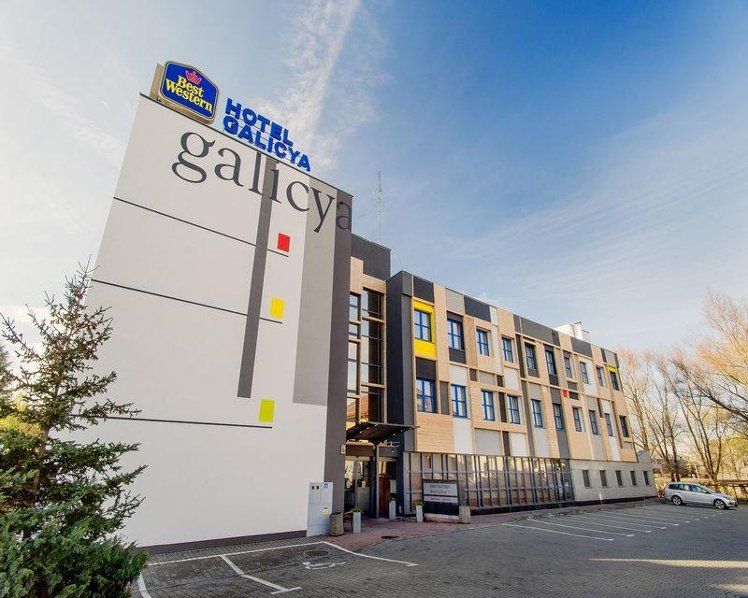
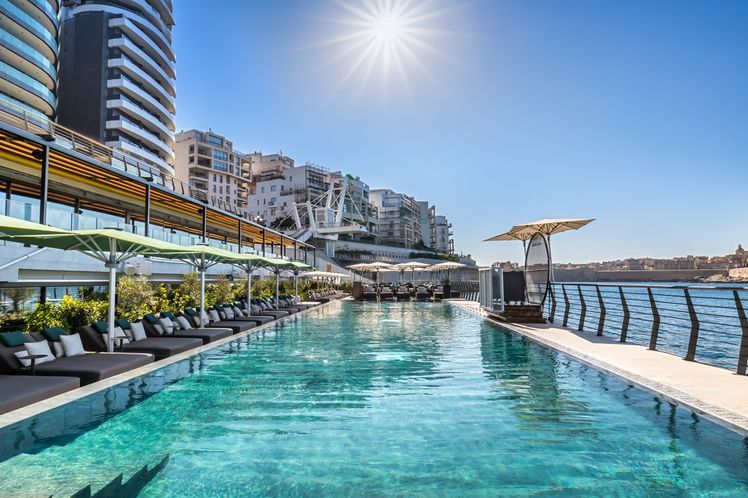
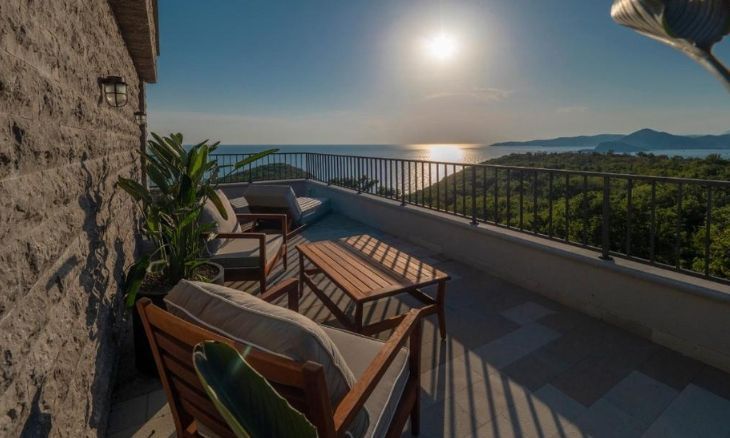
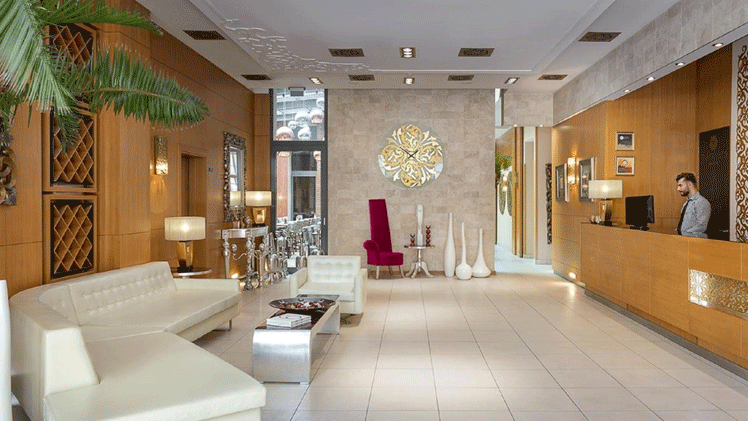
Indulge in premium accommodation options that offer exceptional service, world-class amenities, and exquisite dining experiences. Luxury hotels provide personalized attention, sophisticated design, and exclusive facilities that transform your stay into a memorable journey. From five-star city hotels to boutique resorts in exotic locations, these properties prioritize guest comfort and satisfaction while offering unique local experiences and impeccable hospitality standards.

Hotel

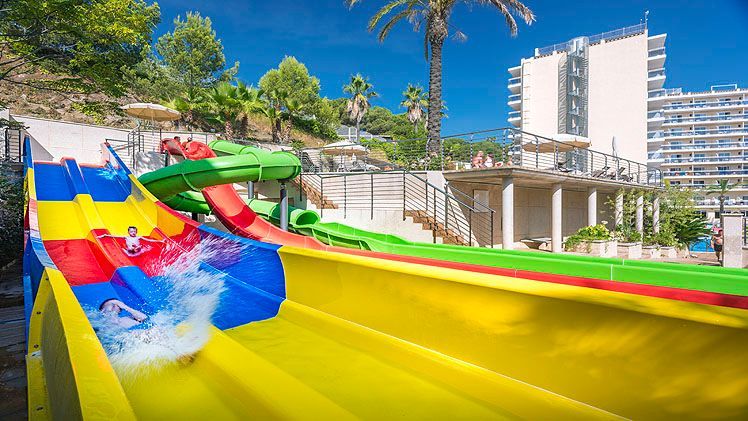
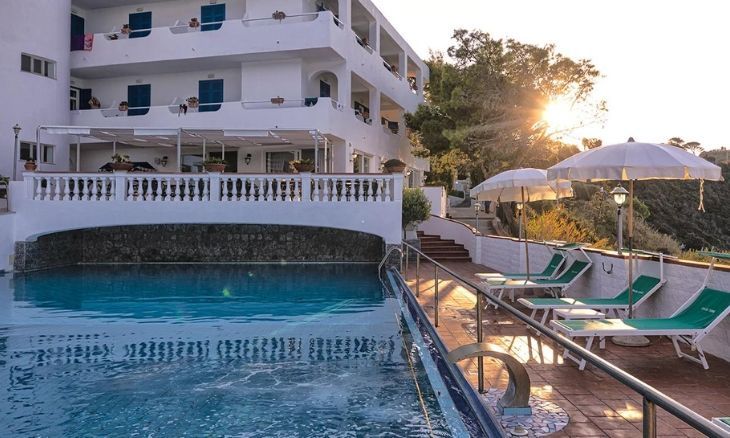
Find comfortable and affordable lodging options that don't compromise on quality or experience. Budget hotels, hostels, and guesthouses offer excellent value for money while providing clean, safe accommodations in convenient locations. Many budget options feature communal spaces that encourage social interaction, local recommendations from knowledgeable staff, and authentic experiences that allow travelers to stretch their budget further while exploring new destinations.

Join our newsletter
Subscribe to see secret deals prices drop the moment you sign up!

No ads. No trails. No commitments