

 Singapore Travel Guide

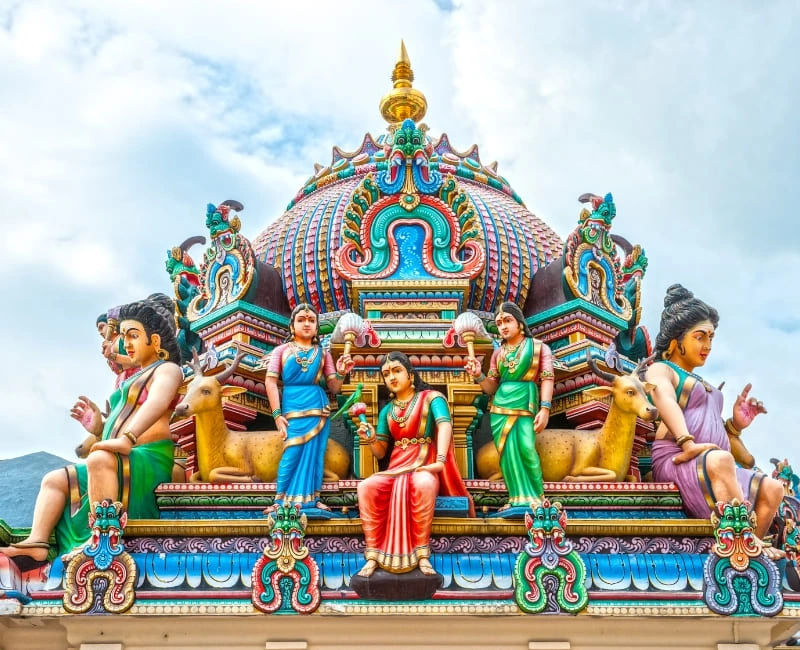
Singapore’s multicultural heritage shines through its district landscapes, rituals, and community stories. Begin in Chinatown, where colorful shop-houses line narrow streets. At the Buddha Tooth Relic Temple, marvel at the ornate façade and learn about its role as a Buddhist worship center. Stroll along Pagoda Street to Chinatown Food Street, where hawkers serve local favorites like char kway teow and bak kut teh. The Chinatown Heritage Centre occupies restored shophouses, presenting immersive dioramas of early Chinese immigrants’ lives.A short walk brings you to the Sri Mariamman Temple, Singapore’s oldest Hindu sanctuary. Admire its intricate gopuram (gateway tower) and, if timing allows, observe a puja ritual or the vibrant procession during Thaipusam.Next, head to Kampong Glam, the Malay-Muslim quarter. The golden dome of Sultan Mosque marks the skyline—enter during non-prayer hours to see its prayer hall and ornate carpets. Explore Arab Street for Middle Eastern textiles and perfumeries, then visit the Malay Heritage Centre to view exhibits on Malay royal traditions. Along Haji Lane, find street art and independent boutiques in restored shophouses.In Little India, senses are awash in color and spice. At Tekka Centre, vendors sell fresh flowers, spices, and Indian sweets such as jalebi and ladoo. The Sri Veeramakaliamman Temple is renowned for its vivid sculpted deities. Nearby, partake in a spice-blending workshop to understand masala compositions essential to Indian cuisine.Each neighborhood features mural walks—from Peranakan motifs in Joo Chiat to Arab heritage murals on Kandahar Street—depicting migration stories and cultural fusion.Deepen your understanding through guided heritage trails that include storytelling sessions with community elders and craft workshops: try Peranakan tile painting, batik at Malay Village, or kueh (traditional pastry) classes in a Peranakan home.Plan your visit around major festivals—Chinese New Year lion dances light up Chinatown, Deepavali street light-ups in Little India, and Hari Raya Puasa bazaars in Kampong Glam—offering firsthand experience of living traditions.By engaging with these cultural landmarks—beyond mere sightseeing—you’ll gain insight into the resilience, creativity, and community bonds that define Singapore’s plural identity.
Singapore’s festival calendar and traditional arts scene bring its multicultural heritage vividly to life. Chinese New Year transforms Chinatown into a sea of red lanterns, where spirited lion and dragon dances weave through streets, blessing businesses and homes. In Little India, Deepavali (the Festival of Lights) illuminates covered walkways with oil lamps and colorful rangoli patterns; you can join temple prayers, sample mithai (Indian sweets), and admire sari-clad devotees.When Hari Raya Aidilfitri arrives, Geylang Serai rounds into a bustling bazaar, offering rich Malay dishes—ketupat, rendang, kueh lapis—and cultural performances of silat (martial arts) and traditional dances. The Mid-Autumn (Mooncake) Festival sees lantern parades in neighborhoods like Chinatown, and tasting sessions showcase lotus-seed, salted-egg yolk, and modern pandan-flavored mooncakes.The Chingay Parade, Singapore’s largest street procession, dazzles each February with stilt-walkers, acrobats, and ornate floats celebrating national unity. For a deeper dive into performing arts, head to the Esplanade. Its stages feature Malay gamelan ensembles, Chinese guzheng solos, Indian classical recitals, and multicultural fusion shows. Short workshops teach basic drumming, dance steps, or instrument handling.Visual and craft traditions flourish in community and heritage centers. Peranakan exhibitions display intricate ceramics, beadwork, and fabrics, while live batik and woodcarving demonstrations highlight Malay artisanal skills. Hands-on sessions invite you to create Chinese paper lanterns, weave simple bead accessories, or prepare traditional kueh under artisans’ guidance.Beyond marquee events, guided tours of clan associations in Chinatown or kampong-style heritage homes in Katong uncover oral histories and rituals rarely seen by casual visitors. During festival seasons, some local families open their homes for homestays or private cooking classes, offering authentic insights into daily customs and festive preparations.Contemporary reinterpretations—multimedia installations, street-art murals, and fusion performances—reflect Singapore’s evolving identity. Documenting your experiences through journaling or photography deepens personal engagement with living heritage.Practical tips: Festival dates often follow lunar calendars—check schedules early and book performance tickets or workshop slots in advance. When visiting places of worship or participating in rituals, dress modestly and observe local etiquette.By immersing yourself in Singapore’s traditional arts and festivals, you forge meaningful memories and gain profound insights into a society that celebrates its past while innovating for the future.