


 South Africa Travel Guide



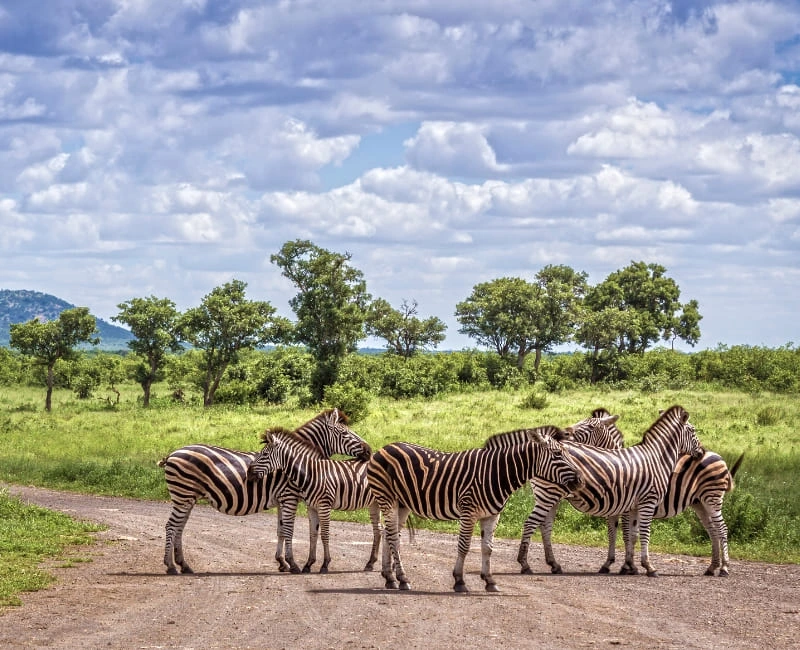
Kruger National Park stands as the flagship safari destination in South Africa, famed for its size, biodiversity, and accessibility. Covering nearly 20,000 square kilometres, Kruger offers an unparalleled opportunity to witness the Big Five—lion, elephant, buffalo, leopard, and rhinoceros—in varied ecosystems ranging from mopane woodlands to riverine forests. Early morning game drives reveal predators returning from nocturnal hunts, while afternoon drives may uncover elephants bathing by waterholes or herds of plains game grazing at sunset. Beyond Kruger’s boundaries, adjacent reserves like Sabi Sand, Timbavati, and Manyeleti grant exclusive, private-reserve experiences: fewer vehicles, luxurious lodges, and intimate ranger-led excursions. These areas often provide walking safaris, night drives, and photographic hides where one may observe nocturnal creatures such as owls, genets, and honey badgers.Seasonality is key: the dry winter months (May to September) are ideal for sightings, as scarce water concentrates wildlife around remaining water sources, offering clear viewing and photography conditions. Birding enthusiasts also benefit as migratory and resident species gather at choke points. While Kruger is extensive, South Africa’s broader safari offerings include Madikwe Game Reserve (malaria-free, family-friendly), Pilanesberg near Johannesburg, and Hluhluwe-Imfolozi in KwaZulu-Natal—each with distinctive habitats and species mixes, from endangered wild dogs to rare rhino populations. Accommodation ranges from rustic bush camps to ultra-luxury lodges with private plunge pools overlooking waterholes. Many lodges integrate conservation initiatives, enabling guests to contribute to anti-poaching efforts and habitat preservation.Beyond traditional game viewing, guided bushwalks under ranger supervision deepen understanding of tracks, signs, and smaller creatures that often go unnoticed on vehicle drives. Night safaris reveal the nocturnal world: leopards moving silently, hyenas calling in the distance, and perhaps sightings of lesser-known species like aardvarks or porcupines. Photographers and naturalists find endless fascination in the shifting patterns of light and movement across the savannah. To optimise the safari experience, plan stays of multiple nights to vary times of day and reserve locations. Combining Kruger with private reserves ensures a balance of public-park adventure and exclusive encounters. Whether you are a first-time safari-goer or a seasoned wildlife enthusiast, South Africa’s wildlife and nature experiences deliver lifelong memories and meaningful contributions to conservation efforts.
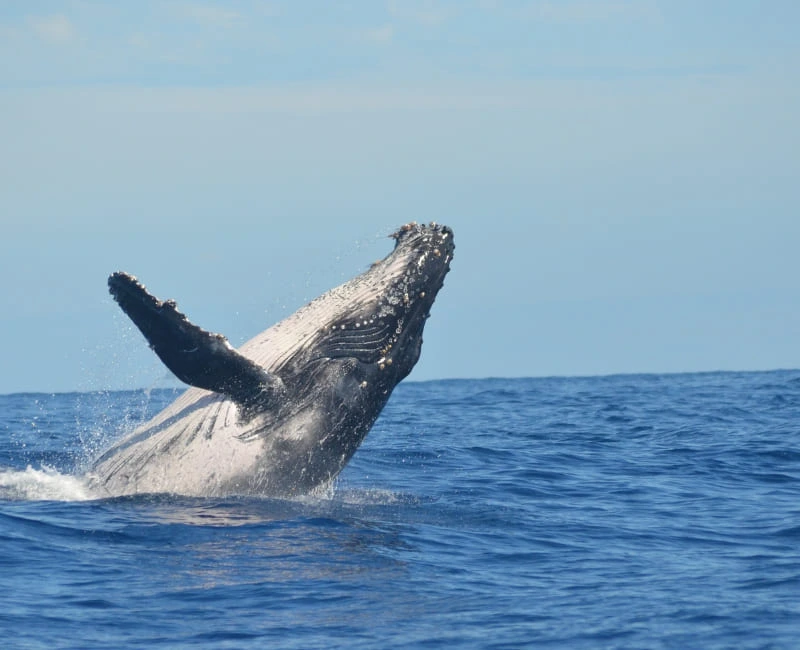
Hermanus, on the southern coastline of the Western Cape, is globally renowned for shore-based whale watching, offering one of the few places where southern right whales come within metres of the cliffs between June and December. The town’s famous cliff paths provide elevated vantage points to spot spouts, breaches, and the distinct black-and-white forms of these gentle giants against the turquoise sea, without necessarily needing a boat. A “whale crier” patrols the paths, announcing sightings and guiding visitors to the best viewpoints. Boat-based tours further enhance the experience, bringing you closer to these majestic mammals in calm bays, with expert guides sharing insights about whale behavior, breeding, and migration patterns.Beyond southern right whales, Hermanus visitors may encounter humpback whales, Bryde’s whales, and dolphins. The biodiversity extends to seabirds, seals, and coastal flora, making coastal hikes rich in natural discoveries. Combining whale-watching excursions with visits to nearby vineyards creates a balanced itinerary: sample acclaimed wines in Hemel-en-Aarde Valley, where cool-climate vintages thrive. Accommodation options range from boutique guesthouses overlooking Walker Bay to luxury lodges offering spa treatments and ocean views.Seasonal highlights include the annual Whale Festival celebrating marine conservation, local culture, and community engagement. Guided eco-experiences—such as kayaking amongst sea life or marine educational tours—provide deeper understanding of ocean ecosystems. Conservation organisations in the area often welcome volunteer participation or educational visits, allowing travellers to support research and protection efforts for whales and other marine species.Accessibility: Hermanus is roughly a 90-minute drive from Cape Town; many travellers combine a stay here as part of a broader Western Cape road trip. The region’s scenic beauty extends inland to mountain fynbos landscapes, offering hiking, mountain biking, and birding opportunities. For families, the safe coastal environment and informative river cruises along the Breede River add diversity. Whether witnessing whales from cliff tops or board a small vessel for close encounters, Hermanus encapsulates South Africa’s devotion to wildlife conservation and offers an unforgettable marine wildlife experience within a charming coastal town setting.