

 Sweden Travel Guide


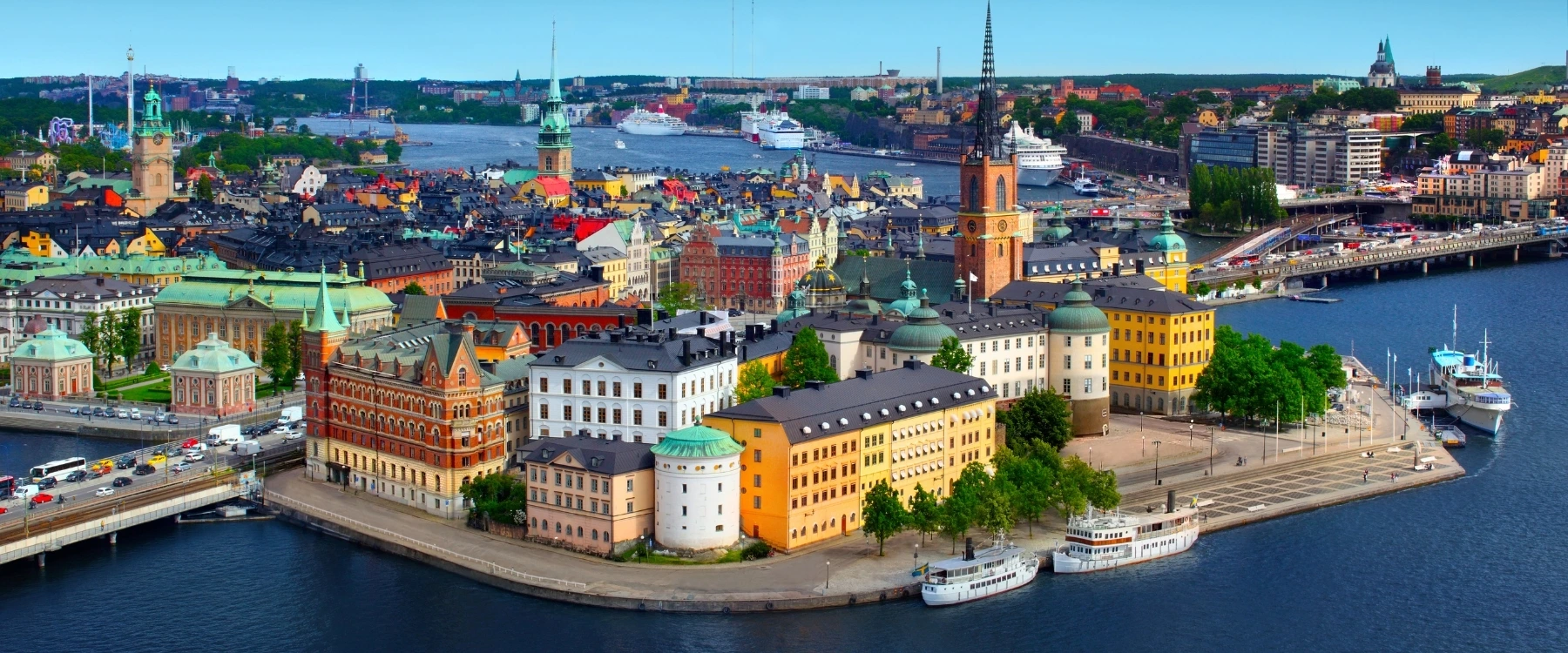

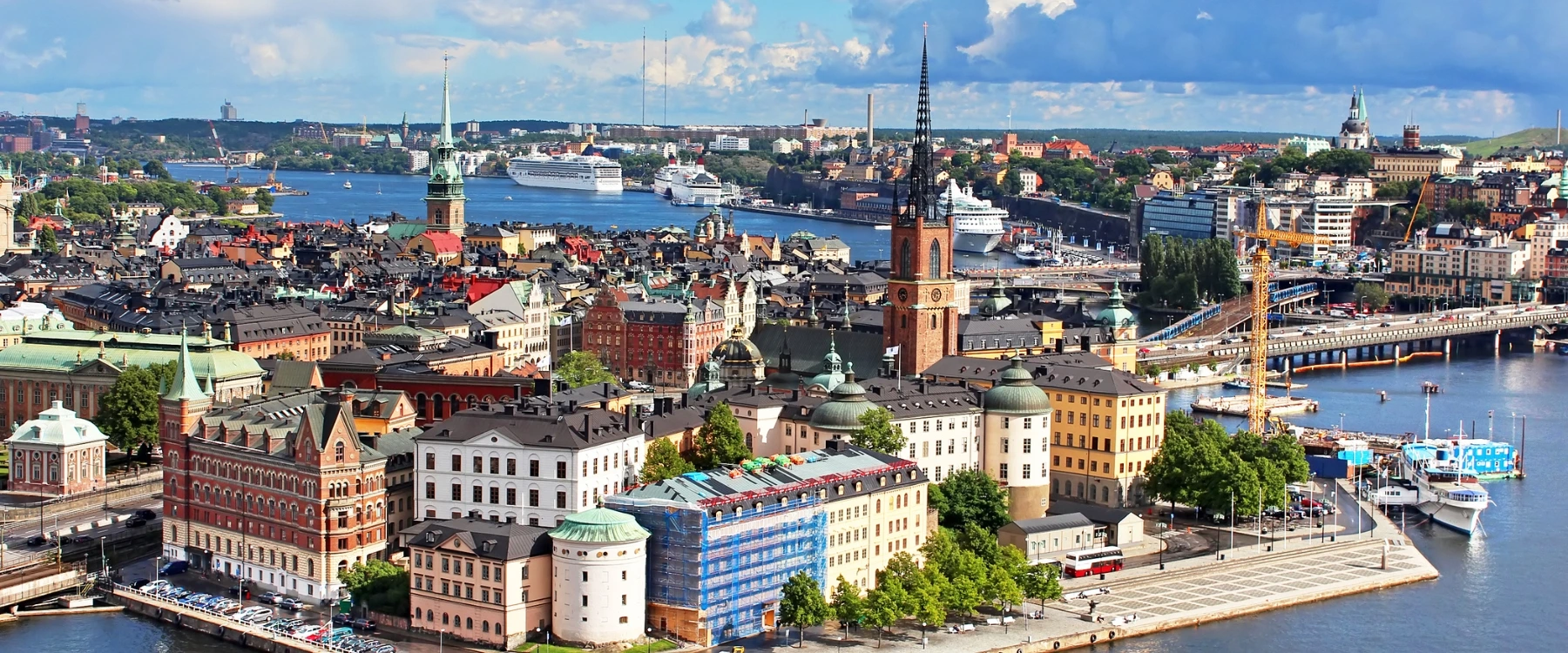
Stockholm, Sweden’s capital, melds history and modernity across its 14 islands. Begin in Gamla Stan, the Old Town: narrow cobblestone streets wind past pastel-colored buildings, cozy cafés, and boutique shops. The Royal Palace, one of Europe’s largest, offers insight into Swedish monarchy and ceremonial traditions; attend the Changing of the Guard for a glimpse of pageantry. Nearby, Storkyrkan (Stockholm Cathedral) houses centuries-old art and architecture. Explore the Nobel Prize Museum to learn about laureates and Sweden’s global contributions to science, literature, and peace. Wander to Riddarholmen Church, final resting place of many monarchs, and marvel at medieval gravestones.Beyond Gamla Stan, Djurgården island hosts cultural gems: the Vasa Museum exhibits a 17th-century warship salvaged and restored, revealing maritime history; Skansen, the open-air museum, recreates rural Swedish life through historic buildings and costumed interpreters, with native wildlife in adjacent enclosures. The ABBA Museum celebrates pop culture, while the Nordic Museum delves into folk traditions, design, and applied arts. For modern art, Fotografiska offers rotating exhibitions in photography with sweeping city views from its café.Venture into Södermalm for a bohemian vibe: vintage shops, hip cafes, and street art line its hilly streets. Attend performances at Dramaten (Royal Dramatic Theatre) or catch contemporary Swedish cinema at local cinemas. Architecture enthusiasts can admire juxtaposition of medieval structures and sleek Scandinavian design in new buildings. Take a guided walking tour led by historians or local storytellers who share anecdotes about past and present Stockholm life.By exploring Stockholm’s historical core and cultural institutions, visitors gain appreciation for Sweden’s journey—from Viking era to thriving modern capital known for innovation, design, and social progress. This guide includes timing tips: arrive early to beat crowds in summer, or visit in shoulder seasons for milder weather and more intimate experiences. Evening walking tours reveal atmospheric lamplight in narrow alleys, while river cruises between islands illustrate Stockholm’s unique geography. Whether your focus is royal history, museum deep dives, or discovering lively neighborhoods, Stockholm’s historical heart offers rich layers of exploration and context for understanding Sweden’s identity.
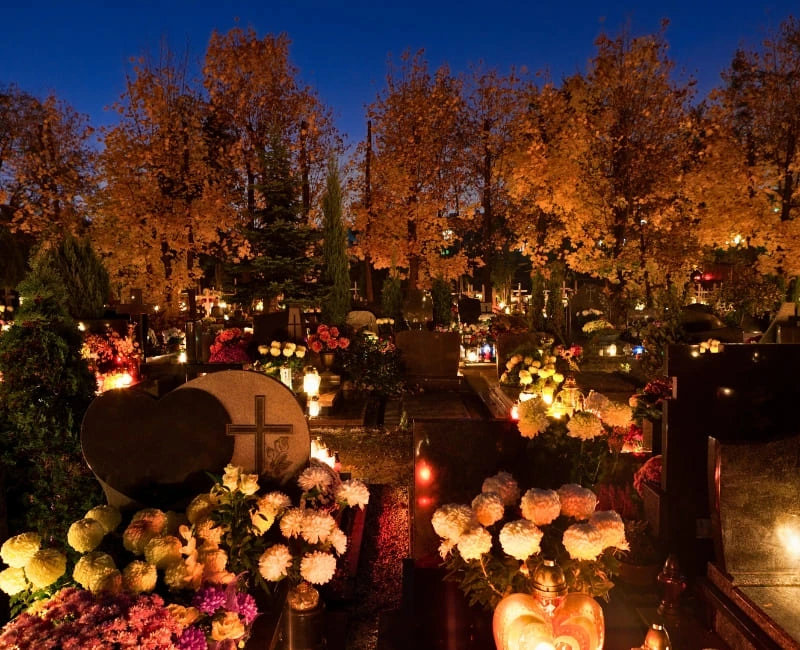
Sweden’s cultural calendar brims with traditions reflecting its connection to nature, history, and community. The most iconic is Midsummer, celebrated around the summer solstice in late June. Villages and city parks host maypole raisings adorned with flowers and greenery; participants dance traditional dances like “Små grodorna” around the pole. Enjoy a festive meal of new potatoes, pickled herring, fresh dill, strawberries, and schnapps. Booking a Midsummer package includes guidance on local customs, participation in rural or urban celebrations, and transport to scenic countryside locations where the midnight sun extends festivities into the night.Late autumn brings All Saints’ Day, when Swedes light candles on graves, reflecting on ancestors. In winter, Lucia Day on December 13th features processions of children dressed in white robes with candles, symbolizing light in the darkest season. Many towns hold Lucia concerts, and enjoying saffron buns (“lussekatter”) with coffee is customary. Christmas markets across Sweden offer handcrafted gifts, glögg (mulled wine), gingerbread, and festive decorations. Booking winter festival experiences may include guided visits to markets in Stockholm, Gothenburg, or smaller towns, combined with local culinary tastings.Crayfish parties in August celebrate the end of summer fishing season: tables fill with boiled crayfish, dill, cold beer, and singing traditional drinking songs (“snapsvisor”). Participating in a local kräftskiva provides insight into Swedish conviviality. In November, Walpurgis Night sees bonfires and singing heralding spring’s arrival. Folk music festivals, design weeks, film festivals, and art biennales occur throughout the year. Sámi cultural events in Lapland, such as reindeer races or joik (traditional singing) gatherings, allow respectful engagement with indigenous heritage.Our itineraries synchronize with these festivals: timing travel to coincide with Midsummer in rural settings, arranging local hosts for authentic crayfish parties, or booking small-group tours to Sámi cultural centers. Practical tips include advance booking for popular events, dressing appropriately for weather, and understanding etiquette—such as bringing a small gift when invited to a home celebration. By immersing in Swedish traditions and festivals, travelers experience communal warmth, seasonal rhythms, and cultural continuity that define life in Sweden.