
Switzerland

Switzerland

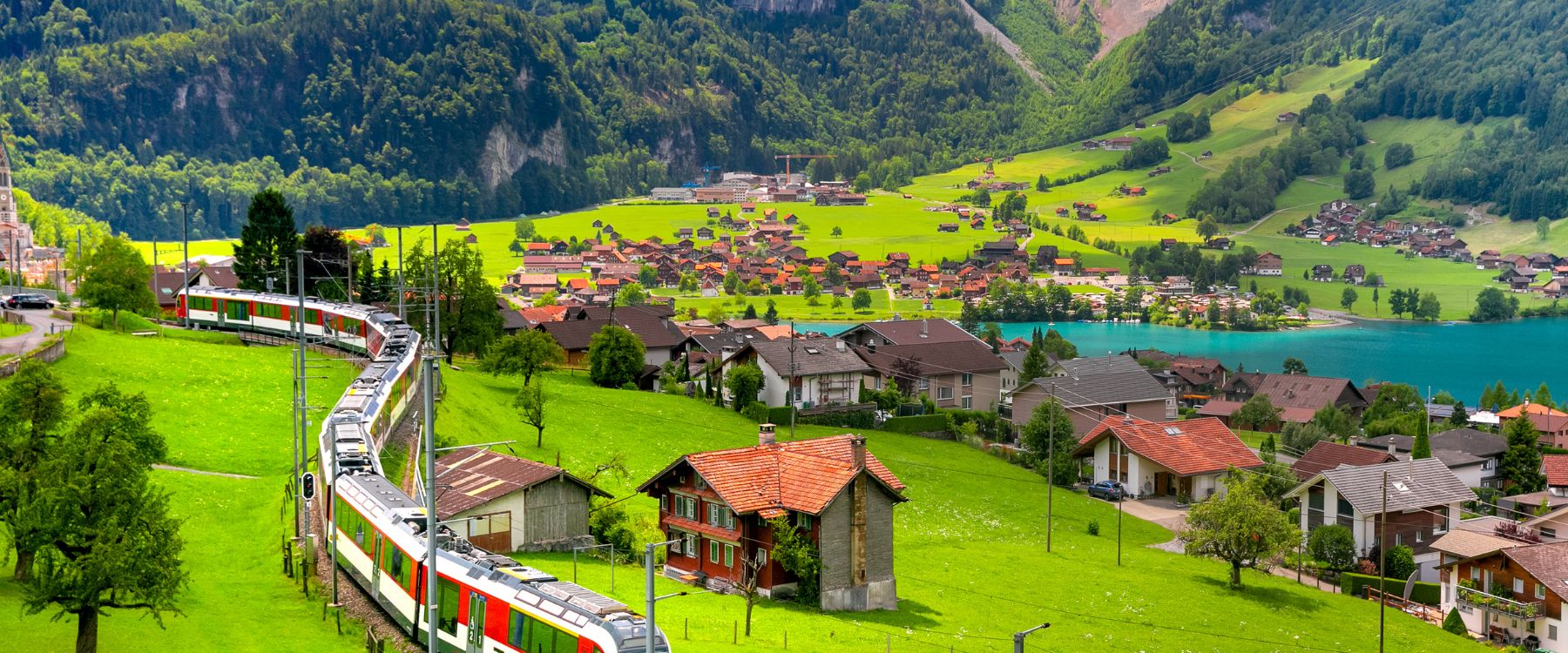
 Switzerland, nestled in the heart of Western Europe, is renowned for its breathtaking alpine landscapes, pristine lakes, and well-preserved medieval towns. With a landlocked territory of approximately 41,285 km², Switzerland extends between latitudes 45° and 48° N and longitudes 5° and 11° E, forming an irregular quadrilateral whose greatest east-west length is about 350 km and north-south breadth nearly 220 km   . This diverse topography encompasses the towering Swiss Alps to the south, the Swiss Plateau at its core, and the Jura mountains in the west, offering dramatic scenery year-round  .The country’s efficient transport infrastructure—comprising punctual trains, scenic mountain railways, and well-maintained roads—ensures that travellers can move seamlessly between regions, whether hopping from cosmopolitan Zurich to the pastel-hued houses of Lucerne or venturing into the glacier-carved valleys of the Bernese Oberland. Switzerland’s multicultural fabric—four official languages (German, French, Italian, and Romansh) and a melting pot of traditions—inspires a rich tapestry of festivals, culinary delights, and architectural styles. From the vibrant jazz festivals in Montreux to the unique customs of Alpine villages, each canton reveals its own identity while reflecting Switzerland’s broader commitment to heritage preservation.Nature enthusiasts are drawn by year-round outdoor opportunities: summer beckons hikers along well-marked trails past emerald lakes and charming chalets; winter transforms the landscape into a skier’s paradise, with world-class resorts across the Alps. Swiss cities blend modern comforts with history: Zurich’s financial hub buzz contrasts with Bern’s UNESCO-listed Old Town; Geneva offers diplomatic gravitas beside Lake Geneva’s shores; Basel showcases art and culture along the Rhine.Safety, cleanliness, and high service standards bolster Switzerland’s appeal. While costs can be higher than in many European destinations, travellers find value in quality experiences: efficient public transport, reliable tourist information services, and excellent healthcare infrastructure. Culinary offerings range from hearty mountain fare—fondue, raclette, rösti—to refined dining in Michelin-starred restaurants; local markets brim with artisan cheeses, chocolates, and seasonal produce. Switzerland’s environmental ethos promotes sustainable tourism: many regions adopt eco-friendly practices, such as electric mountain trains and green lodging certifications.Whether seeking tranquil lakeside retreats, adrenaline-pumping Alpine adventures, cultural immersion in historic towns, or gastronomic journeys through cheese and wine regions, Switzerland delivers an unforgettable travel experience. Its central location also facilitates multi-country itineraries in Europe, but the country’s unique charm is compelling enough to stand alone as a destination. With guaranteed Swiss hospitality, travellers leave with vivid memories of snow-capped peaks, pristine waterways, and a deep appreciation for a nation that harmonises modernity and tradition seamlessly.

Travila Switzerland Travel Guide

What to know before Travelleing

Paris is known around the world as the “capital of love,” and even if you don't understand the history of Paris at all

Language: German, French, Italian, Romansh
Peak Season: June to September (summer for hiking and lakes; December to March for winter sports)
Time Zone: UTC+1 (CET)
Currency: Swiss Franc (CHF)
Travila

1.5 – 2 Hours

Average Flight Time

£6.37

Price Of Pint
Transport
Best time to visit

Top Destinations in Switzerland

Alpine Hiking & Scenic Trails

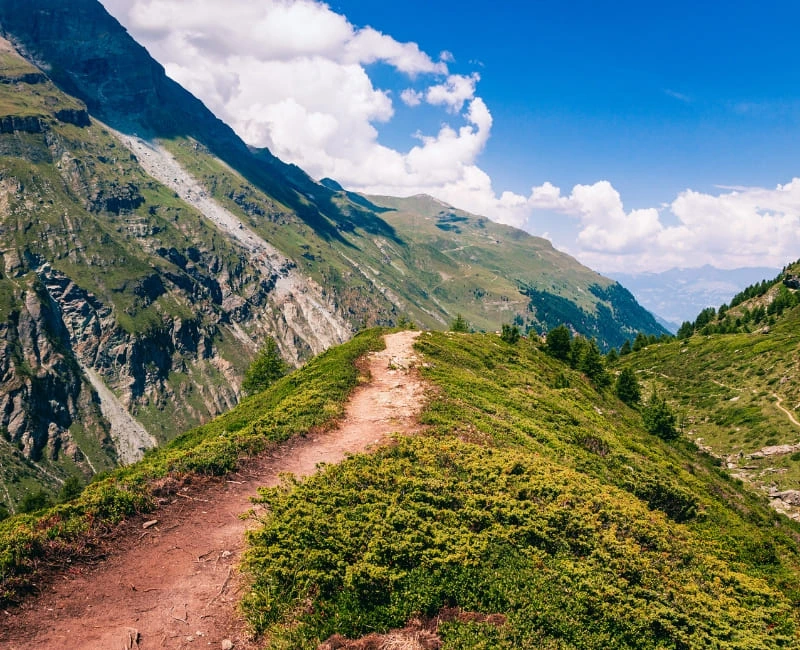
Switzerland’s hiking trails are world-renowned for their breathtaking scenery, well-marked routes, and mountain refuges that cater to hikers of all levels. From gentle valley walks to challenging high-alpine treks, the network of trails covers thousands of kilometers, weaving through lush meadows, pine forests, and rocky ridges. One iconic route is the Haute Route, connecting Chamonix to Zermatt, offering a multi-day adventure across glaciers and mountain passes. For those seeking shorter day hikes, options abound: in the Jungfrau region, the Eiger Trail provides close-up views of the Eiger’s north face; in Zermatt, the Five Lakes Walk reveals reflections of the Matterhorn in glacial lakes; in the Engadine, trails wind through larch forests with panoramic vistas of peaks like Piz Bernina.Trail quality is exceptional: signage is clear, maps and mobile apps aid navigation, and mountain huts and cable cars enable flexible itineraries. Many routes include comfortable mountain lodges where hikers can rest and sample local cuisine such as rösti or mountain cheese specialties. Safety infrastructure—emergency shelters, avalanche warning systems, and well-maintained paths—ensures responsible exploration. For families, easy paths around lakes or gentle alpine meadows provide safe, scenic outings, while experienced trekkers can challenge themselves on high-altitude routes requiring stamina and proper gear.In summer, wildflowers carpet meadows; in autumn, golden larches light up valleys. Guided group tours or self-guided itineraries both work well: local guides can share insights into flora, fauna, and geology, enriching the experience. National and regional parks, like Swiss National Park in Graubünden, protect wildlife such as ibex and marmots; guided wildlife tours offer chances to spot these creatures. Photography enthusiasts will find countless vistas to capture, from sunrise over peaks to dramatic cloud inversions in valleys.Preparation and respect for weather conditions are key: mountain weather can change rapidly, so checking forecasts, packing layered clothing, and carrying essentials (water, snacks, first-aid kit) are vital. Swiss transport integration means hikers often start from or return to train stations, making multi-day treks accessible without private vehicles. Many trails intersect mountain railways or cable cars, enabling shorter options or escape routes. For those wanting cultural context, certain trails pass historic mountain villages where traditions persist: craftsmanship of alpine dairies, centuries-old wooden architecture, and local festivals celebrate mountain life.Whether seeking solitary reflection amid high peaks or camaraderie on popular routes, hiking in Switzerland offers physical challenge, mental rejuvenation, and a profound connection with nature. The combination of pristine landscapes, reliable infrastructure, and hospitality at mountain lodges ensures every trekker can tailor experiences to abilities and interests. By immersing in Switzerland’s alpine heart, travelers gain unforgettable memories and an appreciation for how this small nation preserves and celebrates its dramatic environment.
Lakes & Water Adventures

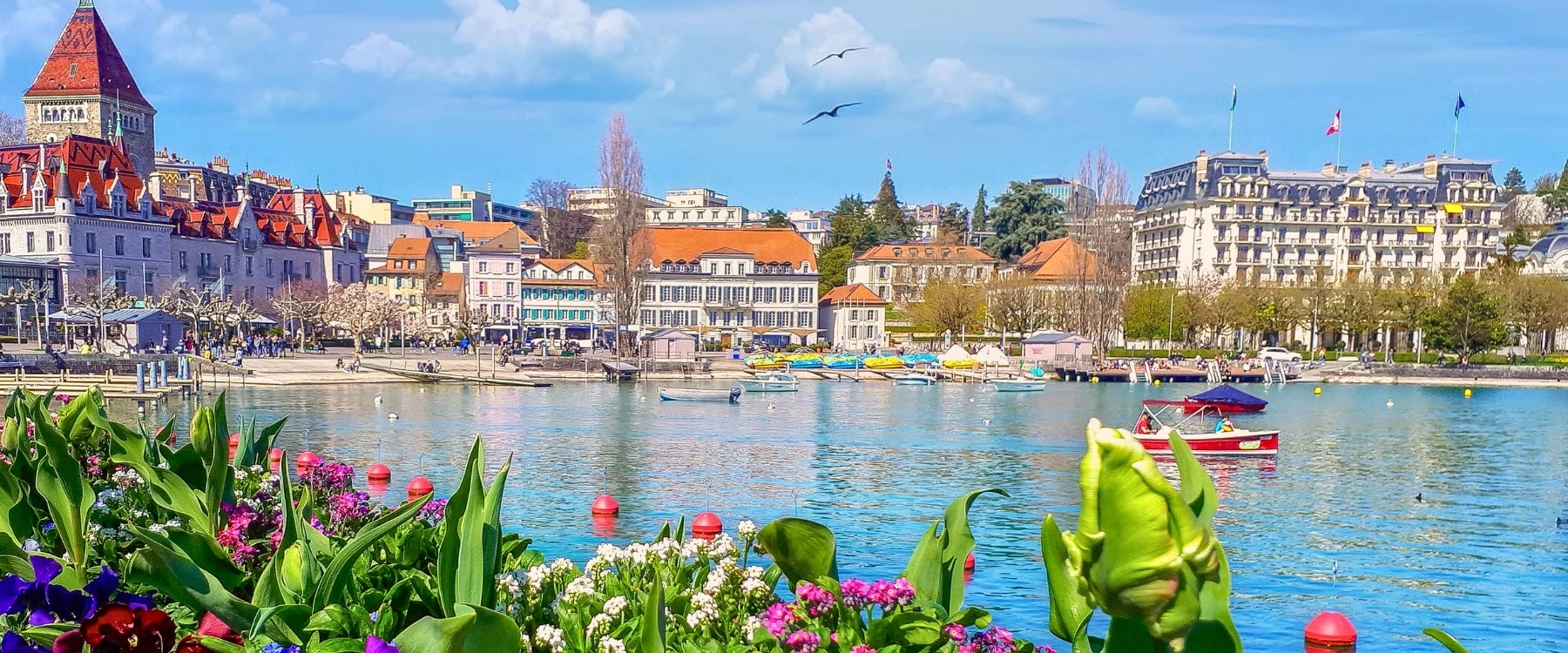
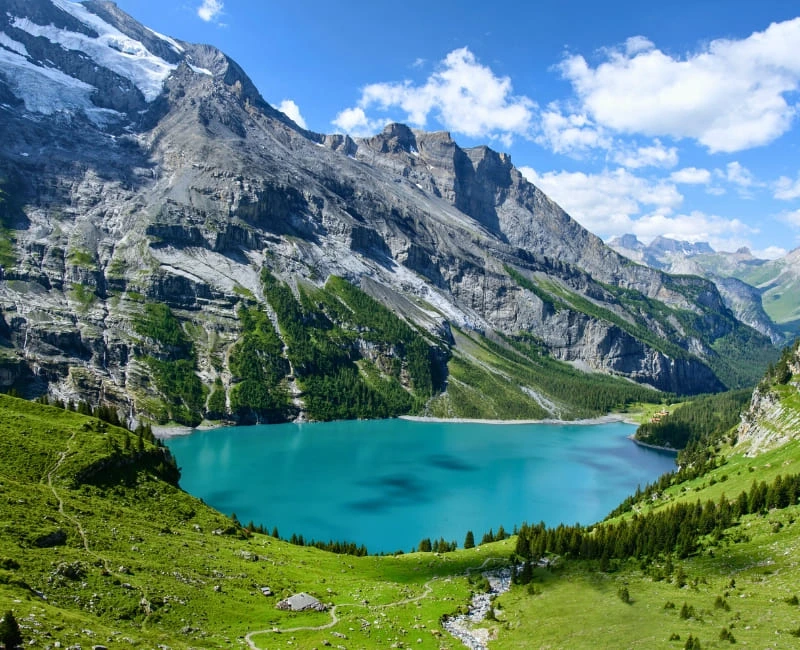
Switzerland’s lakes are among its most captivating features, offering serene waters framed by mountains, vineyards, and charming towns. Whether seeking relaxation or active water sports, the lakes region caters to diverse interests. Lake Geneva (Lac Léman), the largest, stretches between Geneva and Lausanne, with scenic promenades, historic towns like Montreux, and watersports including paddleboarding, sailing, and wakeboarding. Vineyard terraces of Lavaux, a UNESCO site, slope down to lake shores, inviting wine tours with panoramic vistas. Lake Lucerne, surrounded by dramatic peaks, provides opportunities for leisurely cruises on paddle steamers, offering a classic way to appreciate central Switzerland’s scenery. Boat itineraries often include stops at lakeside villages like Weggis or Vitznau, where visitors can explore local culture or embark on mountain excursions by cogwheel train.For swimming, many lakes feature designated bathing areas with clear, refreshing waters—Lake Thun and Lake Brienz in the Bernese Oberland are famed for turquoise hues and viewpoints accessible by boat. Stand-up paddleboarding and kayaking allow exploration of hidden coves; fishing excursions offer tranquil days seeking trout in alpine-fed waters. In summer, organized sailing regattas attract enthusiasts, while beginners can take lessons at sailing schools on lakes such as Neuchâtel or Zurich. Scenic boat rides at sunrise or sunset provide romantic settings for couples. Culinary experiences by the lake—waterside restaurants serving fresh fish, Swiss specialties, and international cuisine—enhance leisurely days.Lakeside cycling routes connect towns and scenic points: the path around Lake Zurich, for instance, combines urban and rural scenery, with options for stops at vineyards or historic castles. For families, lakeside playgrounds and picnic areas offer safe, scenic spots to unwind. Wellness retreats on lake shores leverage tranquil settings, offering spa treatments with mountain views. In autumn, lakes reflect surrounding golden foliage, and quieter conditions make exploration especially peaceful.High-altitude lakes—such as Oeschinen Lake near Kandersteg or Blausee in Bernese Oberland—add alpine charm: these accessible by cable car or gondola, then a short walk, offering emerald waters surrounded by forests. Mountain-lake hikes reward with pristine scenery and mountain-reflecting vistas. Seasonal boat services on certain alpine lakes make remote areas reachable without long hikes.Safety and environment: Swiss lakes maintain high water quality through strict regulations, ensuring safe swimming and minimal ecological impact. Boat operators adhere to guidelines to protect wildlife and water clarity. Visitors should observe local rules: some mountain lakes restrict motorized boats to preserve tranquility; lifeguard presence varies, so swimmers should be cautious and aware of water temperatures.Whether cruising on a historic paddle steamer, paddling in a kayak amid alpine reflections, or simply lounging at a lakeside café with a view of snow-capped peaks, Switzerland’s lakes offer multifaceted experiences. Their combination of natural beauty, excellent infrastructure, and cultural offerings makes them indispensable elements of any Swiss itinerary. From large lakes connecting major cities to hidden alpine gems, water adventures in Switzerland refresh body and mind, providing lasting souvenirs of serene vistas and engaging activities.
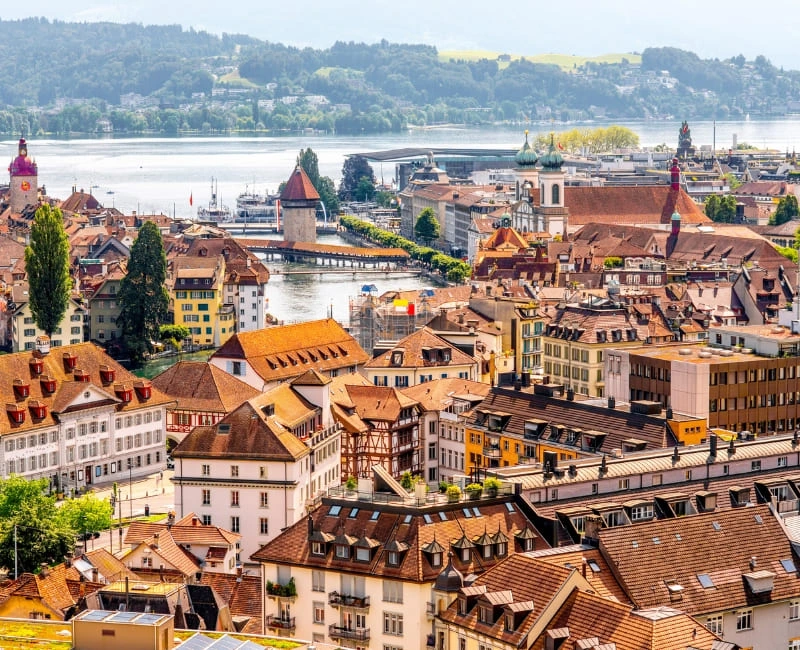

Historic Cities & Architectural Gems

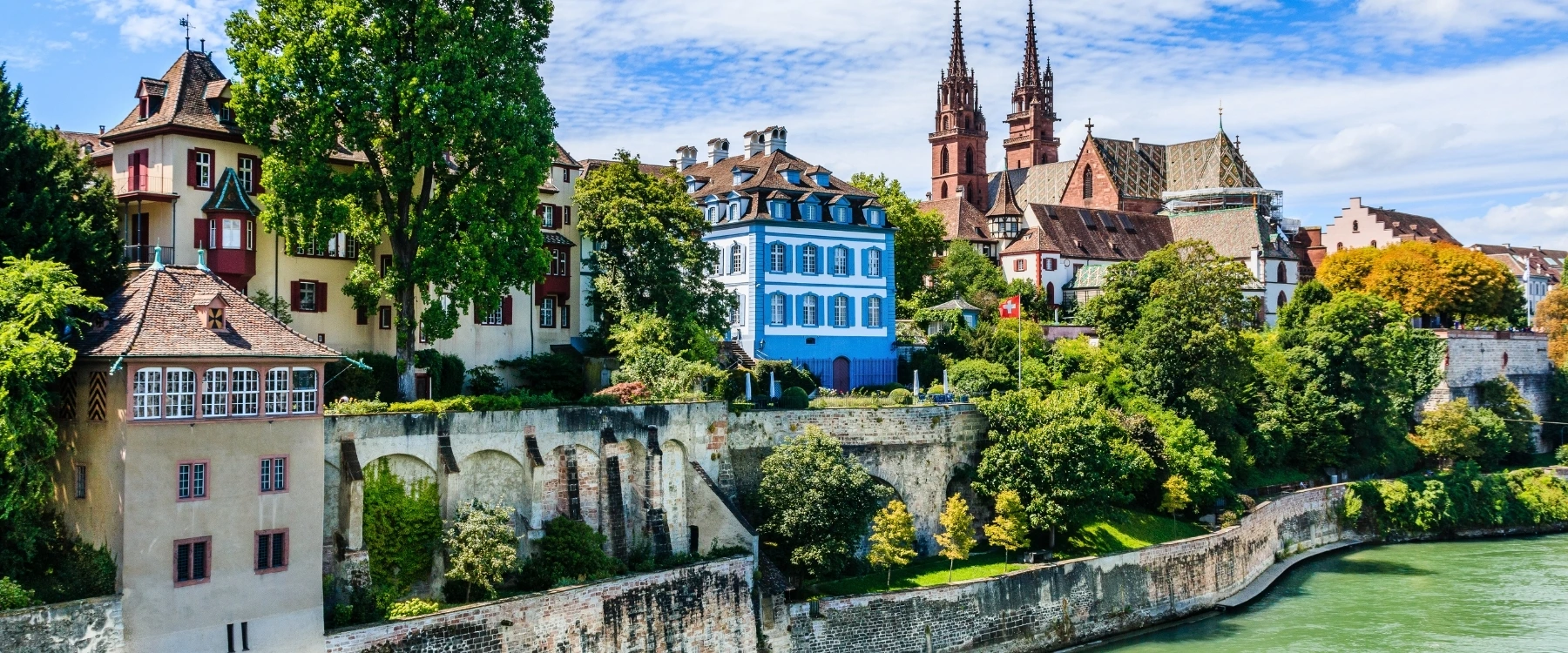
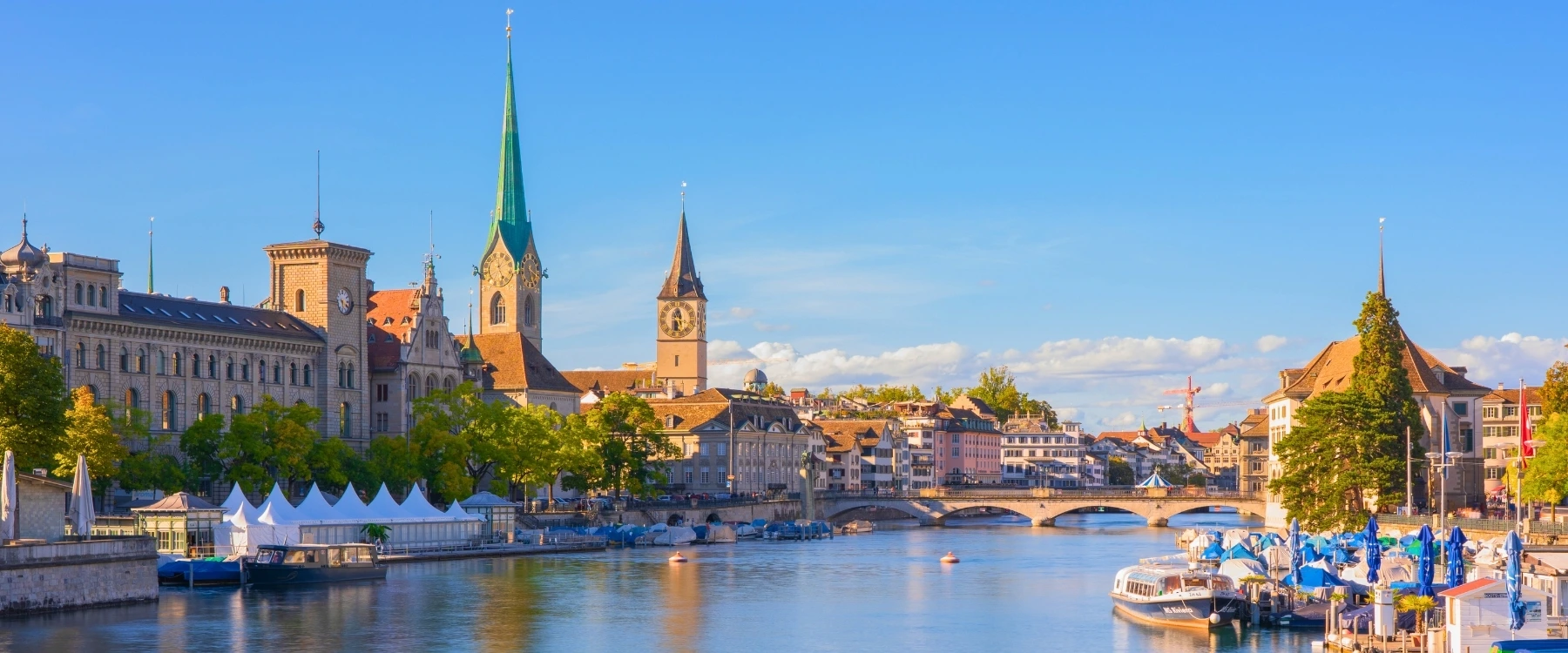
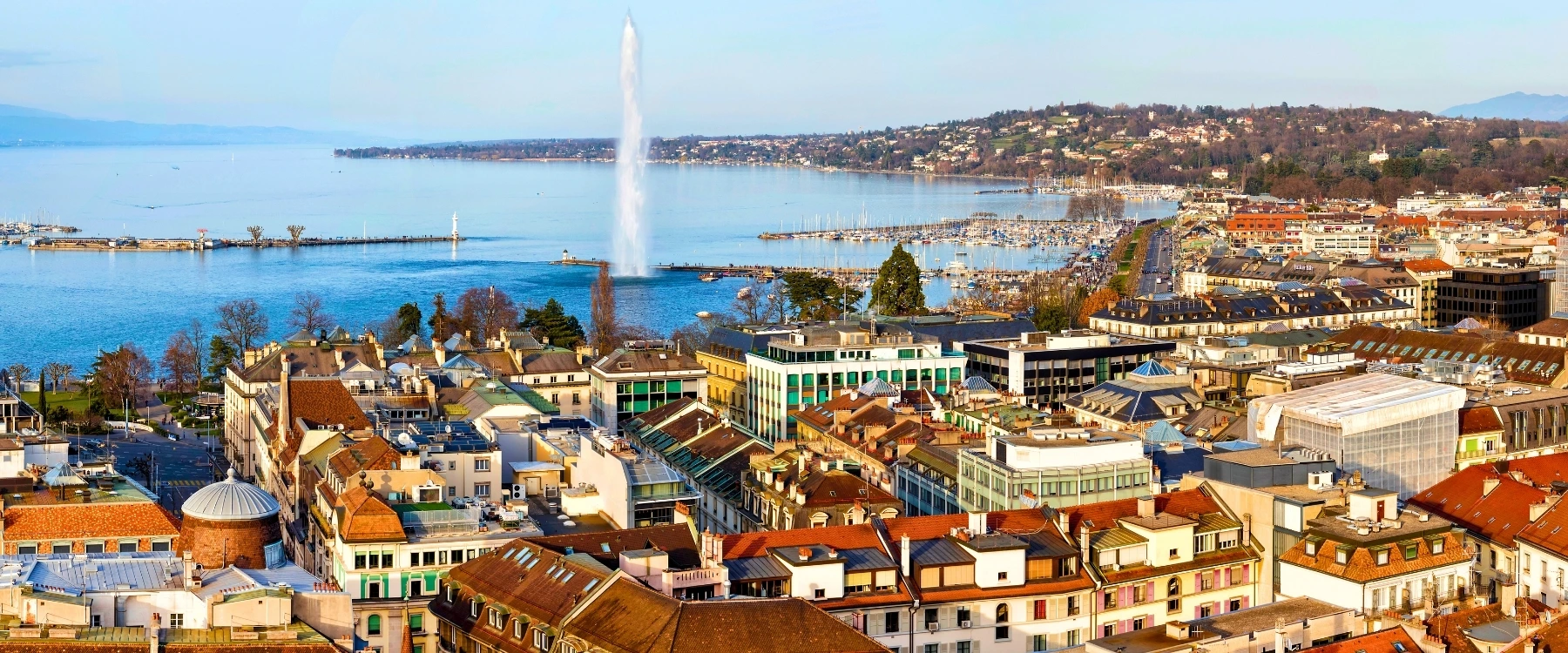
Switzerland’s cities blend medieval charm with contemporary vibrancy, offering rich cultural and architectural experiences. Bern, the capital, features a UNESCO-listed Old Town with arcaded sandstone streets, historic fountains, and the iconic Zytglogge clock tower. Walk along cobblestone lanes to discover Gothic cathedrals, Renaissance facades, and modern art galleries. Geneva, a global diplomatic hub, balances lakeside elegance with historic sites: stroll the Old Town’s narrow alleys to reach Saint-Pierre Cathedral, then explore the Reformation Wall and international institutions. Zurich, Switzerland’s largest city, combines a well-preserved medieval core (Niederdorf) with avant-garde architecture along the Limmat River. Museums such as Kunsthaus, design boutiques, and a thriving culinary scene cater to varied interests.Basel on the Rhine is famed for its concentration of museums, including Fondation Beyeler and the Kunstmuseum, and hosts Art Basel, a leading international art fair. Its medieval old town features the red-sandstone Rathaus and riverside promenades. Lausanne, perched above Lake Geneva, offers Gothic cathedral views and vibrant student life, while Montreux charms with historic Belle Époque architecture and lakeside promenades. In Ticino, Lugano’s Mediterranean flair is evident in elegant villas, palm-lined shores, and piazzas reminiscent of Italy. Each city showcases unique architecture: from traditional chalets and half-timbered houses in smaller towns to state-of-the-art buildings by renowned architects in urban centers.Cultural institutions abound: theaters, concert halls, and galleries present music from classical to contemporary. Switzerland hosts film festivals (Locarno, Zurich), music festivals (Montreux Jazz, Lucerne Festival), and traditional events (Alpine descent festivals, Fasnacht carnivals). Museums cover history, art, science, and specialized topics like watchmaking in La Chaux-de-Fonds. Architectural tours reveal innovative design alongside heritage preservation: sustainable new buildings coexist with centuries-old structures. Guided walking tours and audio guides deepen understanding of local histories, legends, and crafts.Cuisine in cities reflects diversity: farm-to-table restaurants highlight regional ingredients; trendy cafés serve international fare; street food markets showcase multicultural influences. City markets brim with fresh produce, cheeses, and baked goods, ideal for assembling picnic lunches before heading to a park or viewpoint. Nightlife varies from cozy wine bars in French-speaking regions to vibrant clubs in Zurich. Shopping includes Swiss watches, luxury goods, artisanal crafts, and local design items.Transportation links make multi-city exploration straightforward: high-speed trains connect major centers, while regional lines link smaller towns. City transport systems—trams, buses—are efficient and integrated with national passes. Many cities incentivize walking and cycling, with bike-sharing schemes and pedestrian zones enhancing accessibility.For heritage enthusiasts, castle tours (Chillon Castle on Lake Geneva, Bellinzona’s fortifications) and UNESCO sites (Lavaux vineyards, Old Towns) provide insights into Switzerland’s history. Small towns like Stein am Rhein and Gruyères preserve medieval architecture in idyllic settings. Cultural workshops—cheese-making, watchmaking demonstrations, chocolate-making classes—offer hands-on experiences rooted in tradition.Switzerland’s urban and village heritage underscores a commitment to preserving history while embracing innovation. Travelers benefit from seamless logistics, multilingual services, and a wealth of cultural offerings. Whether exploring grand museums, strolling historic quarters, or sampling regional specialties in local eateries, visitors gain a deep appreciation for Switzerland’s multifaceted identity.

Festivals & Local Traditions

Swiss festivals and traditions reflect deep-rooted heritage, seasonal rhythms, and communal spirit. Throughout the year, each region hosts events celebrating local culture: in Basel and Lucerne, Fasnacht (Carnival) erupts before Lent with elaborate masks, parades, and music; in the Engadine, Chalandamarz marks spring’s arrival with processions and ringing cowbells. Summer brings folk festivals in alpine villages: traditional yodeling, alpine horn performances, and wrestling (Schwingen) contests showcase rural customs. Music festivals range from the Montreux Jazz Festival on Lake Geneva’s shores to classical concerts at the Lucerne Festival. Film enthusiasts gather at Locarno’s festival on Lake Maggiore, blending cinematic art with lakeside ambiance.Harvest time in wine regions like Lavaux features grape harvest festivals with wine tastings, traditional songs, and communal meals. In autumn, cattle descent festivals (Alpabzug) celebrate livestock returning from mountain pastures, with cows adorned in floral headdresses and folk processions through villages. Winter holidays include festive Christmas markets in Zurich, Bern, and Montreux, offering handcrafted gifts, local treats like raclette and mulled wine, and festive decorations. In December, the village of Gstaad hosts elegant winter events; in January, the White Turf horse races on frozen Lake St. Moritz combine sport with social flair.Regional traditions highlight craftsmanship: watchmaking in Jura regions has museums and workshops where visitors learn about intricate mechanisms. Cheese dairies open to tours demonstrate alpine cheese production, from cow grazing in high meadows to cheese affinage in cellars. Chocolate factories and artisanal chocolatiers invite travelers to taste and learn about Swiss chocolate heritage. Guild traditions persist in some towns, with processions and historic costumes on special occasions.Religious and cultural events vary: Easter celebrations include processions and local customs; national Day (August 1st) sees bonfires, fireworks, and community gatherings. Folk costumes worn during festivals connect participants with ancestral roots. Many festivals are family-friendly, with activities for children—craft workshops, folk dances, and interactive demonstrations. Multilingual announcements and signage accommodate international visitors.Planning visits around festival dates enhances cultural immersion: booking accommodations early is advisable for popular events. Some festivals offer guided experiences with local experts explaining significance and practices. Photography opportunities abound: colorful costumes, scenic backdrops, and vibrant street scenes. Culinary experiences at festivals highlight regional specialties: cheese and wine pairings, local breads, and sweet treats.Switzerland’s dedication to preserving and celebrating traditions ensures that festivals feel authentic rather than commercialized. Small villages and major cities alike cherish their heritage, inviting visitors to participate respectfully. Engaging with local communities provides insight into Swiss values: respect for nature, craftsmanship, and communal bonds. Whether witnessing the dramatic spectacles of Carnival, enjoying world-class music performances, or joining a harvest celebration in a vineyard, travelers gain lasting memories of Switzerland’s rich tapestry of traditions and communal warmth.

Destination

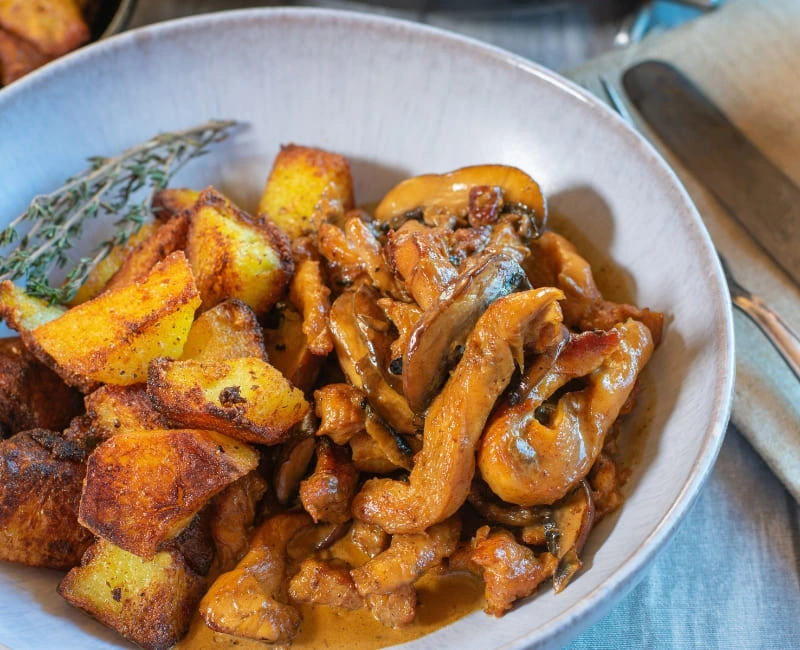
Swiss cuisine reflects regional diversity, high-quality ingredients, and a balance between tradition and innovation. Classic dishes like fondue and raclette epitomize communal dining: melted cheese served with bread or potatoes invites convivial gatherings in mountain chalets or urban brasseries. In German-speaking areas, Zürcher Geschnetzeltes (sliced veal in cream sauce) paired with rösti offers comforting flavors; in French-speaking regions, dishes such as papet vaudois (sausage and leeks) and delicate pastries showcase refined techniques; in Ticino, risotto and polenta reflect Italian influences; in alpine areas, hearty soups and game meat celebrate local produce.Chocolate is synonymous with Switzerland: world-class chocolatiers produce artisanal creations alongside major brands. Visits to chocolate workshops and museums reveal bean-to-bar processes and offer tastings of truffles, pralines, and seasonal specialities. Cheese-making is equally central: tours of alpine dairies demonstrate traditions of grazing cows on mountain pastures, milking routines, and ageing cheeses in cellars. Tastings often pair cheeses with local breads, pickles, and wines. Farmers’ markets in cities and towns provide fresh produce, regional cheeses, cured meats, and baked goods—ideal for self-catered picnics by lakes or in mountain meadows.Fine dining in Switzerland is notable: Michelin-starred restaurants across the country offer innovative cuisine combining Swiss traditions with global influences, often sourcing local ingredients. Chefs emphasize seasonality, sustainability, and presentation, creating immersive gastronomic experiences. Wine regions around Lake Geneva, Valais, and Ticino produce white, red, and rosé varietals; wine tours with cellar visits and tastings highlight terroir-driven profiles. Switzerland’s microclimates yield wines such as Petite Arvine and Fendant in Valais or Pinot Noir in Geneva region. Many wineries collaborate with local restaurants for food-and-wine pairings, enhancing understanding of flavors.Casual dining also delights: cozy mountain huts serve warming dishes after hikes or ski days; street food markets showcase multicultural influences—Asian, Mediterranean, and Swiss fusion options. Cafés in cities offer excellent coffee, pastries, and light meals, serving as meeting points for locals and travelers. Breweries craft local beers reflecting regional tastes; beer tasting experiences introduce visitors to Swiss craft beer scene. For gourmands, culinary festivals and themed events—cheese and wine fairs, truffle events, chocolate festivals—provide opportunities to sample specialties and meet producers.Cooking classes led by local chefs or artisans immerse travelers in hands-on learning: preparing fondue, shaping rösti, crafting chocolate truffles, or baking traditional bread. These experiences deepen appreciation for Swiss culinary heritage and equip visitors with skills to recreate flavors at home. Dining etiquette in Switzerland values punctuality for reservations, modest dress in fine-dining settings, and respectful interaction with service staff. Tipping practices are modest, as service is included in many establishments, but rounding up or small gratuities are appreciated for exceptional service.Accessible options for dietary preferences—vegetarian, vegan, gluten-free—are increasingly common in Swiss restaurants, reflecting global trends. Organic and farm-to-table establishments emphasize local sourcing and sustainability. Health-conscious travelers can find fresh salads, grain bowls, and vegetable-forward dishes without sacrificing Swiss character.Whether indulging in a gourmet degustation menu overlooking alpine vistas, sampling artisanal chocolates in a boutique, or sharing fondue with friends in a cozy chalet, Switzerland’s culinary landscape is as varied as its topography. From casual mountain fare to haute cuisine, the focus on quality ingredients, craftsmanship, and memorable settings ensures that every meal becomes part of the travel experience.

Swiss Culinary Delights & Dining Experiences

Discover world-famous destinations that continue to captivate travelers with their iconic landmarks, rich history, and vibrant cultures. These popular spots offer well-developed tourism infrastructure, diverse accommodation options, and countless activities for every type of traveler. While these destinations attract millions of visitors annually, they maintain their unique charm and continue to offer new experiences even for repeat visitors seeking to uncover hidden layers beyond the main attractions.

Hotel

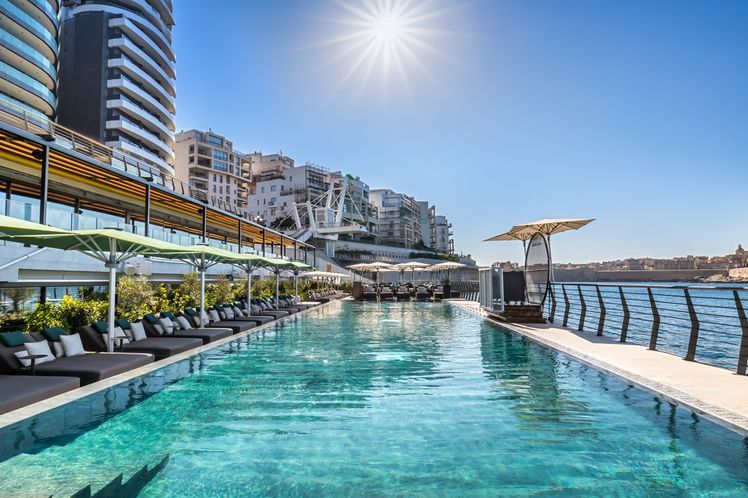
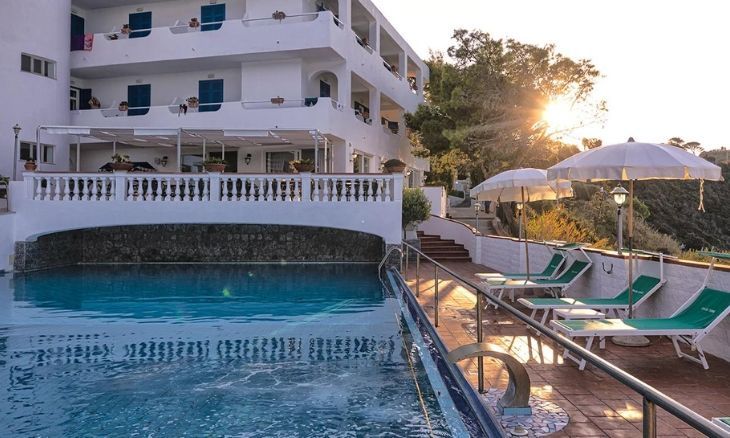
Indulge in premium accommodation options that offer exceptional service, world-class amenities, and exquisite dining experiences. Luxury hotels provide personalized attention, sophisticated design, and exclusive facilities that transform your stay into a memorable journey. From five-star city hotels to boutique resorts in exotic locations, these properties prioritize guest comfort and satisfaction while offering unique local experiences and impeccable hospitality standards.

Hotel

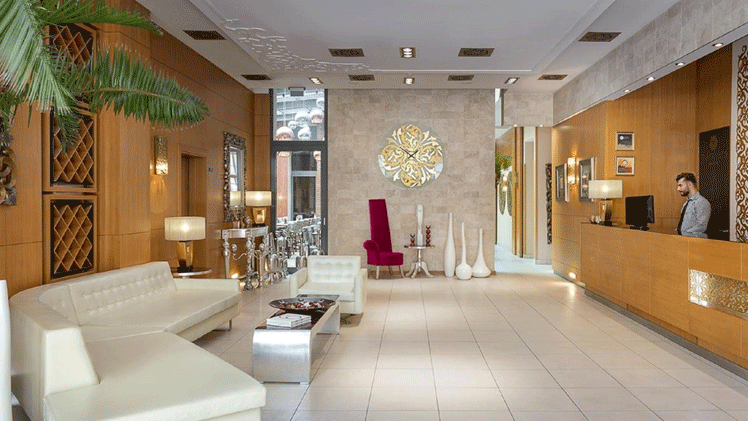
Find comfortable and affordable lodging options that don't compromise on quality or experience. Budget hotels, hostels, and guesthouses offer excellent value for money while providing clean, safe accommodations in convenient locations. Many budget options feature communal spaces that encourage social interaction, local recommendations from knowledgeable staff, and authentic experiences that allow travelers to stretch their budget further while exploring new destinations.

Join our newsletter
Subscribe to see secret deals prices drop the moment you sign up!

No ads. No trails. No commitments