
Tanzania

Tanzania

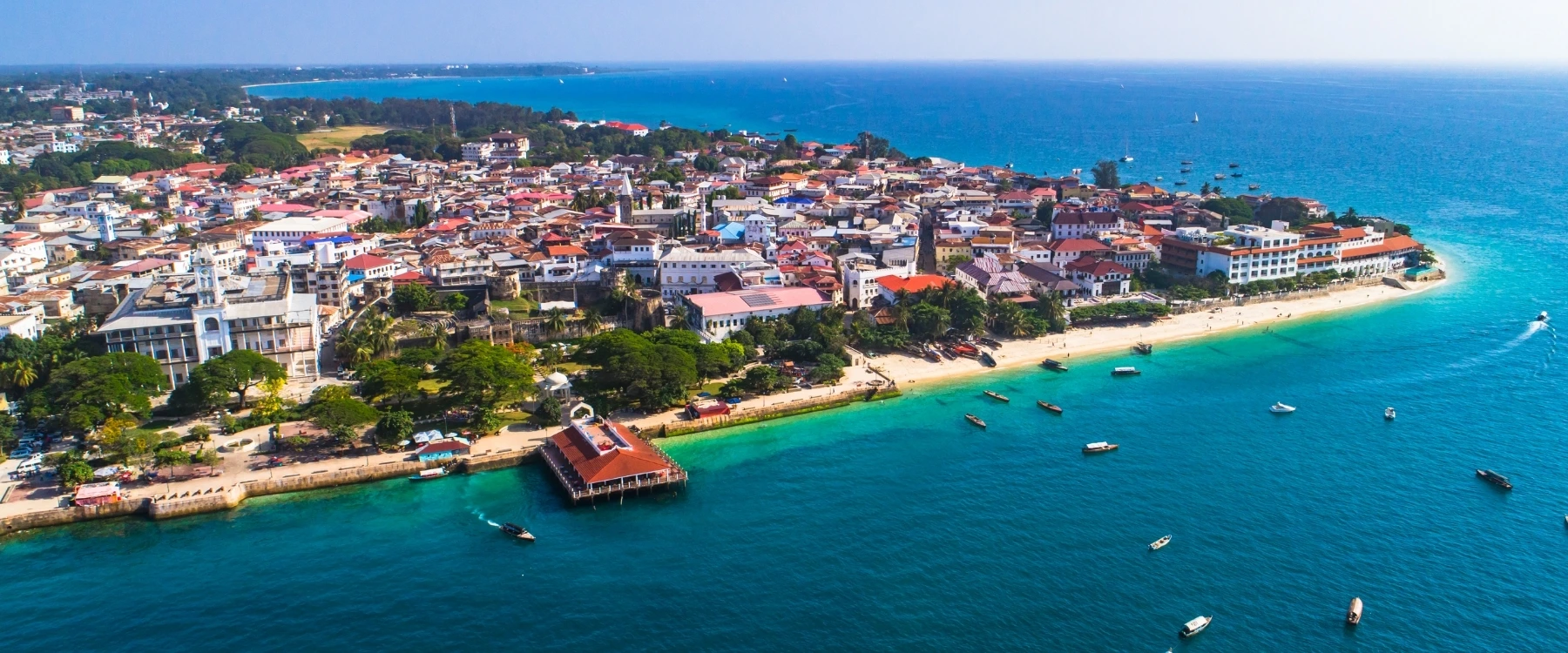
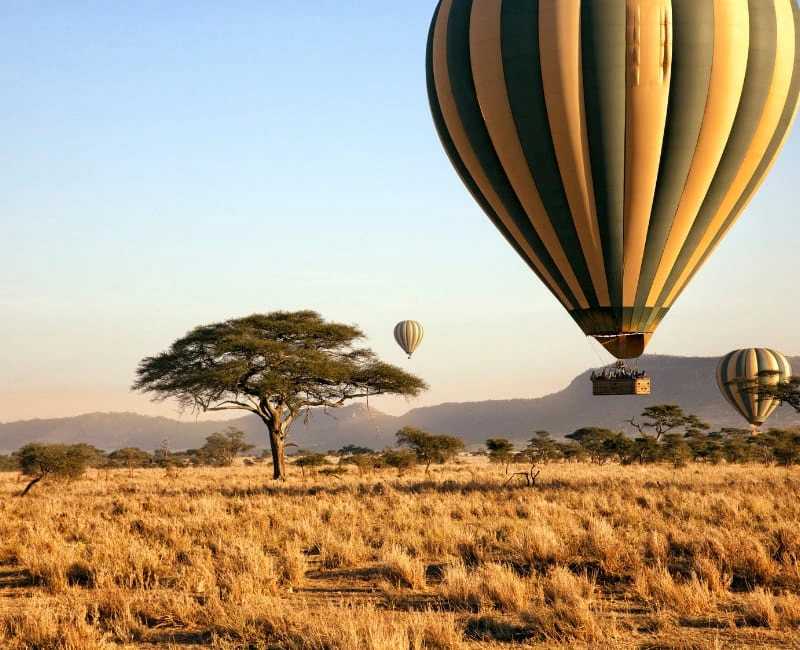
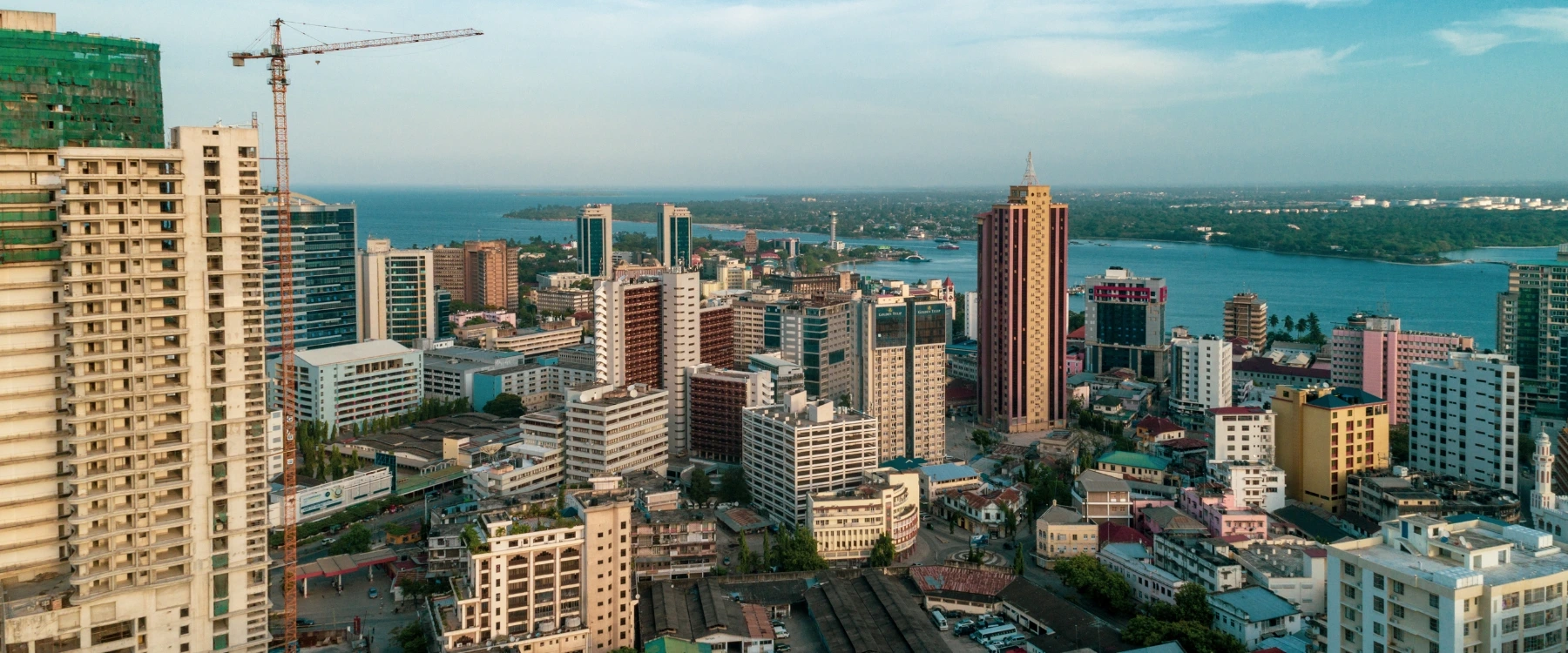
Tanzania is a land of unparalleled natural beauty and extraordinary biodiversity, offering travelers the chance to immerse themselves in iconic safari experiences, pristine beaches, and vibrant cultures. Stretching from the snow-capped peak of Mount Kilimanjaro in the north to the turquoise shores of Zanzibar in the east, Tanzania presents a diverse tapestry of landscapes that cater to adventurers, wildlife enthusiasts, beach lovers, and culture seekers alike. The Serengeti National Park, famous for the Great Wildebeest Migration, provides one of the world’s most spectacular wildlife spectacles, where millions of wildebeest, zebras, and gazelles traverse vast plains in search of greener pastures. Adjacent to the Serengeti, the Ngorongoro Crater offers a self-contained ecosystem, brimming with resident wildlife against a dramatic volcanic backdrop.Beyond the savannahs, Tanzania’s coastal regions boast stunning island escapes. Zanzibar, with its historic Stone Town, spice plantations, and picture-perfect white-sand beaches, captivates those seeking relaxation intertwined with cultural discovery. Pemba, Mafia, and other lesser-known islands provide tranquil retreats, where coral reefs teem with marine life, ideal for diving and snorkelling. Inland, Kilimanjaro stands as Africa’s tallest mountain, attracting trekkers who relish the challenge of ascending through changing ecological zones to witness sunrise over the world from Uhuru Peak. Meanwhile, the vast Lake Victoria to the northwest and Lake Tanganyika to the west offer opportunities for boat safaris, fishing experiences, and encounters with lakeside communities.Culturally, Tanzania is enriched by an array of ethnic groups, most notably the Maasai, Hadzabe, and Chaga, each preserving unique traditions and ways of life. Visiting local villages provides insights into age-old customs, traditional crafts, and the warm hospitality for which Tanzanians are renowned. The country’s history is also reflected in archaeological sites such as Olduvai Gorge, where fossils trace human evolution, and in the multicultural heritage of coastal settlements shaped by centuries of trade between Africa, Arabia, India, and Europe.Tanzania’s climate varies by region and season, but generally the dry season from June to October offers optimal conditions for wildlife viewing and trekking, while the shoulder months can yield fewer crowds and lush landscapes ideal for photography. Accommodation ranges from luxury tented lodges overlooking watering holes to eco-friendly camps, boutique hotels in coastal towns, and cosy guesthouses in rural areas. Each option offers the chance to connect with the environment responsibly, as many operators emphasise conservation and community engagement.Gastronomically, visitors can taste Swahili dishes flavoured with local spices, fresh seafood along the coast, and hearty fare in inland areas. Time in Tanzania can also be enhanced by guided walks, night game drives, cultural performances, and hot-air balloon safaris over the Serengeti. Whether planning a honeymoon on a secluded beach, a family safari adventure, a solo trekking challenge, or an enlightening cultural journey, Tanzania’s diversity ensures every traveller finds memorable experiences. Responsible tourism practices are increasingly prioritized, ensuring that visits contribute to wildlife protection, habitat preservation, and local community livelihoods. With its extraordinary combination of wildlife wonders, scenic diversity, cultural richness, and warm hospitality, Tanzania stands as a premier destination for travellers seeking both adventure and authenticity.

Travila Tanzania Travel Guide

What to know before Travelleing

Paris is known around the world as the “capital of love,” and even if you don't understand the history of Paris at all

Language: Swahili (official), English
Peak Season: June to October
Time Zone: UTC+3
Currency: Tanzanian Shilling (TZS)
Travila

10 Hours

Average Flight Time

£1.50

Price Of Pint
Transport
Best time to visit

Top Destinations in Tanzania

Serengeti Safari Adventure

The Serengeti National Park embodies the quintessential African safari dream, where boundless plains meet teeming wildlife. Visiting the Serengeti typically revolves around game drives timed to capture the dramatic animal behaviors at dawn and dusk, when predators and prey are most active. During the Great Wildebeest Migration (roughly June to October in the northern circuit), travellers witness vast herds crossing rivers and plains, pursued by crocodiles and big cats, creating scenes of raw natural drama. Outside migration season, the Serengeti still offers rich resident populations: large prides of lions lounging in acacia shade, elephants traversing the savannah, giraffes browsing atop termite mounds, and elusive leopards resting in trees.Accommodation options range from classic tented camps that evoke vintage safari romance to upmarket lodges with panoramic views of watering holes. Many camps offer guided walking safaris, allowing guests to track wildlife on foot under expert supervision, deepening understanding of smaller creatures, tracks, and plants that define the ecosystem. Hot-air balloon safaris deliver a unique vantage, drifting over the plains at sunrise to observe the landscape bathed in golden light, followed by a champagne breakfast in the bush. Photographers benefit from experienced guides who position vehicles for optimal lighting and unobstructed views, while eco-conscious operators ensure minimal disturbance to wildlife. Night drives, where permitted, introduce nocturnal animals like civets and owls, adding another layer to the safari experience.Beyond game viewing, the Serengeti experience encompasses local interactions: visits to Maasai communities near park boundaries provide cultural context, revealing how traditional pastoral lifestyles coexist with conservation efforts. Many lodges support community-based initiatives such as schools, clinics, and wildlife monitoring programmes, enabling travellers to contribute to sustainable tourism. Culinary offerings often feature locally sourced ingredients, blending international standards with Swahili flavors. Whether celebrating a milestone occasion or seeking a transformative journey, a Serengeti safari adventure offers unforgettable encounters with Africa’s wildlife, immersed within one of the planet’s most iconic wilderness areas.
Ngorongoro Crater Exploration

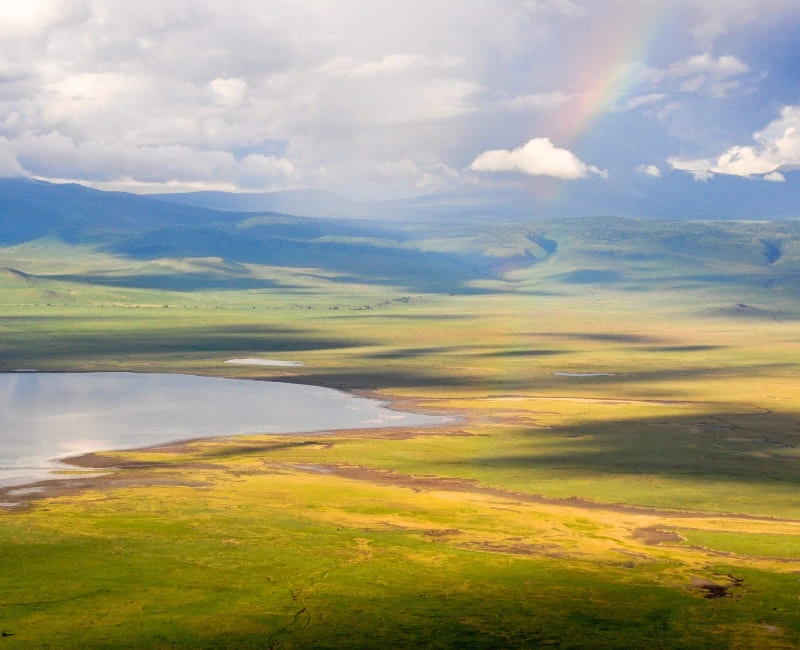
The Ngorongoro Conservation Area’s centerpiece is the Ngorongoro Crater, a colossal volcanic caldera recognized as a UNESCO World Heritage Site. With a diameter of roughly 20 kilometers and walls rising up to 600 meters, the crater floor supports a remarkably dense concentration of wildlife within a self-contained ecosystem. A one-day crater descent provides an immersive safari: as the vehicle descends the steep rim, panoramic vistas reveal acacia-dotted plains below, often dotted with grazing herbivores. Inside, lion prides patrol the grasslands; large herds of buffalo graze alongside zebra and wildebeest; and endangered black rhinos can sometimes be spotted in secluded areas. Flamingos gather at the alkaline lakes, offering vibrant splashes of color contrasting with green marshes and dark volcanic soil.Guided by knowledgeable rangers, visitors learn about the crater’s geology, ecology, and the sensitive balance between wildlife populations and grazing resources in this enclosed habitat. Early starts maximize wildlife sightings and allow enjoying breakfast at designated picnic spots overlooking dramatic scenery. Some itineraries include visits to Maasai homesteads on the crater rim, where pastoral traditions continue amid conservation regulations; engaging with Maasai hosts offers insights into ancestral customs, livestock management, and community-based conservation initiatives that help protect the crater’s unique biodiversity. Accommodation typically occurs on the rim or nearby highlands, with sunrise views illuminating the crater below.Beyond the main crater, the conservation area encompasses highland forests, savannahs, and the Olmoti and Empakaai craters, providing opportunities for hiking among montane landscapes, birdwatching, and exploring crater lakes fringed by forest. Photography enthusiasts benefit from the crater’s compact size and varied backdrops: wildlife framed by towering walls or reflected in still waters. Conservation-minded travellers appreciate that revenue from crater visits supports local communities and wildlife protection. An Ngorongoro crater exploration balances iconic safari moments with cultural encounters and environmental stewardship, making it an essential component of any Tanzania itinerary.

Zanzibar Beach Retreat

Zanzibar Island, off Tanzania’s east coast, blends history, culture, and beach paradise into an enthralling destination. Stone Town, a UNESCO World Heritage site, captivates with winding alleys, carved wooden doors, and aromatic spice markets reflecting centuries of trade. After exploring historic sites—such as the Old Fort, House of Wonders, and ancient Arab mansions—travellers transition to the island’s idyllic shorelines. Pristine beaches on the east and north coasts boast powdery white sand and calm, warm waters ideal for swimming, snorkelling, and relaxation under swaying palms. Beach resorts range from intimate boutique properties to luxury all-inclusive lodges, many emphasizing eco-sustainability and supporting local communities through employment and conservation initiatives.Water activities include snorkelling trips to nearby Mnemba Atoll, where coral reefs teem with colorful fish, turtles, and occasional dolphins. Diving excursions reveal vibrant coral gardens and underwater sculptures. Sunset dhow sails offer romantic experiences, gliding on traditional wooden vessels as the sun dips below the horizon, followed by beachside dinners featuring freshly caught seafood and Swahili-inspired cuisine. Spice tours immerse visitors in Zanzibar’s agricultural heritage: guided walks through clove, cinnamon, and vanilla plantations reveal how spices shaped global trade. Cooking classes introduce local recipes, from pilau rice to coconut-based curries.Culture remains at the heart of Zanzibar’s allure. Engaging with artisans in workshops highlights crafts such as batik, wood carving, and basket weaving. Music and dance performances—Taarab evenings or local festivals—showcase the island’s diverse heritage. For those seeking wellness, yoga sessions on the beach and spa treatments using natural ingredients provide relaxation. Wildlife encounters may include visiting Jozani Forest to spot red colobus monkeys or marine conservation projects educating about turtle nesting. Whether lounging by the Indian Ocean, discovering historical treasures, or embracing island culture, a Zanzibar beach retreat offers a blend of leisure, adventure, and cultural richness that lingers long after departure.

Pemba Island Discovery

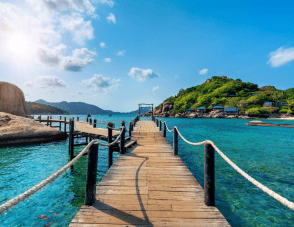
Pemba Island, north of Zanzibar, presents a quieter, off-the-beaten-path alternative with lush landscapes, pristine beaches, and rich marine life. Known as “The Green Island,” Pemba’s interior is covered in fertile hills, clove plantations, and small villages where traditional life continues at an unhurried pace. Arriving by short flight or boat, travellers are greeted by serene beaches framed by emerald waters—ideal for those seeking seclusion away from busier tourist hubs. Accommodation options include eco-lodges and boutique resorts that emphasize environmental responsibility and community engagement.Marine adventures around Pemba include world-class diving and snorkelling. The island’s reefs boast healthy coral ecosystems, and dive sites may reveal reef sharks, eagle rays, and vibrant fish species. Deep-sea fishing excursions target marlin, tuna, and sailfish for sport fishing enthusiasts. Kayaking through mangrove channels uncovers hidden lagoons and birdlife, while boat safaris offer opportunities to spot dolphins and seasonal whale sharks. Conservation projects on Pemba often focus on reef protection and sustainable fishing practices, inviting travellers to participate in citizen-science initiatives or community workshops.On land, exploring clove and spice farms provides insight into agricultural traditions that have shaped Pemba’s economy for centuries. Visits to local villages reveal artisanal crafts, from coconut-based products to weaving. Guided walks through Pemba’s hilly interior showcase endemic flora and fauna, with birdwatching opportunities for species such as the Pemba green pigeon. Cultural exchanges include sharing meals with families, learning traditional dances, and understanding local customs. Wellness seekers can enjoy yoga sessions overlooking the ocean or spa treatments using indigenous ingredients. Pemba Island discovery offers a blend of relaxation, eco-adventure, and cultural immersion—perfect for travellers seeking authenticity and tranquillity in a lush island setting.

Destination

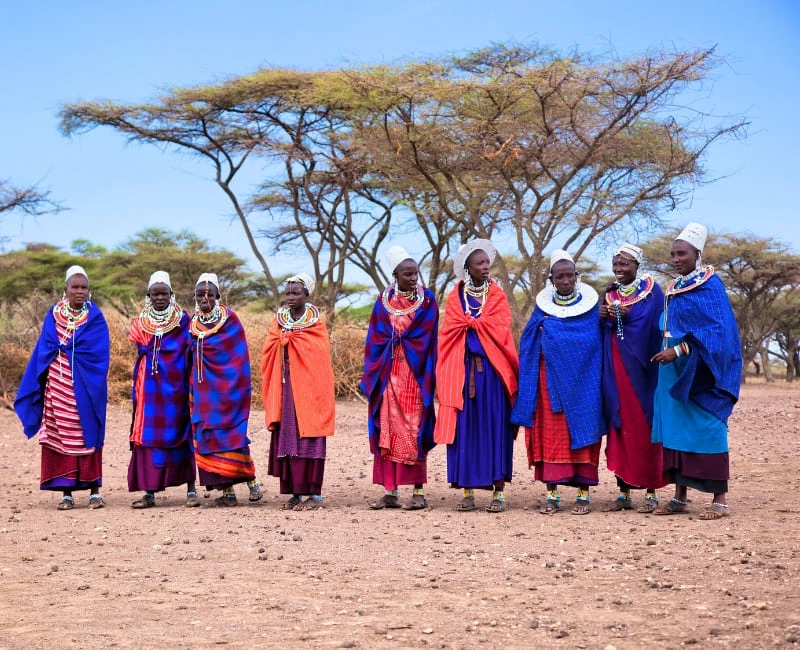
A visit to the Maasai villages near the edges of Tanzania’s national parks offers a profound cultural immersion, revealing the customs and heritage of one of East Africa’s most recognized ethnic groups. Guided by Maasai hosts, travellers learn about pastoral traditions, livestock herding, and the significance of cattle in Maasai society. Village tours often include demonstrations of traditional dances, songs, and storytelling sessions where elders share ancestral narratives. The vibrant red shuka garments, beadwork, and jewellery crafted by Maasai artisans reflect symbolic meanings tied to identity and social status.Participating in daily activities—such as collecting firewood, milking cows, or preparing meals—provides genuine insight into community life. Some initiatives support homestays, where visitors stay overnight in simple but comfortable accommodations run by local families, deepening connections and fostering mutual respect. These programmes frequently channel revenue into community education, healthcare, and water projects, ensuring that tourism benefits host communities directly. Learning about traditional healing practices, medicinal plants, and the Maasai worldview fosters appreciation for indigenous knowledge systems and their role in conservation.Beyond cultural exchange, Maasai visits often include scenic walks along park borders, with guides pointing out animal tracks and sharing ecological knowledge passed through generations. Visitors gain perspective on the challenges and opportunities of balancing pastoral lifestyles with wildlife conservation, as many Maasai communities collaborate with conservation organisations to protect habitats and migratory corridors. Photography opportunities abound, but respectful guidelines ensure authenticity and privacy. A visit to Maasai villages not only enriches travellers’ understanding of cultural heritage but also contributes to sustainable livelihoods and the preservation of a way of life that remains integral to Tanzania’s identity.

Visit the Maasai Villages

Discover world-famous destinations that continue to captivate travelers with their iconic landmarks, rich history, and vibrant cultures. These popular spots offer well-developed tourism infrastructure, diverse accommodation options, and countless activities for every type of traveler. While these destinations attract millions of visitors annually, they maintain their unique charm and continue to offer new experiences even for repeat visitors seeking to uncover hidden layers beyond the main attractions.

Hotel

Indulge in premium accommodation options that offer exceptional service, world-class amenities, and exquisite dining experiences. Luxury hotels provide personalized attention, sophisticated design, and exclusive facilities that transform your stay into a memorable journey. From five-star city hotels to boutique resorts in exotic locations, these properties prioritize guest comfort and satisfaction while offering unique local experiences and impeccable hospitality standards.

Hotel

Find comfortable and affordable lodging options that don't compromise on quality or experience. Budget hotels, hostels, and guesthouses offer excellent value for money while providing clean, safe accommodations in convenient locations. Many budget options feature communal spaces that encourage social interaction, local recommendations from knowledgeable staff, and authentic experiences that allow travelers to stretch their budget further while exploring new destinations.

Join our newsletter
Subscribe to see secret deals prices drop the moment you sign up!

No ads. No trails. No commitments