
United Kingdom

United Kingdom

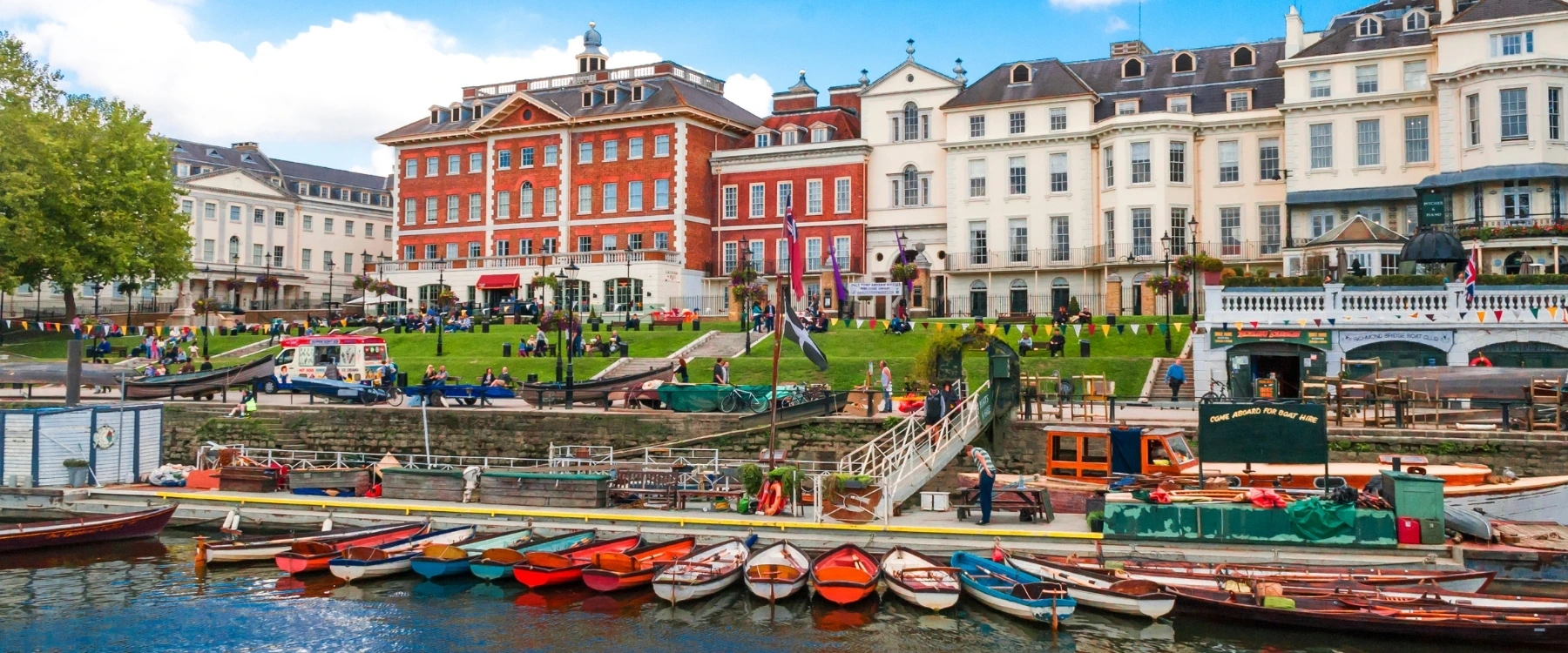
The United Kingdom, an island nation steeped in history, culture, and natural beauty, offers a tapestry of experiences for every kind of traveler. From the bustling streets of London, where royal palaces and world-class museums stand alongside cutting-edge architecture, to the serene landscapes of the Scottish Highlands, the UK balances heritage and modernity seamlessly. Enchanting medieval towns, rolling countryside dotted with thatched cottages, dramatic coastlines, and vibrant cities make this destination versatile: couples seek romantic breaks in historic inns, families enjoy theme parks and coastal resorts, and solo adventurers uncover hidden gems in lesser-known regions.Begin your journey in London, a global hub where West End theatres, iconic landmarks like the Tower of London and Buckingham Palace, and an eclectic culinary scene coexist. Venture beyond into England’s charming Cotswolds villages, where limestone cottages and slow-paced life offer respite. History enthusiasts can explore the Roman baths in Bath, the ancient stones of Stonehenge, and the cathedrals of Canterbury and York. Northern England’s Lake District beckons with scenic hikes around mirror-like lakes and quaint market towns, while vibrant Manchester and Liverpool pulse with music heritage and contemporary nightlife.Scotland’s tapestry ranges from Edinburgh’s medieval Old Town and majestic castle perches to the misty lochs and rugged peaks of the Highlands. Whisky trails invite tastings at distilleries set against seaside or glen backdrops. Wales enchants with castles atop hills, the dramatic peaks of Snowdonia, and coastal paths offering panoramic ocean views. Northern Ireland features the Giant’s Causeway’s basalt columns, Belfast’s transformation into a cultural hotspot, and scenic drives along the Causeway Coastal Route.Seasonal variation enriches UK travel: spring brings blooming gardens and milder temperatures; summer (May–September) offers long daylight hours, festivals, and coastal escapes; autumn showcases fiery foliage in woodlands; winter highlights festive markets, cosy pubs with roaring fires, and snow-capped highlands. Whichever season, you’ll find unique charms—afternoon tea in an elegant tearoom, a seaside stroll along chalk cliffs, or city explorations with easy rail connections.Accommodation spans luxury hotels in central hubs, boutique country house stays, converted farm cottages, coastal B&Bs, and budget-friendly hostels. Transportation is well-connected: trains link major cities and regions, domestic flights serve distant corners (e.g., flights to Northern Ireland or the Scottish isles), and car hire opens remote areas. Culinary offerings range from Michelin-starred restaurants to traditional pubs serving hearty pies and local ales, plus multicultural eateries reflecting modern UK diversity.Activities cover guided walking tours, cycling routes through vineyards or national parks, historical reenactments at castles, coastal water sports (surfing, kayaking), theatre shows, music festivals, and sporting events like football matches or Wimbledon. Shopping ranges from high-end boutiques in London’s West End to antiques markets in small towns. Culture thrives in museums, galleries, and literary trails honoring authors like Shakespeare, Austen, and the Brontë sisters.Sustainability is increasingly emphasized: eco-friendly accommodations, low-carbon transport options, and responsible tourism practices (e.g., Leave No Trace in national parks). Many regions promote local produce and crafts, so support small businesses and farmers’ markets.Whether drawn by centuries-old history, diverse landscapes from moorlands to coast, culinary diversity, or vibrant cultural scenes, the United Kingdom presents an array of unforgettable experiences. Its compact size with excellent transport links makes it easy to combine contrasting experiences—city breaks with countryside retreats—in a single trip. With welcoming locals, rich traditions, and continual innovation, a UK holiday remains a compelling option year-round.

Travila United Kingdom Travel Guide
What to know before Travelleing

Paris is known around the world as the “capital of love,” and even if you don't understand the history of Paris at all

Language: English
Peak Season: May to September
Time Zone: UTC+0 (GMT)
Currency: British Pound (GBP)
Travila

Europe: 1–2 hours; North America: 7–8 hours; Asia: 11–12 hours

Average Flight Time

£4

Price Of Pint
Transport
Best time to visit

Top Destinations in United Kingdom

Exploring Historic Landmarks

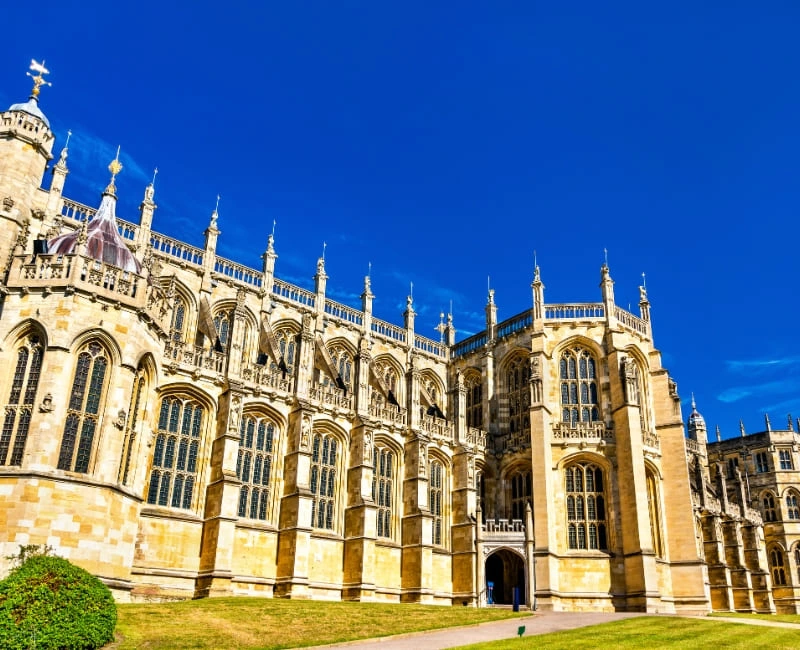
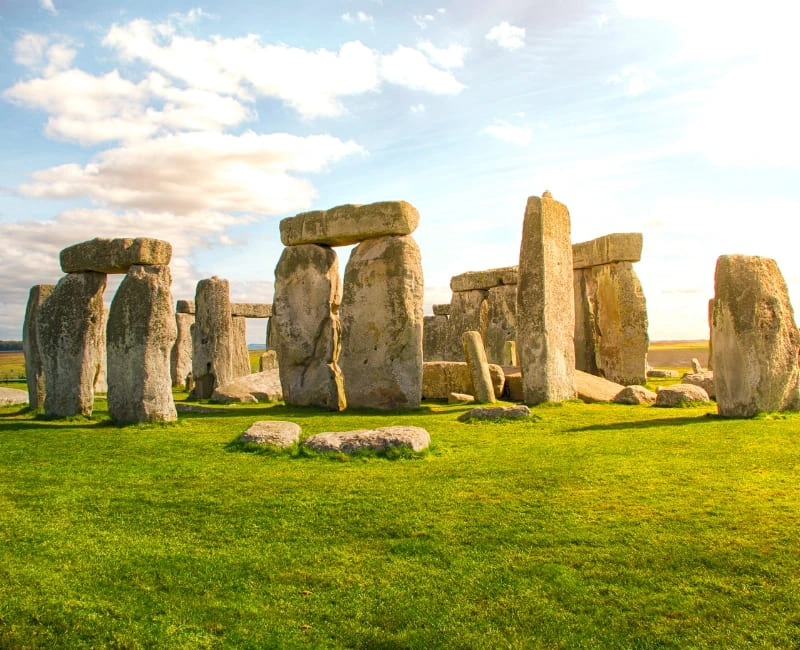
Britain’s landscape is a living tapestry of its past, with historic landmarks that capture moments from prehistory through the modern era. A pilgrimage to Stonehenge on the Salisbury Plain reveals the mystery of its standing stones as dawn light filters through mist, evoking the ritual life of prehistoric peoples. Nearby, the city of Bath immerses visitors in Roman grandeur, where the remarkably preserved baths, hot springs and amphitheatre remnants allow you to step directly into antiquity.Medieval Britain left its own indelible imprint in the form of castles that rise like sentinels over the countryside. At Windsor Castle, founded in the eleventh century and still a royal residence today, opulent State Apartments give way to sprawling parklands along the Thames. Warwick Castle brings history alive with immersive reenactments—knights in armour, falconry displays and the thunder of trebuchets. In Scotland, Edinburgh Castle perches atop an ancient volcano overlooking Old Town’s narrow closes; within its walls, exhibitions trace the turbulent story of Scottish independence. In Wales, the twin power of Edward I’s 13th-century fortifications at Caernarfon and Conwy stand proudly against rugged landscapes, their precise stonework and massive walls earning UNESCO World Heritage status.Northern Ireland’s heritage blends natural and historic drama. Carrickfergus Castle, founded by the Normans, guards Belfast Lough, while just across the Causeway Coast, the hexagonal columns of the Giant’s Causeway tell a geological legend entwined with early myths. Beyond military might, Britain’s great houses and palaces illustrate aristocratic pageantry. Hampton Court Palace transports visitors to the Tudor world with its maze, kitchens and tapestries, whereas Blenheim Palace in Oxfordshire presents Baroque opulence amid sprawling Capability Brown landscapes and houses the birthplace of Winston Churchill. In Derbyshire, Chatsworth House balances its world-class art collection—featuring paintings by Van Dyck and sculptures by Bernini—with formal gardens, fountains and charming farmyard exhibitions.Religious heritage is woven into Britain’s stonework and song. Canterbury Cathedral’s soaring Gothic nave and shrine of Thomas Becket draw pilgrims centuries after his martyrdom. York Minster’s vast stained-glass windows transform sunlight into cascades of colour, and Glasgow Cathedral’s Romanesque arches speak to medieval devotion in Scotland’s largest city.For a journey that conjures the romance of bygone eras, boarding a steam train on the North Yorkshire Moors Railway or the Snowdon Mountain Railway evokes the age of the golden spike. Locomotives wind through heather-clad hills or ascend craggy slopes, the hiss of steam and rhythmic clatter transporting you into living history.Grouping sites by region makes the most of your time: a southwest circuit that links Stonehenge, Bath and nearby medieval villages; a Scottish heritage loop carrying you from Edinburgh through Stirling Castle and into Highland estates. Local expert guides enrich each visit with ghost stories in York, Arthurian legends at Tintagel and clan histories in the Hebrides. Seasonal events—medieval jousting festivals, Christmas illuminations at stately homes and twilight archaeological tours—add fresh layers to day visits, while off-peak shoulder seasons offer quieter discovery and dramatic light for photography. Interactive family trails at castles, treasure hunts in stately gardens and living-history weekends ensure that history is vibrant and accessible. Whether drawn by prehistoric enigma, medieval grandeur or aristocratic magnificence, Britain’s historic landmarks promise an unforgettable voyage through time.
Museum and Gallery Tours

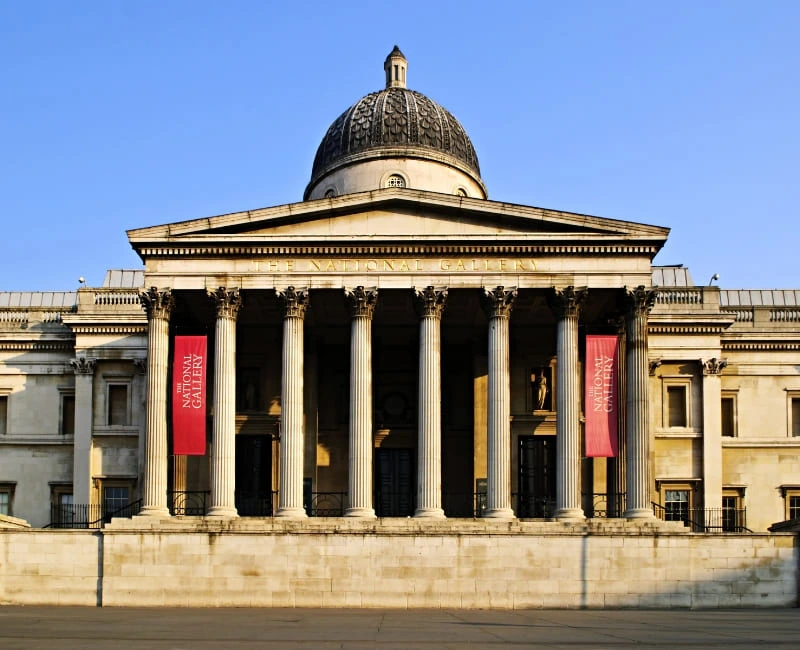
The UK’s museums and galleries form a cultural constellation, offering world-class collections and immersive experiences—many without an entry fee. In London, the British Museum stands as a time capsule of human civilization. The Rosetta Stone, Parthenon marbles and ancient Egyptian mummies sit alongside artefacts from across the globe, inviting endless fascination. Nearby, the National Gallery at Trafalgar Square houses masterpieces from the Renaissance to Impressionism, where works by Leonardo da Vinci, Van Gogh and Turner share walls illuminated by natural light.Art enthusiasts move seamlessly between the grand displays of Tate Britain and the industrial-chic halls of Tate Modern. In the former, Turner’s seascapes and Hogarth’s social cartoons trace British art history; in the latter, installations by Warhol, Hockney and emerging artists challenge perceptions of contemporary creativity. The Science Museum on Exhibition Road delights families with hands-on galleries exploring space, medicine and engineering, while the Natural History Museum captivates all ages with its towering dinosaur skeletons and striking geological exhibits.Beyond London, the north of England contributes equally compelling narratives. Manchester’s Museum of Science and Industry charts the Industrial Revolution that reshaped the world, while in Liverpool, Tate Liverpool and the Maritime Museum explore both local heritage and global connections forged on the Mersey. In Scotland’s capital, the National Museum of Scotland weaves natural history, design and Scottish culture into interactive halls beneath a striking glass roof. Glasgow responds in kind with the Kelvingrove Art Gallery and Museum, whose fine art galleries—including works by Rembrandt and Salvador Dalí—sit beside natural history dioramas in a red-sandstone landmark.Wales and Northern Ireland each boast their own cultural jewels. Cardiff’s National Museum of Wales presents art and archaeology alongside natural science collections, complemented by performances at the Wales Millennium Centre in the heart of Cardiff Bay. Belfast’s Titanic Belfast not only recounts the tragic ship’s story but does so within the vessel-shaped architecture on the very slipways where the Titanic was built.Specialty museums enrich every interest: the Imperial War Museum Duxford lets aviation fans sit in cockpits and see Spitfires up close, while the National Maritime Museum at Greenwich traces seafaring narratives in its elegant courtyard. Literary pilgrims trek to the Brontë Parsonage in Haworth or Shakespeare’s Birthplace in Stratford-upon-Avon to feel the inspirations behind classic works. Contemporary art thrives in regional hubs like Wakefield’s Hepworth Gallery, set beside the River Calder, and the Baltic Centre in Gateshead, housed in a converted flour mill overlooking the Tyne.Tailored itineraries can focus on art-lover trails through major cities, family-friendly science centers with interactive exhibits, or behind-the-scenes curator-led tours. Temporary exhibitions and late-night openings—such as Friday evenings at London’s museums—offer fresh moods and fewer crowds. Accessibility information, café recommendations and museum-shop highlights ensure comfort and convenience. Combined passes like the Art Fund or National Art Pass unlock discounts and priority entry across venues, while mindful scheduling around weekday mornings or free-entry galleries helps avoid peak congestion. Pair museum days with nearby neighbourhood explorations—Covent Garden’s street performers after the British Museum or riverside walks along the Thames after Tate Modern—to create varied, richly textured cultural excursions.
National Parks and Countryside

The United Kingdom’s national parks and countryside regions unfold a palette of landscapes ranging from tranquil lakeshores and rolling pastures to rugged mountain peaks and winding river valleys. In England’s Lake District, visitors traverse paths that skirt the mirrored surface of Windermere or climb to the summit of Scafell Pike—the country’s highest peak—rewarded by panoramic views of fells sculpted by ancient glaciers. Picturesque villages such as Ambleside and Grasmere invite leisurely afternoons in traditional tea rooms or boat rides across serene waters.Wales answers with Snowdonia National Park, where jagged peaks and cascading waterfalls form a playground for hikers and photographers alike. The ascent of Snowdon can be tackled on foot or by the Snowdon Mountain Railway, which chugs steeply through mist-cloaked slopes. Further south, the rolling green hills and limestone scars of the Yorkshire Dales provide a labyrinth of drystone walls, cave systems and field-lined lanes. Market towns such as Hawes offer glimpses into rural life and the chance to sample Wensleydale cheese straight from local dairies.The Peak District introduces gritstone edges that tempt rock climbers and walkers, while the gentle valleys below are threaded with riverside trails perfect for family strolls. Crossing into Scotland, the Cairngorms National Park reveals expansive plateaus and ancient pine forests. Loch Lomond & The Trossachs National Park, nearer the Central Belt, appeals to kayakers, wildlife enthusiasts seeking golden eagles and red deer, and campers drawn by its loch-side campsites. Northern Ireland’s Causeway Coast and Glens AONB blend coastal cliffs—including the Giant’s Causeway—with mountain hikes and scenic drives.England’s east extends into the notoriously flat but charming Norfolk Broads, a network of navigable waterways that lend themselves to gentle boat hire, birdwatching hides and waterside pubs. Cornwall’s South West Coast Path winds 630 miles of Devon and Cornwall coastline, weaving past hidden coves, surf beaches and clifftop villages that sparkle under summer skies. Wales’ Pembrokeshire Coast National Park enchants with rugged headlands, sea-carved cliffs and opportunities for coasteering and sea kayaking.Planning a countryside itinerary involves pairing trail grades and durations with seasonal conditions: spring lambing season brings meadows alive with new life; summer’s long days favor multi-peak traverses; autumn drapes woodland trails in gold and crimson; winter demands waterproof gear and awareness of shorter daylight. Essential preparations—detailed maps, GPS apps and contact information for mountain rescue—keep explorers safe. Accommodation options range from rustic campsites and glamping pods to B&Bs in converted farmhouses, while local pubs and farm shops serve hearty fare prepared with regional produce.For those seeking guided expertise, local outfitters offer walking tours that delve into ecological insights, sheepdog demonstrations and wild-foraging experiences. Family-friendly trails introduce interactive play areas and nature-craft workshops to engage younger adventurers. Photographers benefit from dawn and dusk light on moody peaks, while stargazers can visit designated dark-sky preserves for celestial panoramas.Sustainability is central: abiding by Leave No Trace principles, travelling by public transport or car-sharing where feasible, and supporting park-run events or volunteer planting initiatives nurture the landscapes for future visitors. Whether you aim to conquer summits, meander through valleys or simply breathe the sweet Highland air, Britain’s national parks and countryside invite you to discover the quiet grandeur and living traditions of its natural heritage.

Coastal Escapes

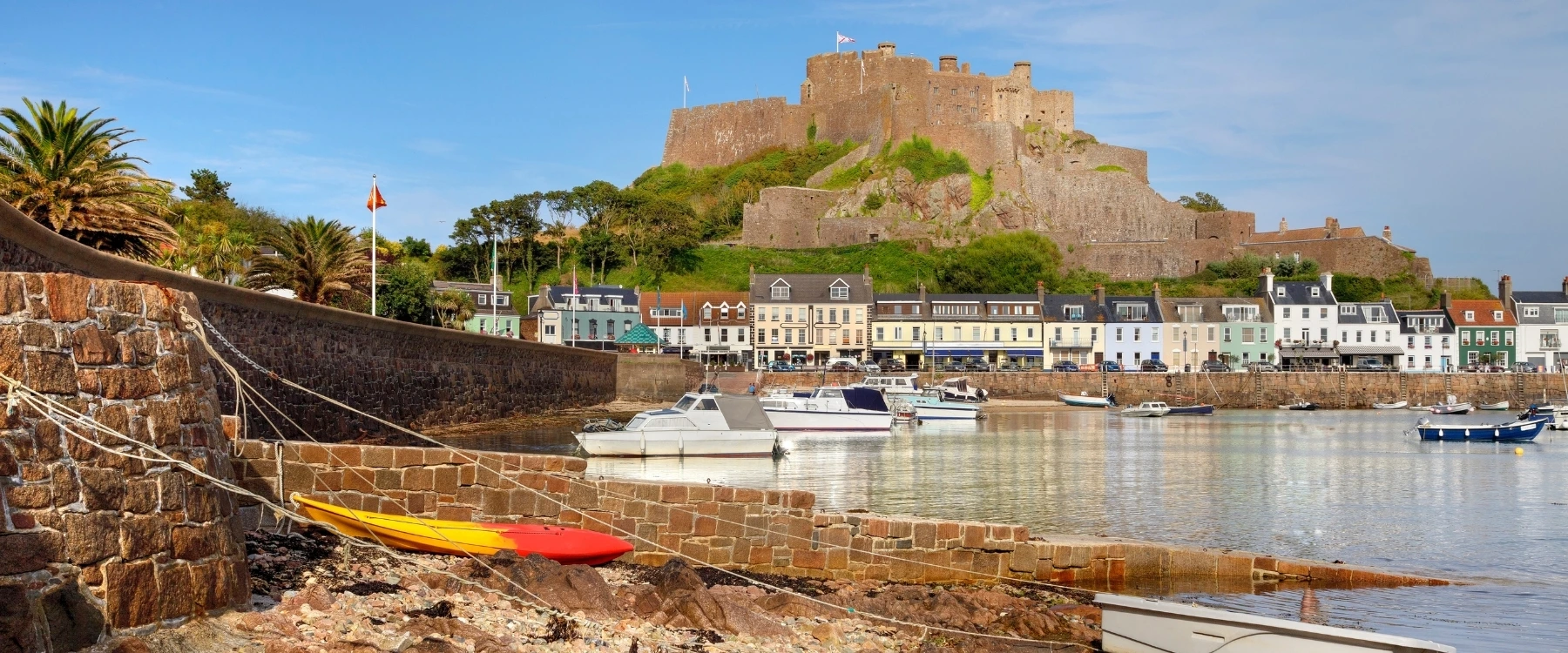
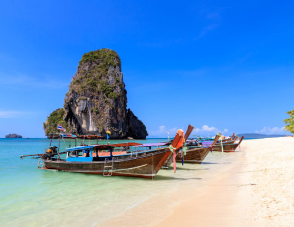
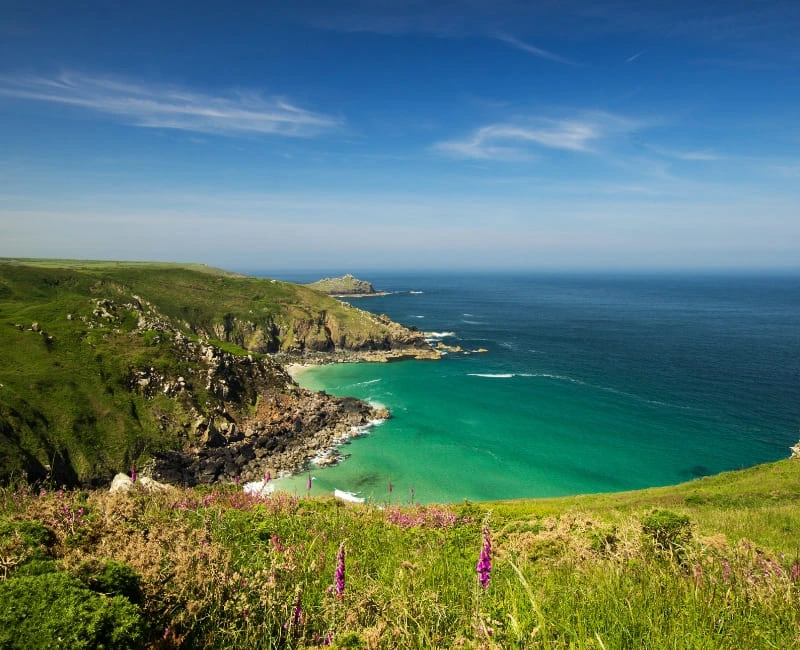
Stretching for thousands of miles, the United Kingdom’s coastline offers a remarkable variety of seaside experiences—from sun-baked beaches to towering cliffs shaped by millennia of wind and wave. In the southwest of England, Cornwall is synonymous with surfing culture and fishing villages. Newquay draws enthusiasts seeking Atlantic swells, while the quaint artist’s haven of St Ives combines golden sands with galleries showcasing Barbara Hepworth sculptures. The South West Coast Path meanders past hidden coves such as Kynance Cove, where turquoise waters lap against serpentine rock formations.Just across the Tamar, Devon’s Jurassic Coast unfolds a landscape hewn by time. Walking from Seaton to Lyme Regis reveals fossils embedded in cliffs, and the “Jurassic Coast Centre” in towns like Sidmouth offers guided fossil-hunting expeditions. Further west, the Lizard Peninsula boasts rare geology and lighthouse views that stretch toward West Cornwall’s southwestern tip.Over in Wales, the Pembrokeshire Coast National Park is the only UK national park with a maritime boundary, and it does not disappoint. Coastal trails present sea arches, tidal islands reachable on foot and secluded beaches framed by steep headlands. Kayaking tours take paddlers into sea caves, while guided coasteering sessions allow adventurers to scramble up rock faces and plunge into hidden rock pools.Scotland’s coastal wildness awaits in the Hebrides. Ferries from Oban deliver travelers to islands like Mull and Iona, where bleached sands and flame-colored heather meet ancient monastic ruins. The North Coast 500 route circles the northern Highlands, lifting the car into landscapes where seals bask on pebbly shores and whales glide in cold northern seas. On the east coast, the 7,800-year-old settlement at Skara Brae on Orkney reveals Neolithic stone houses clinging to the edge of sweeping bays.Northern Ireland’s Causeway Coastal Route spans 120 miles of scenic vistas. The hexagonal basalt columns of the Giant’s Causeway provide an otherworldly setting, while Carrick-a-Rede Rope Bridge offers a pulse-quickening crossing to a tiny island and nursery for seabirds. Quaint villages like Portstewart and Downpatrick combine sandy beaches with literary legends and maritime heritage.Further east in England, the Norfolk coast’s low grassy marshes and sandy beaches at Hunstanton and Wells-next-the-Sea appeal to birdwatchers drawn by migrating waders and seals sunning themselves on sandbanks. Suffolk’s seaside towns—Southwold and Aldeburgh—combine pastel beach huts with artisanal fish-and-chip shops and literary festivals inspired by local authors.Regardless of region, practical considerations shape any coastal escape. Summer months beckon with inviting water temperatures and long daylight, but peak crowds and higher accommodation rates prevail. Spring and autumn offer quieter shores, dramatic weather-driven light and opportunities for coastal photography. Winter walks reveal the raw power of storm-driven seas, provided windproof layers and sturdy boots are at hand. Safety on the water demands attention to tides, currents and lifeguard advice; certified instructors ensure confidence in surfing, kayaking or stand-up paddle boarding.Accommodation ranges from cliff-top hotels and seaside B&Bs to self-catering cottages and family-friendly caravan parks. Local seafood stars in coastal restaurants—whether it’s Cornish crab, Cullercoats bay prawns or Argyll mussels—served with a view of the rolling waves. Community festivals such as the Whitstable Oyster Festival or the Newlyn Fish Festival celebrate maritime traditions and bring local life to harbourside quays.For a truly memorable coastal journey, blend gentle beach days with active exploration: coastal paths by day, seafood feasts by night, and stargazing under low-light skies where constellations reflect on glassy waters. The UK’s shores await whether you seek surf, sand, solitude or seaside spectacle.

Destination

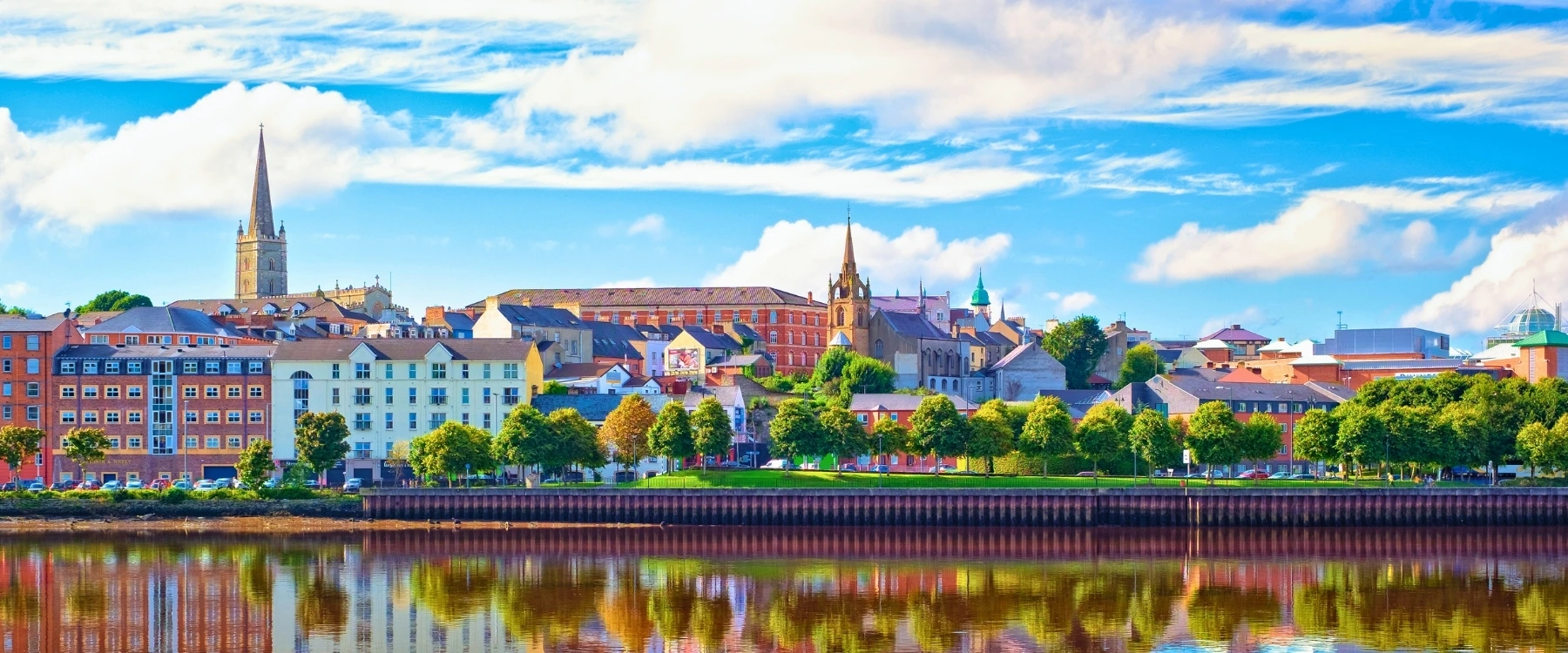
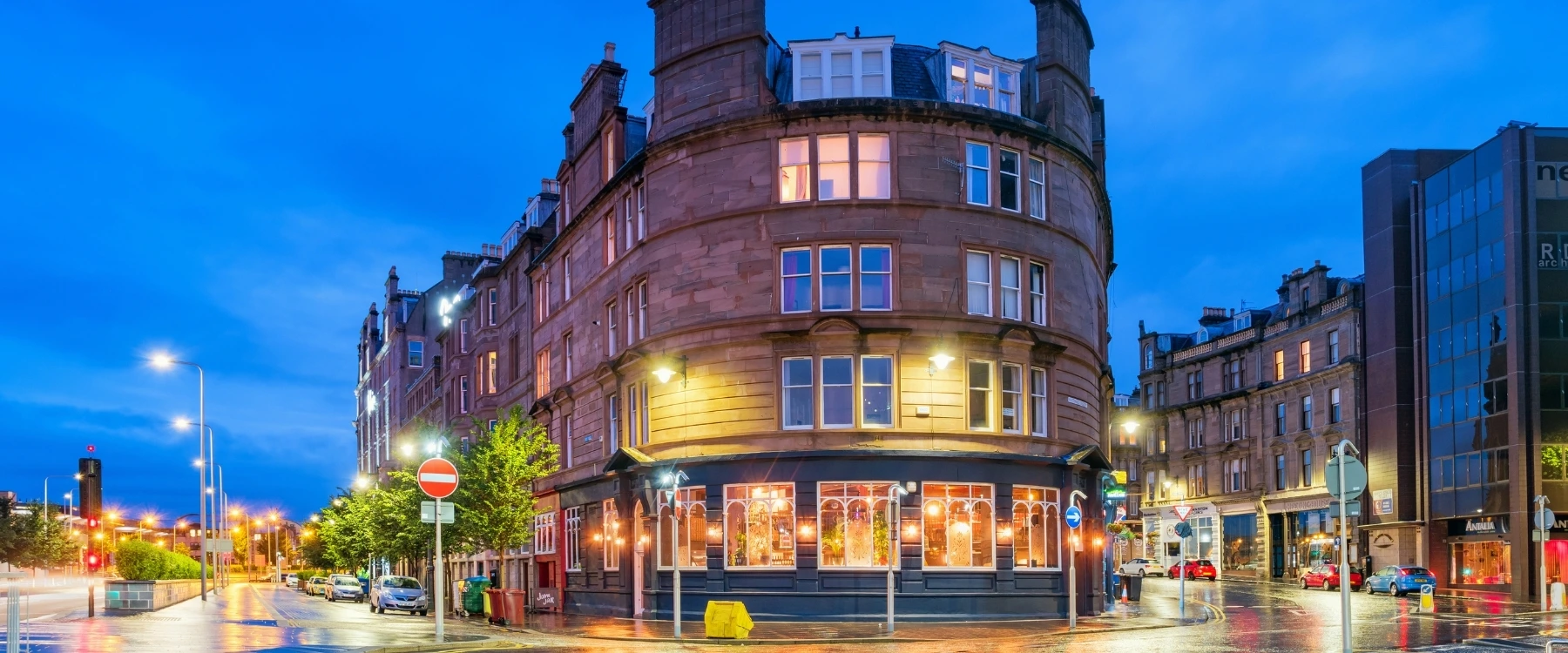
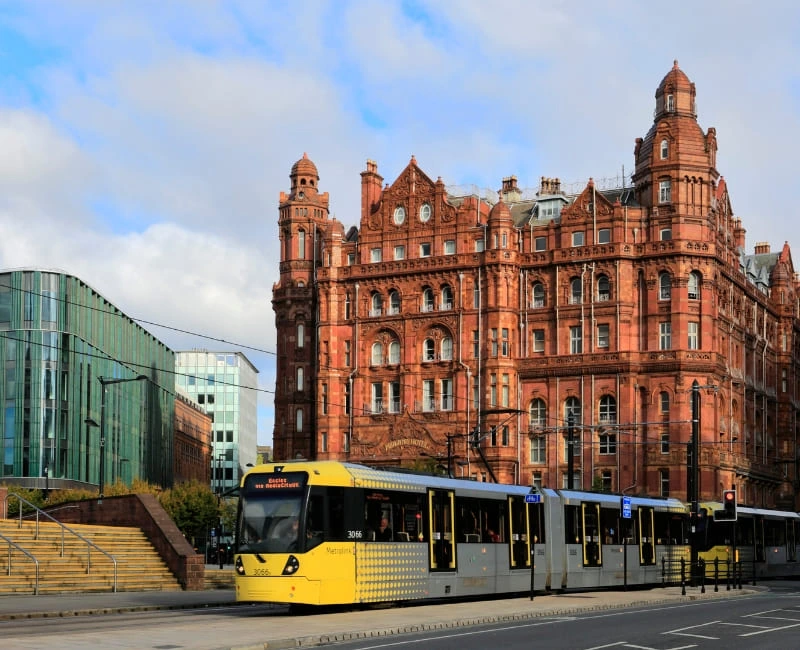
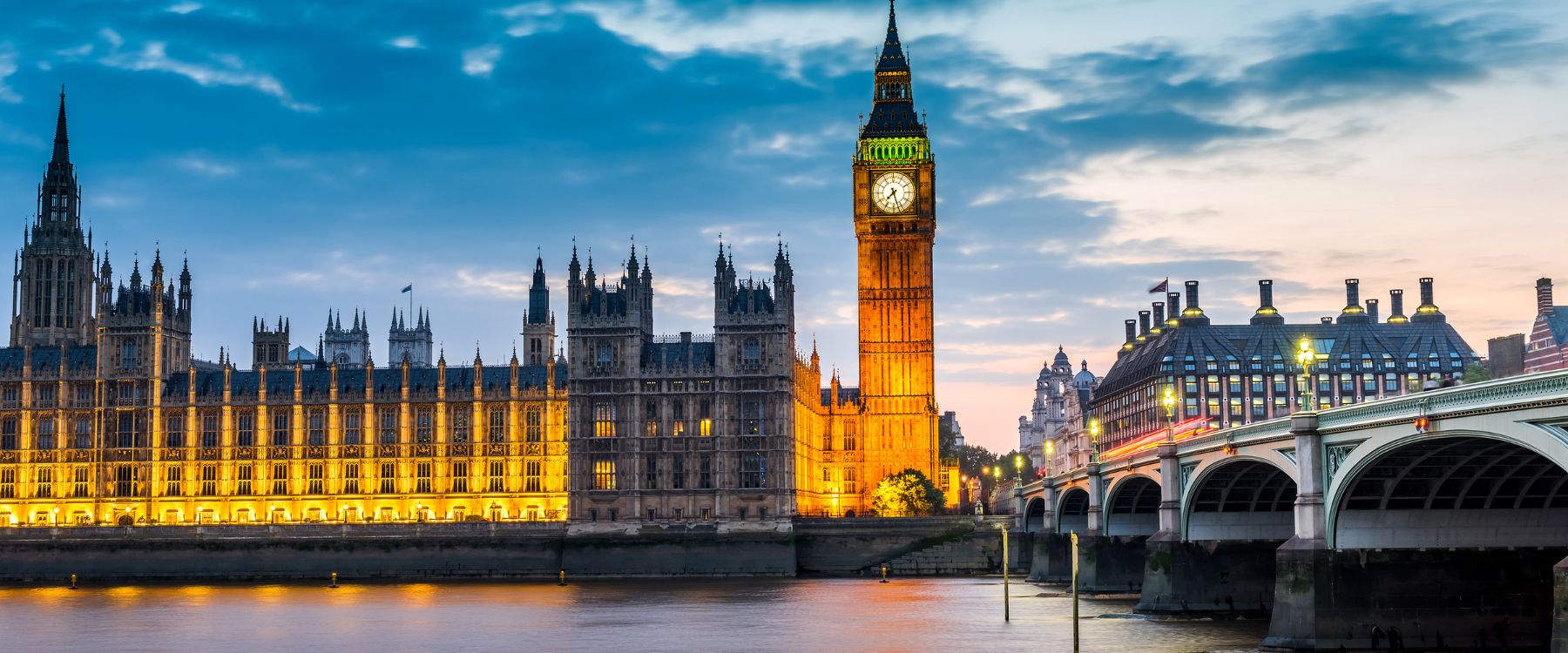
The United Kingdom’s cities are dynamic hubs where centuries-old heritage intersects with cutting-edge culture. At the heart of it all sits London, a vast metropolis crowned by landmarks such as the Tower of London, Westminster Abbey and the glass-and-steel shard of The Shard. Yet beyond its icons, London’s neighbourhoods pulse with life. In Soho and Shoreditch, street art and independent galleries complement boutique cafés serving innovative brunch fare. Camden’s markets overflow with global flavours and upcycled fashions; Borough Market tempts foodies with artisanal cheeses, charcuterie and Elizabethan kitchens where modern chefs reimagine British classics. After dark, rooftop bars from Peckham to Southbank offer 360-degree views of illuminated landmarks.Manchester traces its identity from the Industrial Revolution to the Madchester music scene. The Victorian grandeur of its Town Hall and Libraries sits alongside the hip bars and record shops of the Northern Quarter. Football fans can tour Old Trafford or the Etihad Stadium, while art aficionados explore the Whitworth Gallery’s blend of botanical gardens and contemporary installations. Nightlife pulses in warehouses converted into eclectic clubs where DJs spin techno, house or indie.Edinburgh balances medieval Old Town alleys with Georgian New Town squares. A stroll down the Royal Mile brings you to the historic Edinburgh Castle, and a climb up Arthur’s Seat—an extinct volcano—yields panoramic views of a city built on ashes. Each August, the city transforms for the Edinburgh Festival Fringe, when theatre, comedy, dance and music spill out from stages into streets and courtyards. Save room for crisp Scotch whisky in cosy pubs tucked beneath tenement buildings.Glasgow offers a different Scottish temperament. Renowned for its upbeat music scene—from legendary venues like King Tut’s Wah Wah Hut to festival line-ups—the city’s West End boasts vintage shops, indie cafés and quiet escapes in the Botanic Gardens. Art lovers linger in the ornate halls of Kelvingrove Art Gallery, where Dali’s “Christ of St John of the Cross” shares space with medieval armour.Cardiff, compact and walkable, melds a revived waterfront with a medieval castle at its core. Welsh language signage nods to national pride alongside burgeoning craft-beer bars and a calendar of rugby matches that unite fans. Belfast has emerged from its Troubles past into a city of murals, Titanic Quarter museums and brewing cooperatives that pay homage to a shipbuilding legacy.Across these cities, efficient transport networks—metros in London, Glasgow’s subway, trams in Manchester and Edinburgh’s bus corridors—keep you moving. Bike-share schemes encourage pedaling along riverbanks, while walking tours led by local storytellers reveal hidden passages, ghost stories or street-art backstreets. Culinary scenes range from Michelin-starred tasting menus to multicultural food halls reflecting diaspora communities. Shopping spans luxury boutiques in Mayfair, edgy designers in Bristol’s Wapping Wharf and antique markets in York’s Shambles.Whether your interests lie in theatre, live music, world cuisines or sporting spectacles, the UK’s cities provide endless layers of experience. Frequent cultural festivals—including Liverpool’s Biennial, Bristol’s Harbour Festival and London’s West End shows—mean there’s always something new to discover. Vibrant yet historically rooted, these urban centres invite you to weave through their stories, sample their flavours and dance to their rhythms.

Vibrant City Life

Discover world-famous destinations that continue to captivate travelers with their iconic landmarks, rich history, and vibrant cultures. These popular spots offer well-developed tourism infrastructure, diverse accommodation options, and countless activities for every type of traveler. While these destinations attract millions of visitors annually, they maintain their unique charm and continue to offer new experiences even for repeat visitors seeking to uncover hidden layers beyond the main attractions.

Hotel

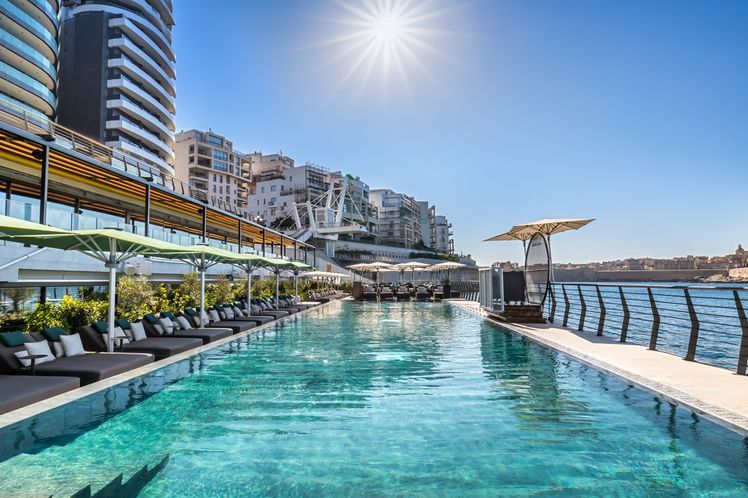
Indulge in premium accommodation options that offer exceptional service, world-class amenities, and exquisite dining experiences. Luxury hotels provide personalized attention, sophisticated design, and exclusive facilities that transform your stay into a memorable journey. From five-star city hotels to boutique resorts in exotic locations, these properties prioritize guest comfort and satisfaction while offering unique local experiences and impeccable hospitality standards.

Hotel

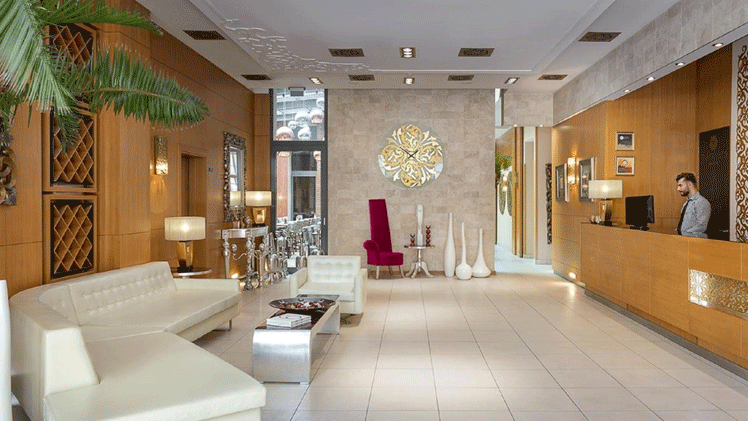
Find comfortable and affordable lodging options that don't compromise on quality or experience. Budget hotels, hostels, and guesthouses offer excellent value for money while providing clean, safe accommodations in convenient locations. Many budget options feature communal spaces that encourage social interaction, local recommendations from knowledgeable staff, and authentic experiences that allow travelers to stretch their budget further while exploring new destinations.

Join our newsletter
Subscribe to see secret deals prices drop the moment you sign up!

No ads. No trails. No commitments