
Vietnam

Vietnam

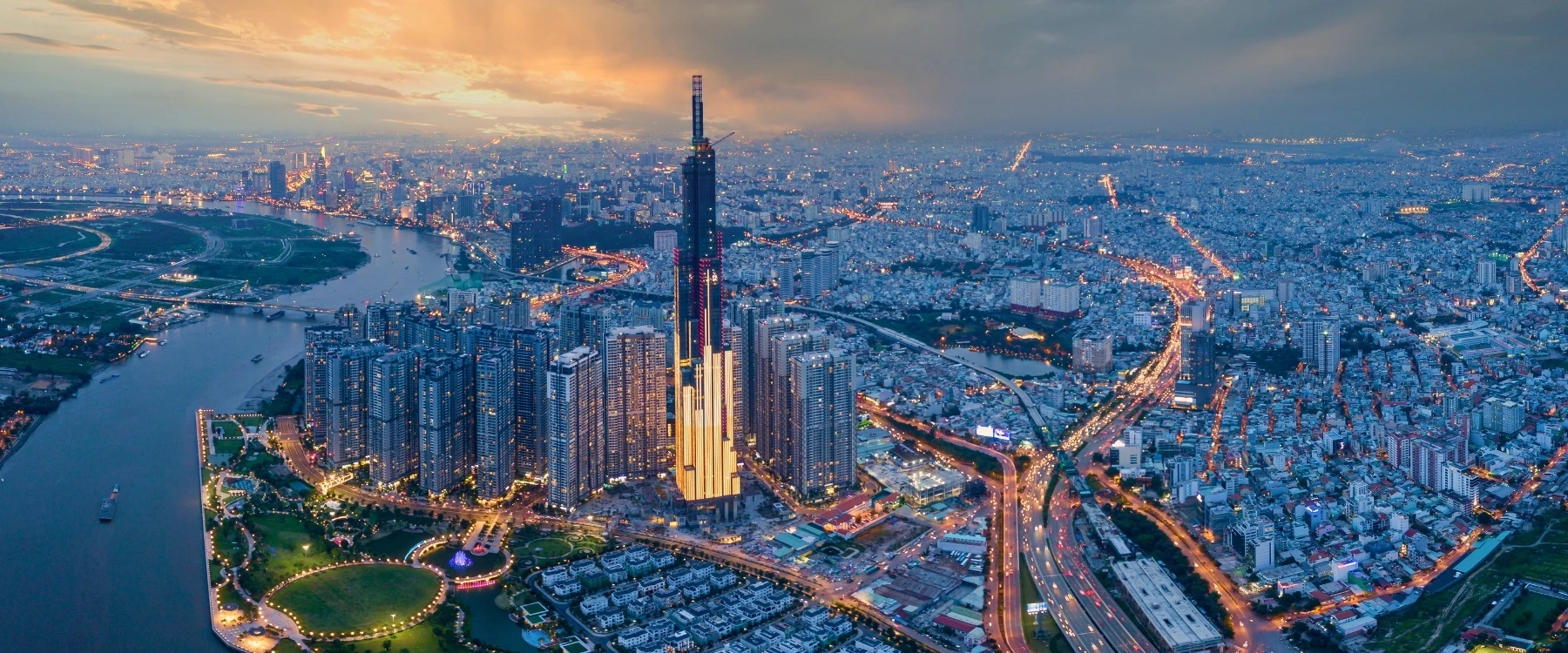
 Vietnam is a vibrant Southeast Asian nation stretching along over 1,600 kilometers of coastline, characterized by lush rice terraces in the north, dramatic karst landscapes along Ha Long Bay, bustling cities such as Hanoi and Ho Chi Minh City, and serene beaches in the central and southern regions. Geographically, Vietnam sits at approximately 14.0583° N latitude and 108.2772° E longitude, placing it firmly in the tropical to subtropical belt. Its long, narrow shape yields dramatic climatic variations: the north experiences cooler winters and hotter, humid summers, while the south remains warm year-round.Travelers are drawn by Vietnam’s deep cultural heritage, shaped by dynastic kingdoms, colonial influences, and modern rapid development. Ancient temples and pagodas sit alongside French colonial architecture and sleek skyscrapers. Hanoi’s Old Quarter offers labyrinthine streets filled with street-food vendors, coffee shops, and artisans. In contrast, Ho Chi Minh City pulses with modern energy—high-rise buildings, contemporary art galleries, vibrant nightlife, and dynamic local markets. Central Vietnam, with cities like Da Nang, Hoi An, and Hue, blends imperial history with beachside relaxation and culinary delights. The Mekong Delta region in the south reveals floating markets, lush waterways, and rural lifeways that have persisted for generations.Vietnam’s cuisine is renowned worldwide: from delicate pho and bun cha in Hanoi, to fresh seafood along the coast, to regional specialties such as Bánh xèo (savoury pancakes), Cao lầu in Hoi An, and tropical fruits in the Mekong Delta. Street-food culture is central: affordable, flavourful dishes prepared fresh in open-air stalls allow travellers to taste authentic local life. Coffee culture is likewise distinctive; Vietnamese iced coffee with condensed milk is a perennial favourite.Nature enthusiasts find abundant variety: trekking in the northern highlands among ethnic minority villages (Sapa region), cruising limestone islands in Ha Long Bay and Lan Ha Bay, exploring caves in Phong Nha–Ke Bang National Park, sunbathing on white-sand beaches in Nha Trang or Phu Quoc, and paddling through mangrove forests in the Mekong. Adventure seekers can cycle rural backroads, kayak in hidden lagoons, or motorbike along scenic coastal highways. Wellness and relaxation options include spa retreats, yoga by the beach, and eco-lodges in mountainous areas.Culturally, Vietnam celebrates festivals throughout the year: Tết Nguyên Đán (Vietnamese Lunar New Year) in late January or February, Mid-Autumn Festival, boat races during regional celebrations, and numerous local temple festivals. Observing these festivals offers insight into local beliefs, customs, and community life—but it requires planning, as services and transport can be affected during major holidays (especially Tết).The best time to visit varies by region, but generally falls between November and April, when rainfall is lower in much of the country. However, if focusing on central or southern beaches, understanding regional monsoon patterns is important (e.g., central coast may receive rain from September to November). Booking in shoulder seasons can yield fewer crowds and better rates, though weather unpredictability should be accounted for.Whether seeking cultural immersion, culinary exploration, nature adventures, or beach relaxation, Vietnam delivers diverse experiences. An ideal trip length is at least 10–14 days to cover major highlights, though shorter or longer itineraries can be tailored to interests. From the highlands of Sapa to the waterways of the Mekong Delta, from historic sites in Hue to dynamic city life in Ho Chi Minh City, Vietnam offers a rich tapestry that rewards curiosity, openness, and a spirit of adventure.

Travila Vietnam Travel Guide

What to know before Travelleing

Paris is known around the world as the “capital of love,” and even if you don't understand the history of Paris at all

Language: Vietnamese
Peak Season: November to April
Time Zone: UTC+7
Currency: Vietnamese Đồng (VND)
Travila

11 Hours

Average Flight Time

£1

Price Of Pint
Transport
Best time to visit

Top Destinations in Vietnam

Historic Hanoi & Northern Heritage

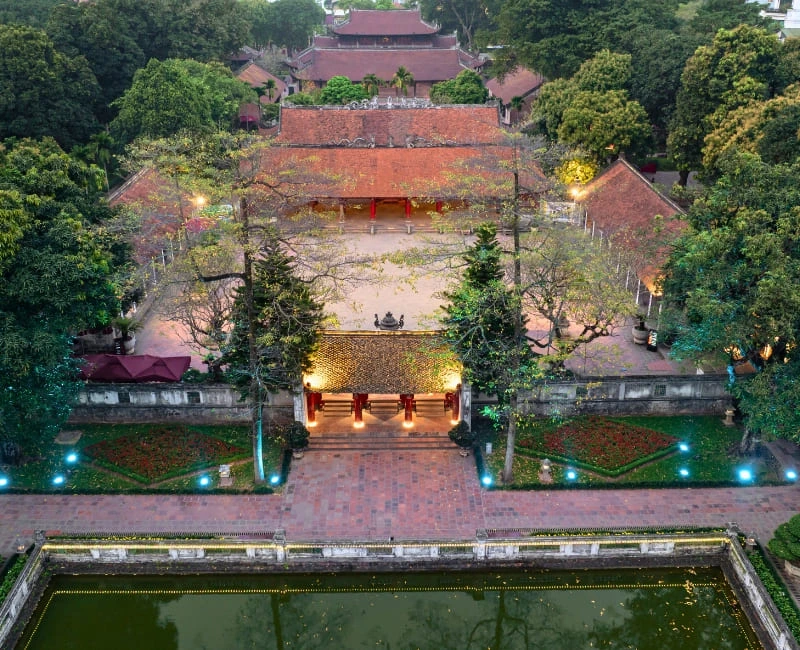
 Hanoi, Vietnam’s capital city, represents a fascinating fusion of centuries-old traditions and contemporary vigor. Strolling through the Old Quarter’s narrow lanes reveals a tapestry of history: colonial French-era buildings housing boutiques, centuries-old temples tucked between modern cafés, and street vendors peddling traditional snacks. The city’s architecture displays layers of influence: from ancient mausoleums and pagodas like the Temple of Literature (Văn Miếu) to colonial-era villas and Communist-era public buildings. The Hoàn Kiếm Lake precinct, centered around Ngọc Sơn Temple on a small islet, is a focal point for locals practicing tai chi at dawn and gathering in the evening.Beyond the Old Quarter, the Imperial Citadel of Thăng Long (a UNESCO World Heritage site) offers insight into Vietnam’s dynastic past. Excavations and restored sections reveal relics spanning over a thousand years, highlighting the region’s importance as the center of Vietnamese civilization. Museums such as the Vietnam Museum of Ethnology showcase the diverse ethnic groups of northern highlands, providing context to the cultural mosaic beyond urban life. Engaging with local artisans in villages preserves handicraft traditions: pottery villages, silk weaving communities, and woodcarving workshops lie within a short drive from Hanoi.Northern heritage extends into mountainous regions. A multi-day journey to Sapa or Mai Châu reveals terraced rice fields sculpted into hillsides, where Hmong, Dao, Tay, and other ethnic minorities maintain traditional lifestyles. Trekking through villages allows visitors to stay in homestays, taste home-cooked meals, and learn about textile weaving, herbal medicine, and agricultural rituals. These experiences deepen understanding of Vietnam’s cultural diversity and rural livelihoods. Environmental stewardship is evident in community-based tourism initiatives emphasizing sustainable practices and respect for local customs.Culinary heritage in Hanoi is integral: iconic dishes like phở Hà Nội, bún chả, and bánh cuốn are more than mere meals—they embody centuries of culinary evolution. Sampling these dishes at family-run establishments or street stalls provides an authentic connection to local life. Traditional arts—water puppet performances, ca trù singing, and folk music—can be enjoyed at cultural venues, linking modern audiences to age-old storytelling forms. Festivals such as Tết (Lunar New Year) transform Hanoi: streets adorned with peach blossoms and kumquat trees, communal gatherings around ancestral altars, and dragon dances in the streets create immersive cultural spectacles.While Hanoi rapidly modernizes, efforts to preserve heritage are ongoing. Restoration projects, regulations on historic districts, and promotion of intangible cultural heritage balance tourism growth with authenticity. Visiting Hanoi early in a trip offers a grounding in Vietnam’s history and culture, setting the stage for exploring other regions with an informed perspective.
Architectural Gems & Imperial Hue

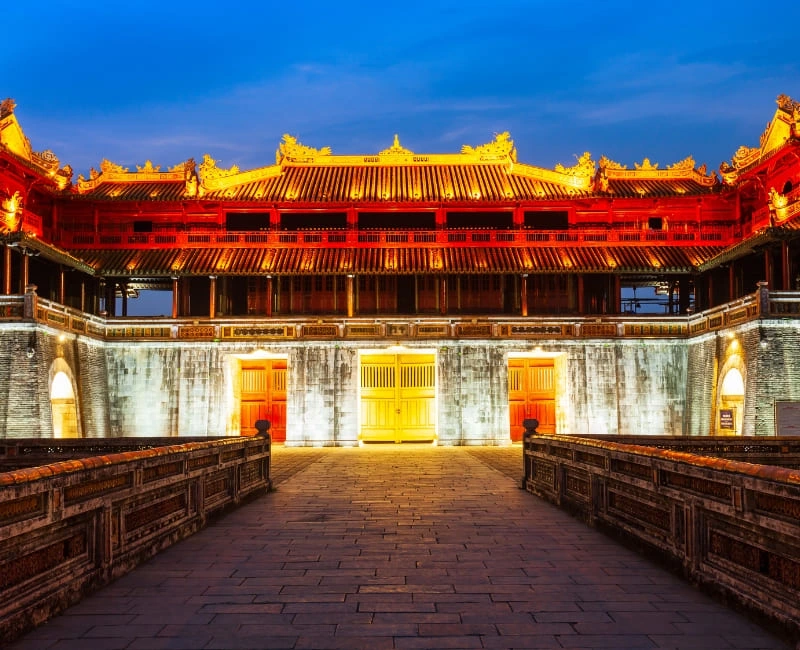
 Central Vietnam’s city of Hue served as the imperial capital during the Nguyen dynasty (1802–1945). Its architectural and cultural legacies remain palpable in the Citadel complex, royal tombs, and pagodas lining the Perfume River. The Hue Imperial City, surrounded by a moat and massive walls, houses palaces, shrines, and gates reminiscent of the Forbidden City in Beijing, but with distinct Vietnamese aesthetics. Intricate carvings, dragon motifs, and serene courtyards reflect the artistry and symbolism of the era. Exploring the Citadel at dawn or dusk enhances the atmosphere, as soft light illuminates ancient stones and tranquil gardens.Beyond the Citadel, the Royal Tombs of successive Nguyen emperors are set in landscaped sites outside the city. Each tomb complex blends architecture with natural settings: rolling hills, pine forests, lakes, and ornamental gardens create contemplative spaces. The Tomb of Emperor Tu Duc is a prime example, with pavilions overlooking a serene lake, while Emperor Khai Dinh’s tomb combines Vietnamese and European influences with elaborate mosaic decorations. Guided tours provide historical context on imperial ceremonies, burial traditions, and the symbolism embedded in design.Hue’s pagodas, such as Thien Mu Pagoda overlooking the Perfume River, embody spiritual heritage. The seven-story octagonal tower of Thien Mu is an iconic symbol of Hue, offering vistas of the river and surrounding countryside. Monks residing at these sites maintain religious practices, offering opportunities for respectful observation or participation in meditation sessions and ceremonial events. Traditional music performances (nhã nhạc cung đình Huế) revive court music—delicate melodies performed with ancient instruments in royal settings. Evening concerts in palace courtyards evoke the era’s refined aesthetics.Cuisine in Hue is distinctive: royal recipes once confined to the imperial court have influenced local dishes. Known for balanced flavors, offerings include bún bò Huế (spicy beef noodle soup), bánh bèo (steamed rice cakes topped with shrimp), and various vegetarian specialties served at pagodas. Walking food tours reveal hidden alleys where local families prepare age-old recipes, connecting culinary traditions to cultural heritage.The Perfume River itself is central to Hue’s identity. Boat cruises at sunrise or sunset allow for contemplative reflections on the landscape. Seasonal rhythms—lotus blooms in summer or misty mornings in cooler months—add poetic ambience. Visiting rural villages along the riverbank uncovers rice farming traditions and artisanal crafts, such as conical hat (nón lá) weaving and incense stick production. These excursions illustrate the interplay between nature, agriculture, and cultural practices.Hue’s location between mountains and sea also allows day trips: the Hai Van Pass offers scenic drives linking Hue to Da Nang; coastal beaches like Lang Co provide seaside respite; and the Cham Islands (from nearby Hoi An) offer marine biodiversity exploration. Hue thus serves as a cultural anchor in central Vietnam, inviting travelers to delve into imperial legacies, spiritual traditions, and regional identities through immersive experiences that honor the past while engaging contemporary life.
Coastal Retreats & Beach Escapes

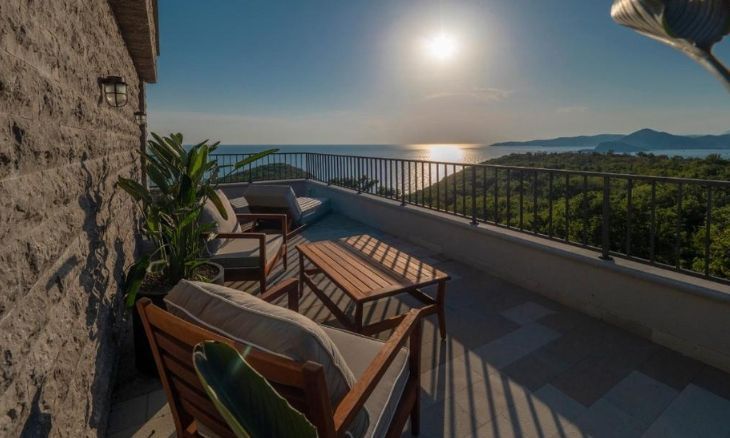
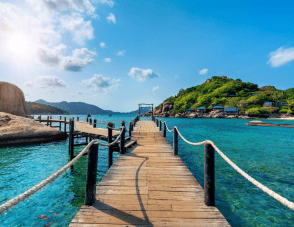
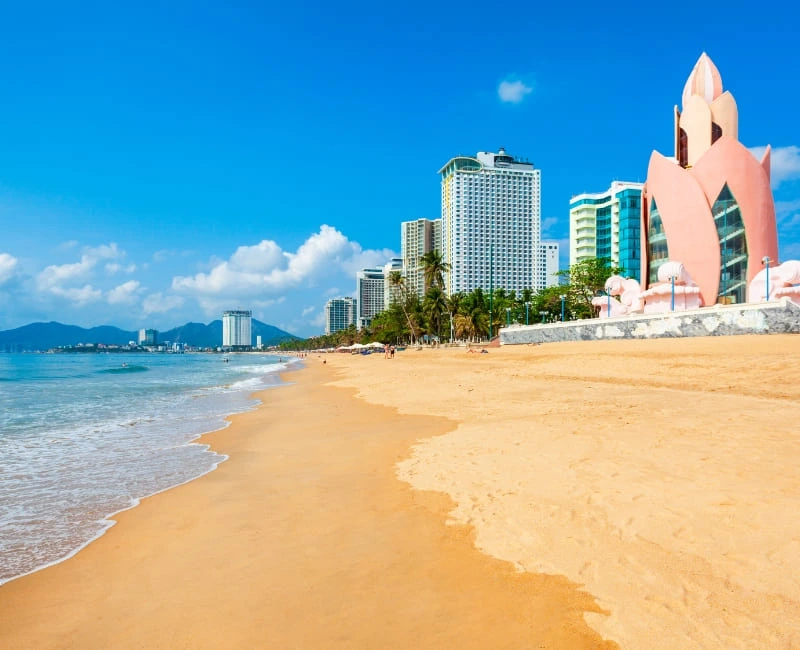
 Vietnam’s coastline, stretching over 3,000 kilometers, offers a spectrum of beach experiences from lively resort towns to secluded islands. Central Vietnam’s beaches around Da Nang and Hoi An are renowned for fine white sand and clear waters. Da Nang’s My Khe Beach combines modern amenities with natural beauty: beachside resorts, water sports facilities, and local seafood restaurants line the shore. Nearby, Hoi An’s An Bang Beach provides a more laid-back vibe, with boutique beachfront cafés and yoga classes at sunrise.To the south, Nha Trang is a popular beach destination with vibrant nightlife, diving excursions to nearby islands, and hot-spring spas. Its well-developed tourist infrastructure suits both families and solo travelers, offering boat trips to islands with snorkeling and diving opportunities, as well as coastal hiking trails. Further south, Phu Quoc Island has emerged as a premier tropical getaway: pristine beaches fringed by coconut palms, coral reefs ideal for diving, and burgeoning eco-resorts emphasizing sustainable practices. Exploring Phu Quoc’s national park interior reveals diverse flora and fauna, waterfalls, and hiking trails away from the shoreline.In central Vietnam, lesser-known coastal areas such as Quy Nhon and Quy Nhơn (Bình Định province) feature uncrowded beaches, traditional fishing villages, and mountain backdrops. These areas remain off the main tourist trail, offering authentic local interactions: early-morning visits to fish markets, cooking local seafood dishes with fishermen’s families, or kayaking among coastal islets. Adventure seekers can try kite-surfing or paddleboarding in suitable seasons.Further south, the Mekong Delta region opens to the sea near the Gulf of Thailand, with islands such as Phu Quoc and Con Dao. Con Dao archipelago offers secluded beaches, coral reefs, and historical sites (former prison islands). The islands’ remoteness ensures fewer visitors; eco-conscious travelers can participate in turtle conservation programs and explore tropical forests.Beach-season timing varies: central coast is best visited from January to August when rainfall is lower, while southern beaches like Phu Quoc are pleasant November to April. Shoulder seasons may bring occasional rain but offer quieter beaches and lower rates. Beach resorts range from budget bungalows to luxury villas; advance booking is recommended during peak periods such as December–March.Wellness and relaxation options flourish along the coast: spa treatments featuring local ingredients (seaweed wraps, herbal baths), yoga and meditation retreats overlooking the ocean, and fresh seafood cuisine served in open-air restaurants. Sunrise and sunset beach walks provide opportunities for reflection and photography. Cultural experiences blend with beach stays: visiting nearby fishing villages, attending local festivals, or exploring coastal pagodas and Cham or Khmer ruins along the shore.Transportation to beach destinations is efficient: domestic flights serve major hubs like Da Nang, Nha Trang, and Phu Quoc; trains and buses connect coastal cities; ferries link islands and mainland. Planning multi-center beach itineraries allows travelers to experience varied coastal environments—from bustling beach towns to remote island sanctuaries—while appreciating Vietnam’s maritime heritage and natural beauty.

Ha Long Bay & Karst Landscapes

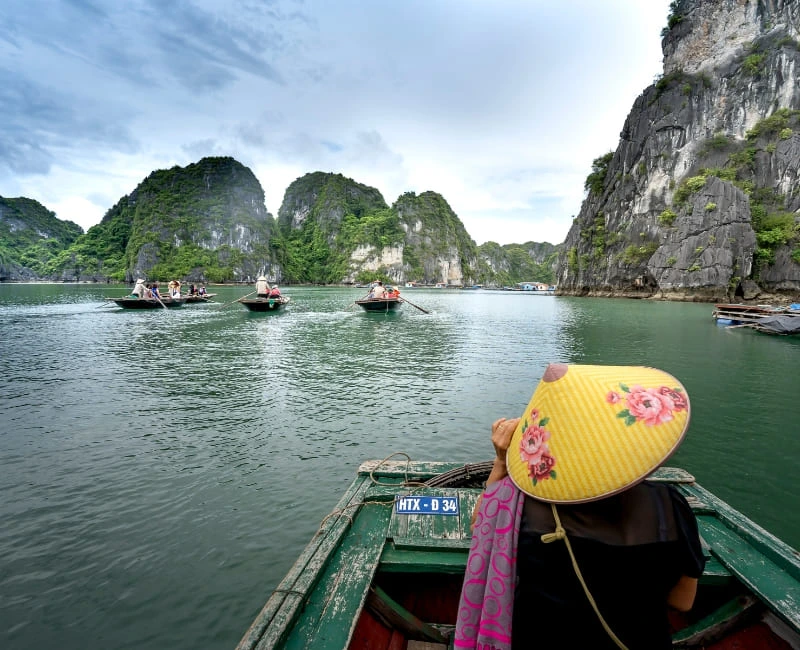
 Ha Long Bay, a UNESCO World Heritage Site, epitomizes Vietnam’s iconic karst seascape: thousands of limestone islands and islets rising from emerald waters, creating a surreal maritime panorama. Cruises range from day tours to overnight voyages on traditional junks or modern cruise vessels, offering opportunities to explore caves, kayak in hidden lagoons, visit floating fishing villages, and witness sunrise or sunset among limestone towers. Photographers and nature enthusiasts relish the interplay of light and shadow on limestone pinnacles, with shifting weather patterns—misty mornings or clear blue skies—enhancing the dramatic scenery.Beyond the main Ha Long Bay, adjacent Lan Ha Bay and Bai Tu Long Bay provide less-crowded alternatives with similar karst formations. Lan Ha Bay, near Cat Ba Island, combines rugged mountains covered in forest with sheltered bays ideal for kayaking and swimming. Cat Ba Island itself features Cat Ba National Park, where hiking trails lead to panoramic viewpoints and encounters with endemic flora and fauna. The island’s community-based tourism initiatives emphasize sustainable practices, offering homestays and local-guided treks.Northern Vietnam’s karst landscapes extend inland: Ninh Binh province, often called “Ha Long Bay on land,” features limestone plateaus interwoven with rice paddies and rivers. Boat trips through Trang An or Tam Coc navigate beneath towering karsts, passing small caves and riverside villages. Cycling through the countryside reveals ancient pagodas perched on limestone hills, tranquil temples, and friendly villagers tending fields. This region combines cultural heritage (ancient capitals, pagodas) with natural beauty, offering immersive day-trip or multi-day expedition options.Phong Nha–Ke Bang National Park further west showcases one of the world’s most spectacular cave systems. Tours to caves such as Paradise Cave, Phong Nha Cave (accessible by boat), and the more adventurous Hang Sơn Đoòng expedition (the world’s largest cave) reveal vast caverns, underground rivers, and unique karst formations. Jungle trekking before cave access immerses visitors in evergreen forests, spotting wildlife and learning about conservation efforts. Local communities host visitors, sharing stories of life amid remote karst landscapes.For active travelers, kayaking through hidden lagoons in Ha Long Bay or paddling in Ninh Binh’s waterways provides close-up views of karst walls, submerged caves, and diverse birdlife. Rock climbing opportunities exist on select limestone cliffs (with guided operators ensuring safety). Photography tours at sunrise capture fog rising around limestone pillars, while sunset cruises offer golden-hour reflections on calm waters.Accommodation ranges from simple homestays on Cat Ba or in Ninh Binh countryside, to eco-lodges tucked into karst foothills, to upscale cruise vessels with comfortable cabins and gourmet dining. Sustainable tourism initiatives emphasize minimizing environmental impact: waste management on boats, regulated visitor numbers in sensitive areas, and support for local livelihoods through community-based services. Visiting during shoulder seasons can reduce crowds but may involve cooler or wetter weather; planning around seasonal patterns is essential.Ha Long Bay and related karst regions embody Vietnam’s natural wonders, blending geological marvels with cultural and community experiences. Whether on a traditional junk drifting among limestone towers, trekking in jungle before entering vast caves, or cycling through rice fields framed by karst peaks, travelers gain a profound appreciation for the interplay of land, water, and human life that defines northern Vietnam’s karst landscapes.

Destination

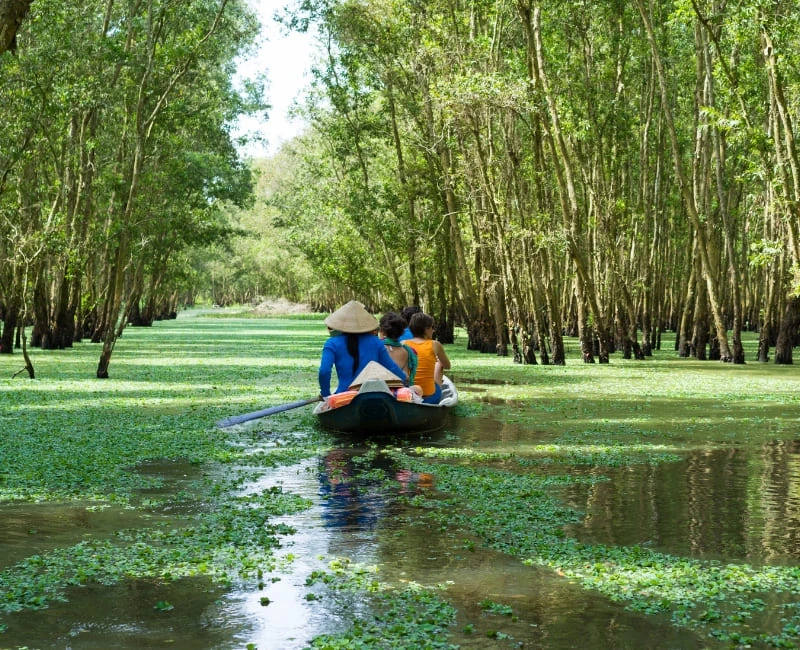
 The Mekong Delta, often called Vietnam’s “rice bowl,” is a labyrinth of rivers, canals, and lush farmland in the southernmost region. Life here revolves around water: floating markets where boats laden with fruits, vegetables, and household goods trade at dawn; stilted houses and riverside villages connected by narrow waterways; and orchards producing tropical fruits. Navigating the delta offers an intimate glimpse into rural life, where farmers plant and harvest rice in terraced fields, fishermen cast nets, and families engage in cottage industries such as coconut candy production or rice-paper making.A typical Mekong itinerary begins with a boat ride on a river branch, passing stilt houses and verdant landscapes. Early-morning visits to floating markets like Cai Rang (near Can Tho) showcase vibrant commerce: vendors on boats display colorful fruit pyramids, while buyers negotiate prices from sampans. Later, cycling through village lanes reveals small-scale farms, fruit orchards, and workshops crafting local specialties. Homestays with families allow travellers to prepare traditional dishes—fresh spring rolls, fish in clay pots, or sweet coconut treats—using ingredients grown nearby. Such immersion fosters cultural exchange and supports local communities.The delta’s ecology includes mangrove forests, bird sanctuaries, and seasonal flooding patterns that replenish soils. Boat excursions to nature reserves, such as Tram Chim National Park or U Minh Thuong National Park, offer wildlife watching—spotting waterbirds, otters, and diverse flora. Conservation-focused tours highlight the balance between agriculture and ecosystem preservation, with local guides explaining challenges such as water management, climate-change impacts, and sustainable farming practices. Travelers can contribute by choosing eco-friendly activities and supporting community-led initiatives.Floating homestays or eco-lodges on riverbanks provide tranquil settings for relaxation and reflection. Early morning mist over the waterways, sounds of waterbirds, and glimpses of villagers going about daily routines create an immersive atmosphere distinct from urban life. Canoeing through narrow canals or sampan rides under coconut palms deepen the sense of connection to this watery world.Transportation within the delta involves boats, motorbike taxis, and inter-provincial buses. Main gateway cities include Can Tho and Vinh Long; from there, organized tours or private guides facilitate exploration. Seasonal variations affect river levels and market activity: high-water season (July–November) floods farmland, creating unique scenes of houses surrounded by water; dry season (December–June) concentrates activity on waterways with exposed riverbanks. Planning itineraries to align with seasons enhances experiences—visiting floating markets when water levels are optimal, observing agricultural cycles, or participating in harvest activities.Cultural insights extend beyond commerce: visiting local pagodas, attending village festivals, and learning about Cham or Khmer minority communities in certain delta areas enrich understanding of the region’s diversity. Artisanal crafts—conical hat weaving, mat-making from pandan leaves, or incense production—offer hands-on opportunities. Supporting social enterprises helps ensure that tourism benefits local livelihoods sustainably.The Mekong Delta embodies a slower pace, where water shapes every aspect of life. For travelers seeking authentic rural experiences, community engagement, and ecological awareness, the delta provides a compelling contrast to city or beach vacations. By embracing responsible practices—respecting local customs, reducing plastic use, and choosing community-based accommodations—visitors can enjoy profound connections while contributing positively to the delta’s future.

Mekong Delta & Southern Waterways

Discover world-famous destinations that continue to captivate travelers with their iconic landmarks, rich history, and vibrant cultures. These popular spots offer well-developed tourism infrastructure, diverse accommodation options, and countless activities for every type of traveler. While these destinations attract millions of visitors annually, they maintain their unique charm and continue to offer new experiences even for repeat visitors seeking to uncover hidden layers beyond the main attractions.

Hotel

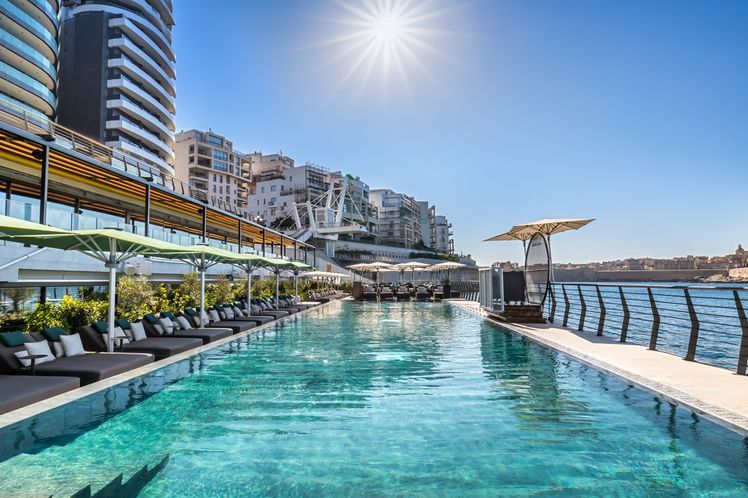
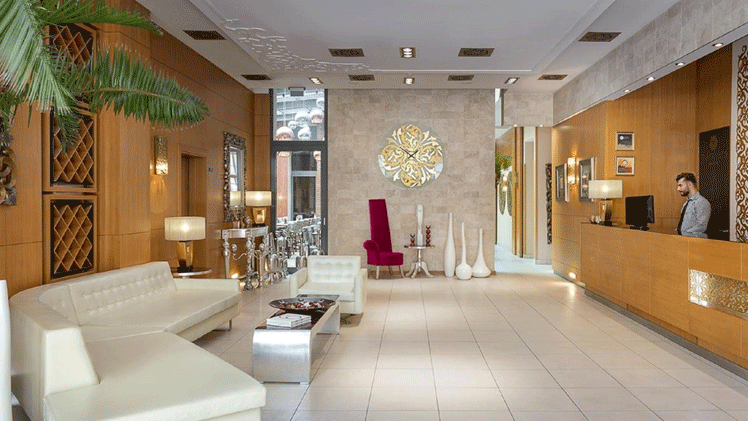
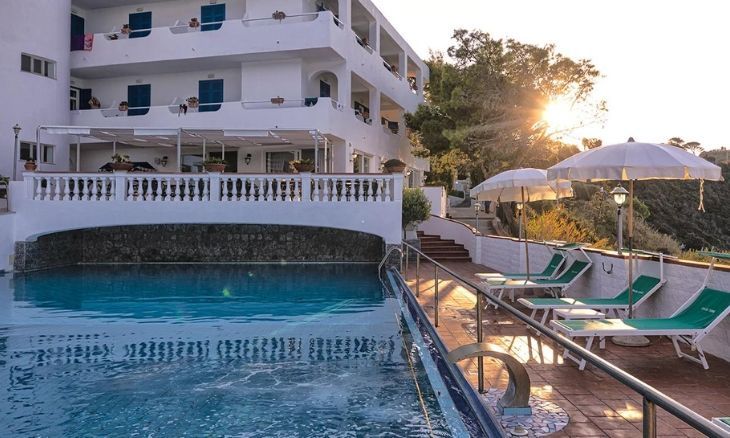
Indulge in premium accommodation options that offer exceptional service, world-class amenities, and exquisite dining experiences. Luxury hotels provide personalized attention, sophisticated design, and exclusive facilities that transform your stay into a memorable journey. From five-star city hotels to boutique resorts in exotic locations, these properties prioritize guest comfort and satisfaction while offering unique local experiences and impeccable hospitality standards.

Hotel

Find comfortable and affordable lodging options that don't compromise on quality or experience. Budget hotels, hostels, and guesthouses offer excellent value for money while providing clean, safe accommodations in convenient locations. Many budget options feature communal spaces that encourage social interaction, local recommendations from knowledgeable staff, and authentic experiences that allow travelers to stretch their budget further while exploring new destinations.

Join our newsletter
Subscribe to see secret deals prices drop the moment you sign up!

No ads. No trails. No commitments